Wairau Māori Art Gallery
Client: Wairau Māori Art Gallery | Collaborators: Wildlabs |
The first dedicated public Māori art gallery in Aotearoa New Zealand
Located in Whangārei, the gallery’s purpose is to elevate Māori art, artists and curators. The official launch in February 2022 was the result of a 20+ year stakeholder effort to bring this dream to fruition. The gallery is overseen by the Wairau Māori Art Gallery Board – a team of prominent Māori art world figures.
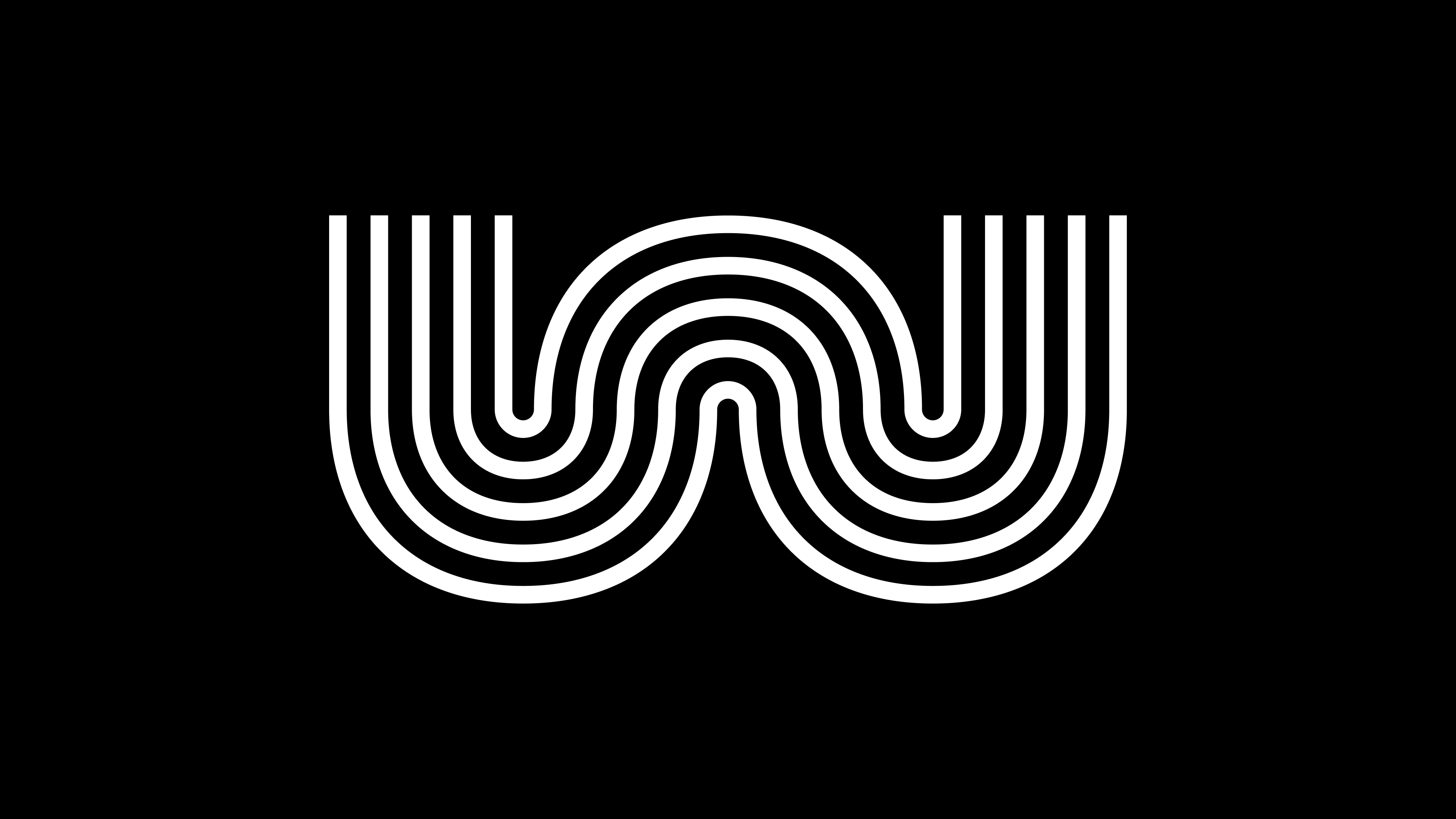
A wordmark symbolising an abundant flow of cultural expression
The name Wairau is a translation of Hundertwasser (One Hundred Waters) and was gifted by Tā Patu Hohepa. It speaks to the importance of the surrounding harbour and waterways for mana whenua, and the notion of multiple waters has deep symbolism within te ao Māori with water being the basis for all living things. It’s a contemporary name, filled with historic knowledge and narrative.
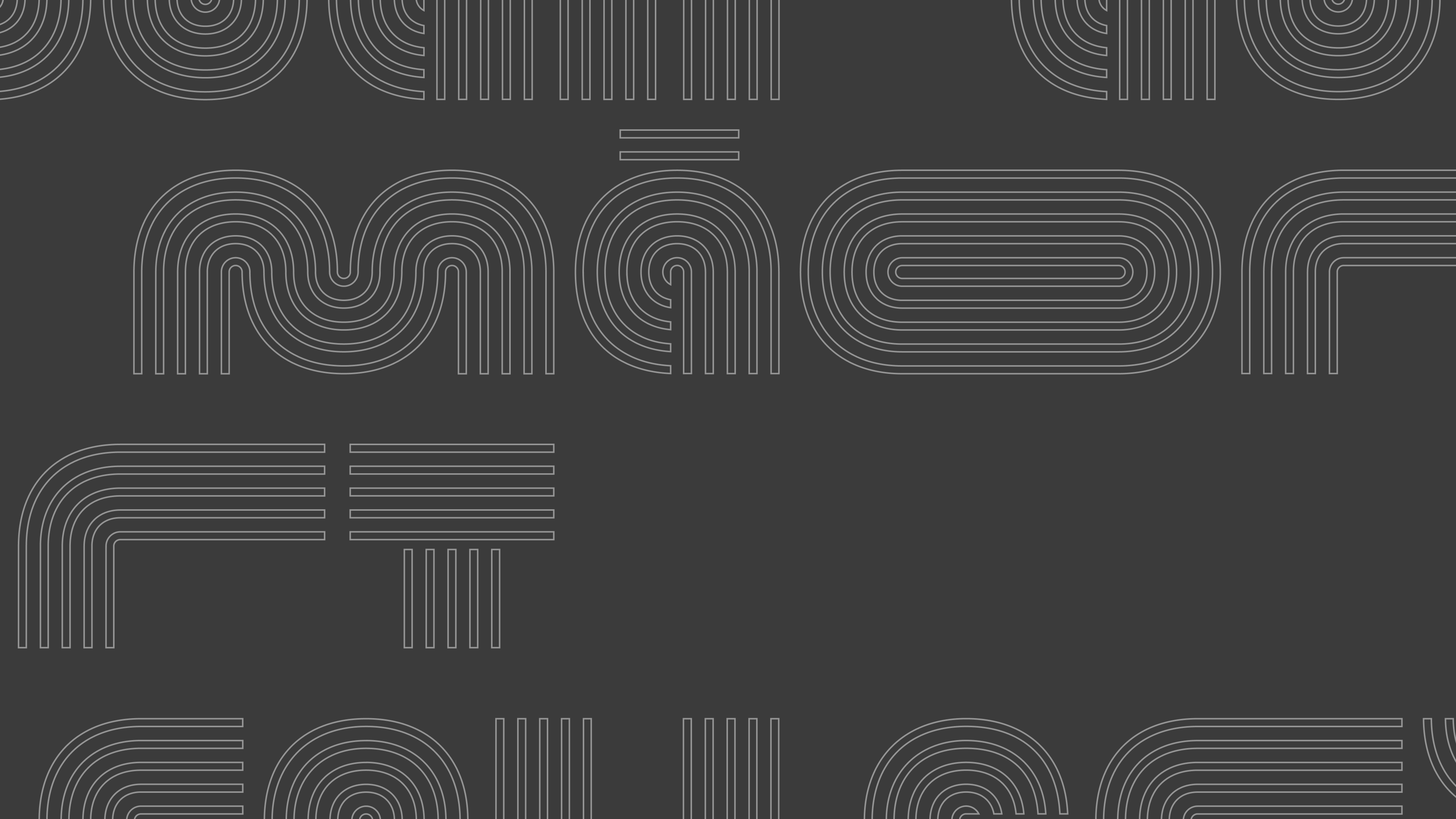
Custom lettering that mimics water, life, and cultural fluidity
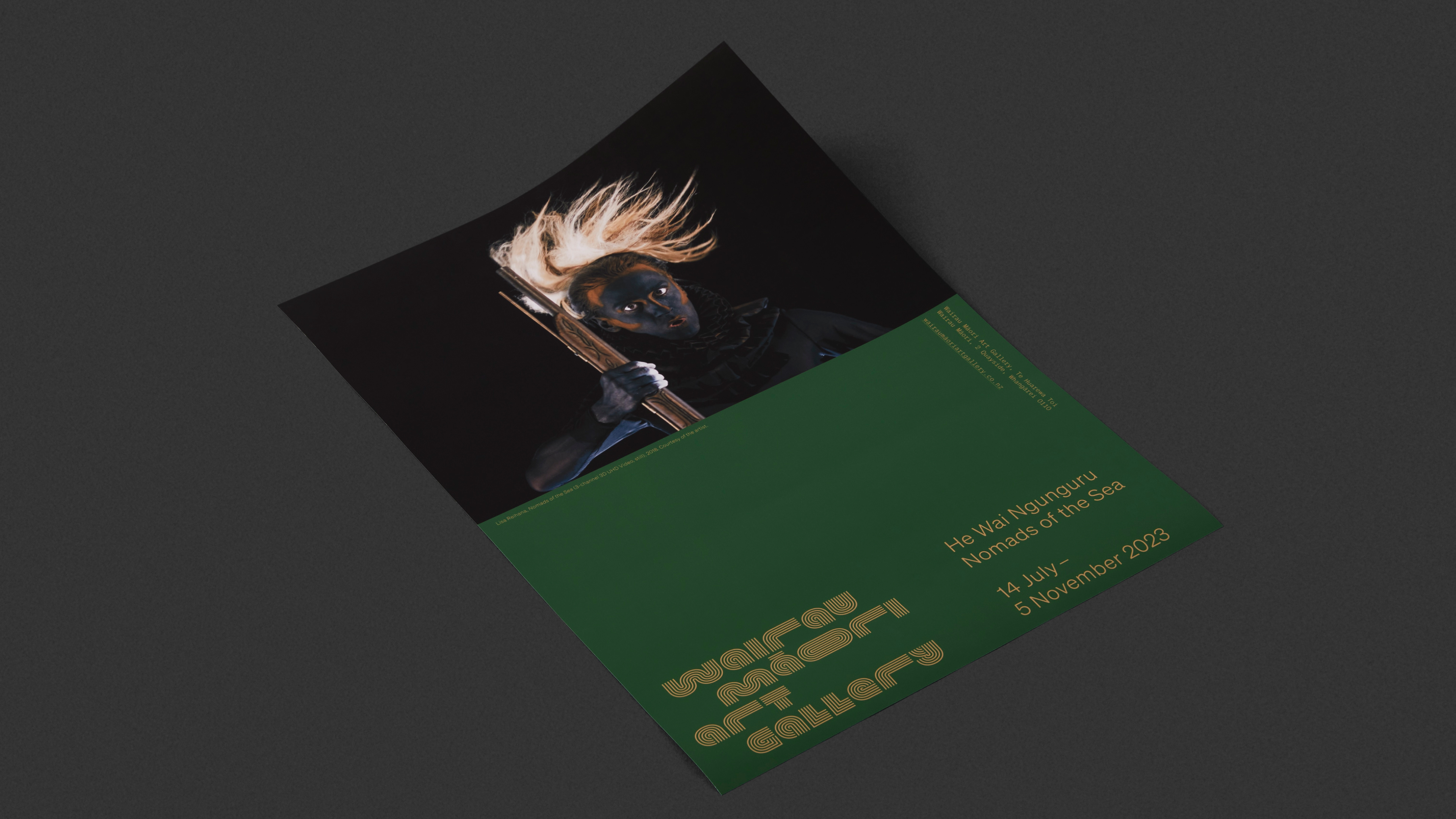
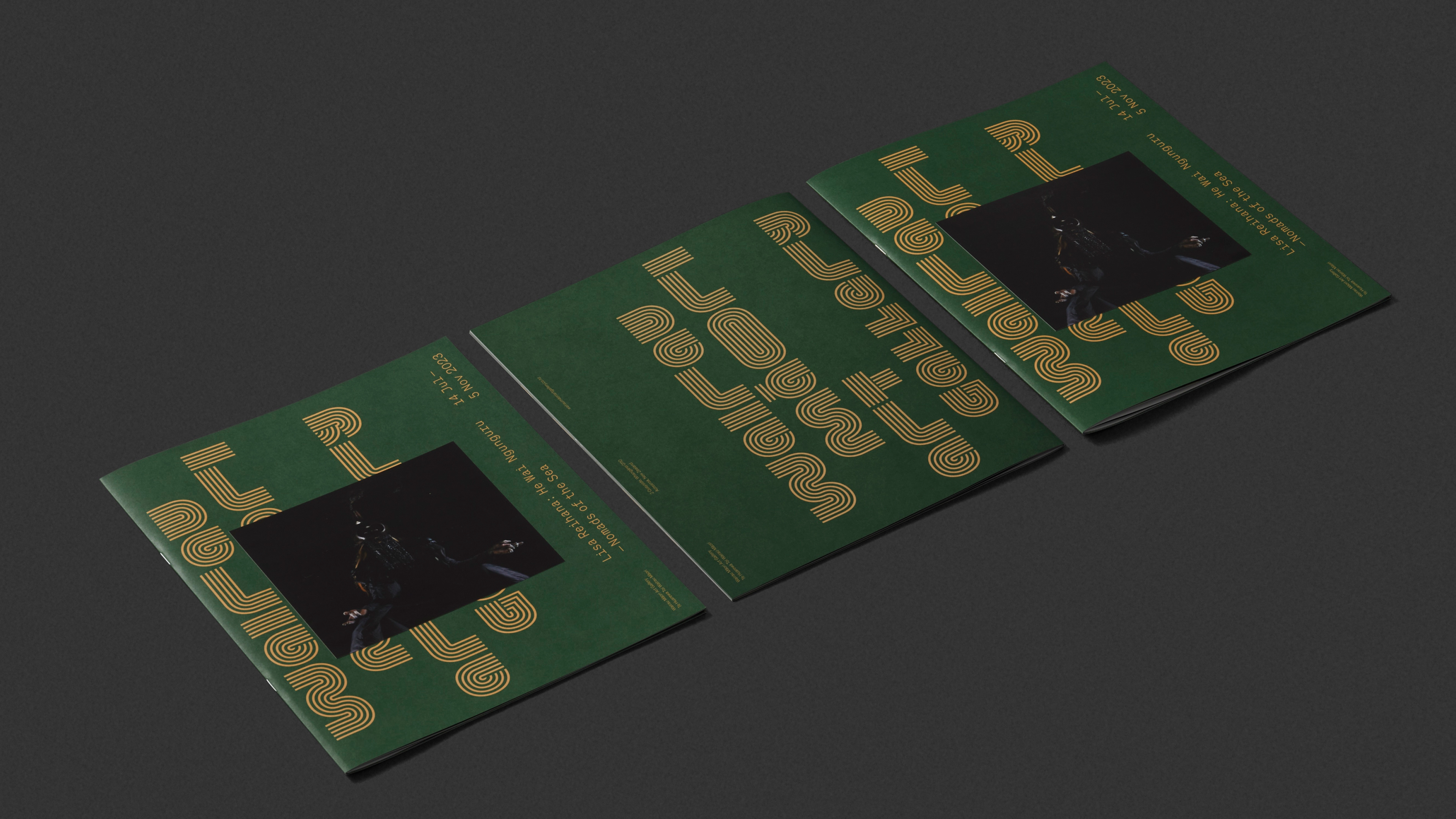
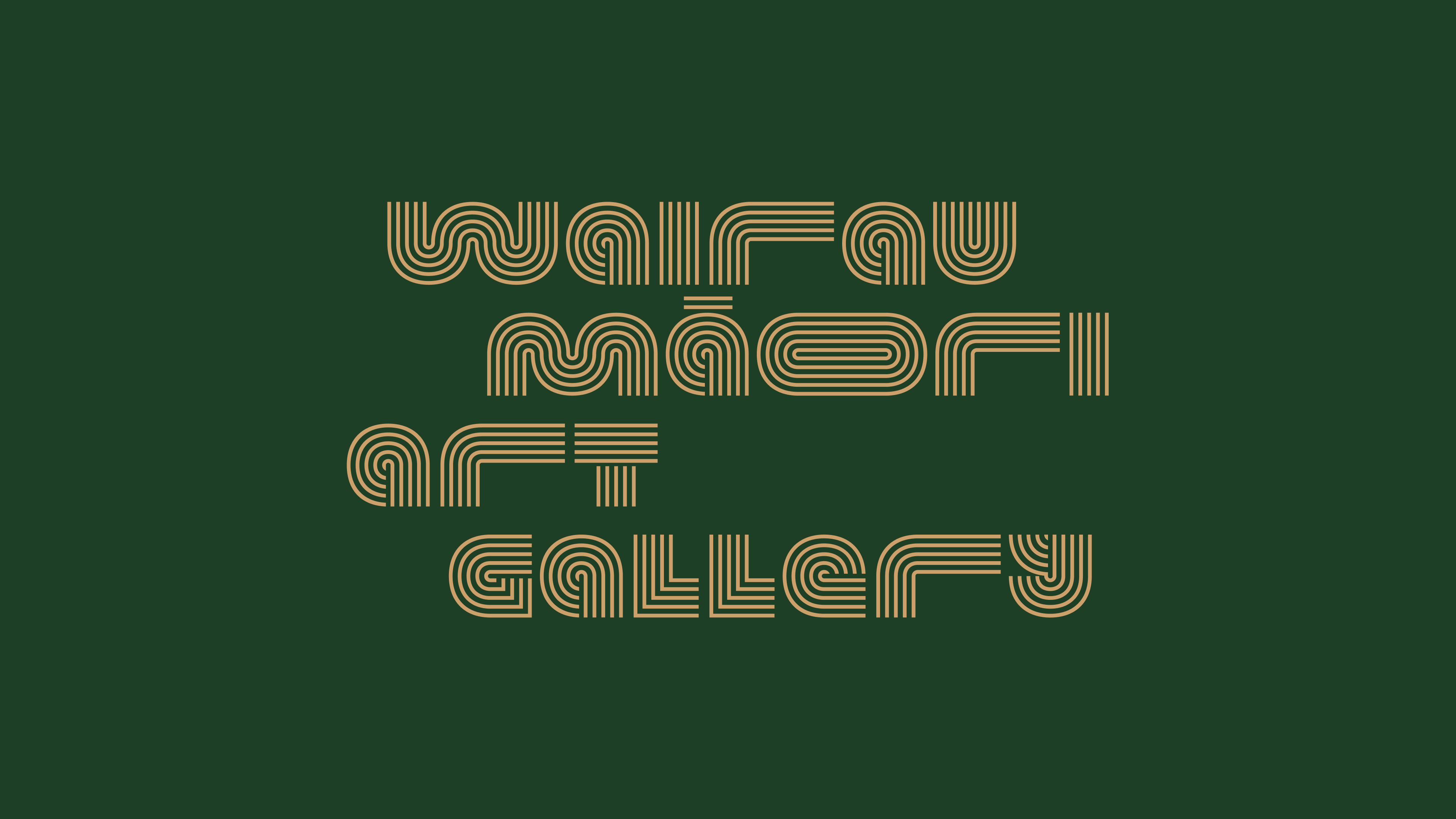
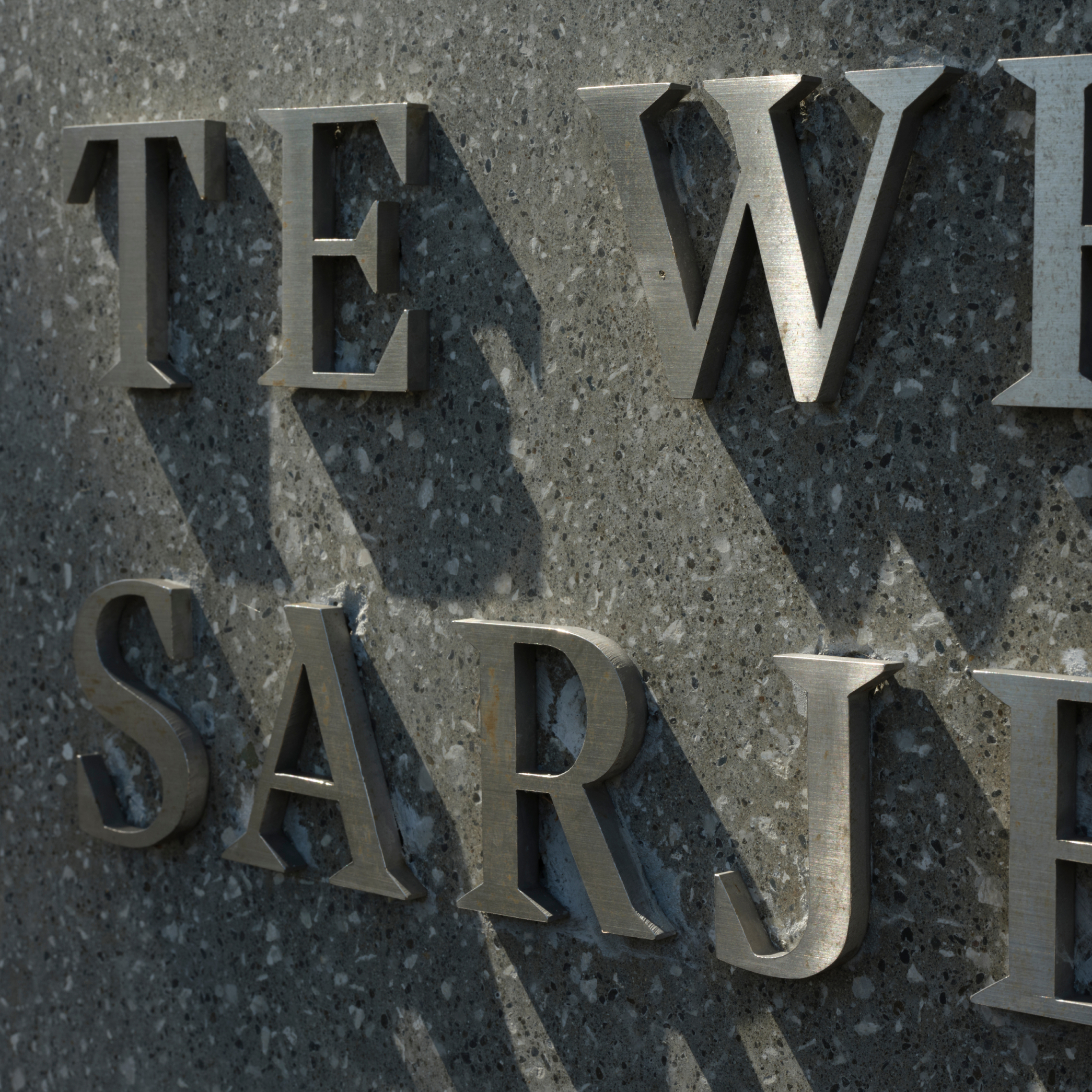
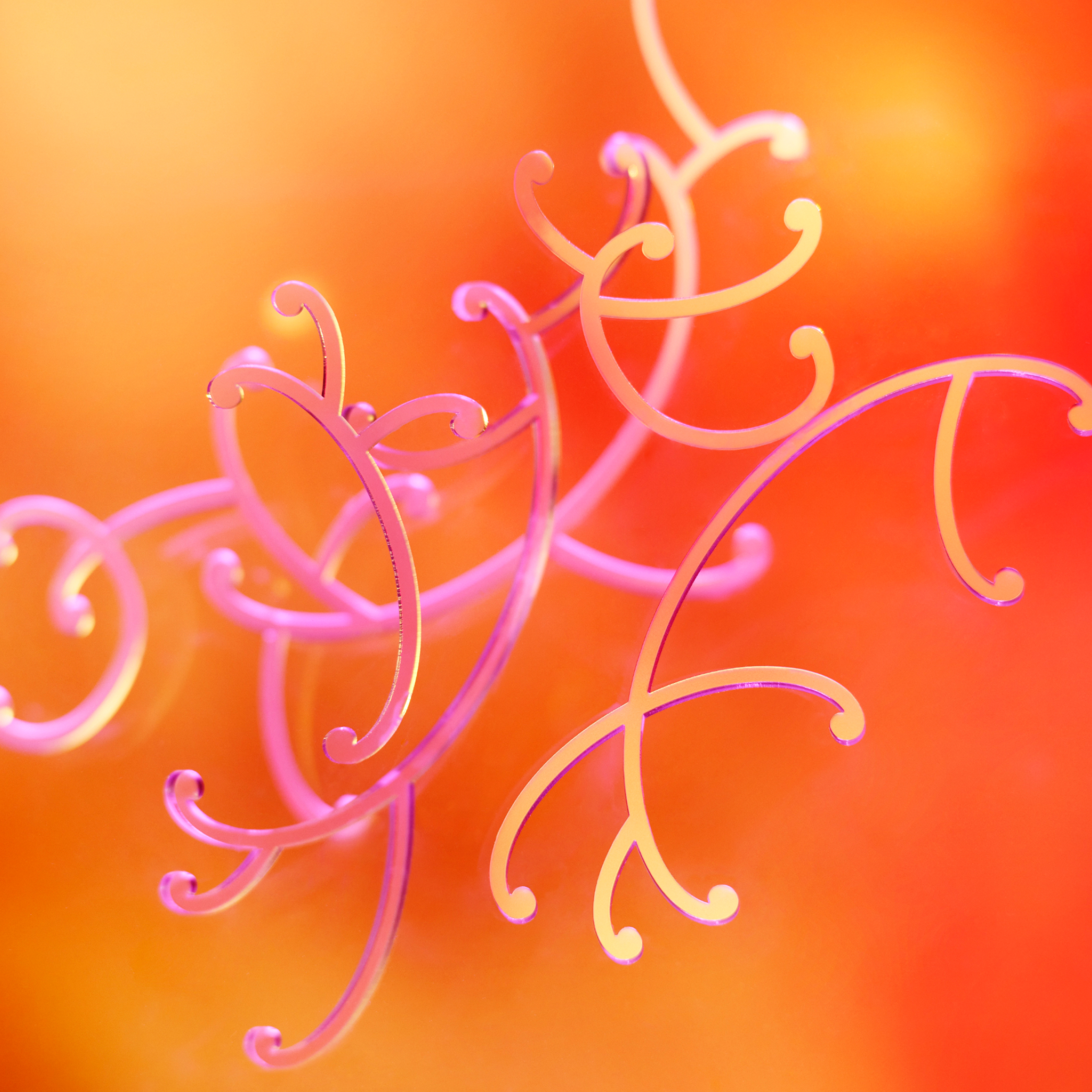
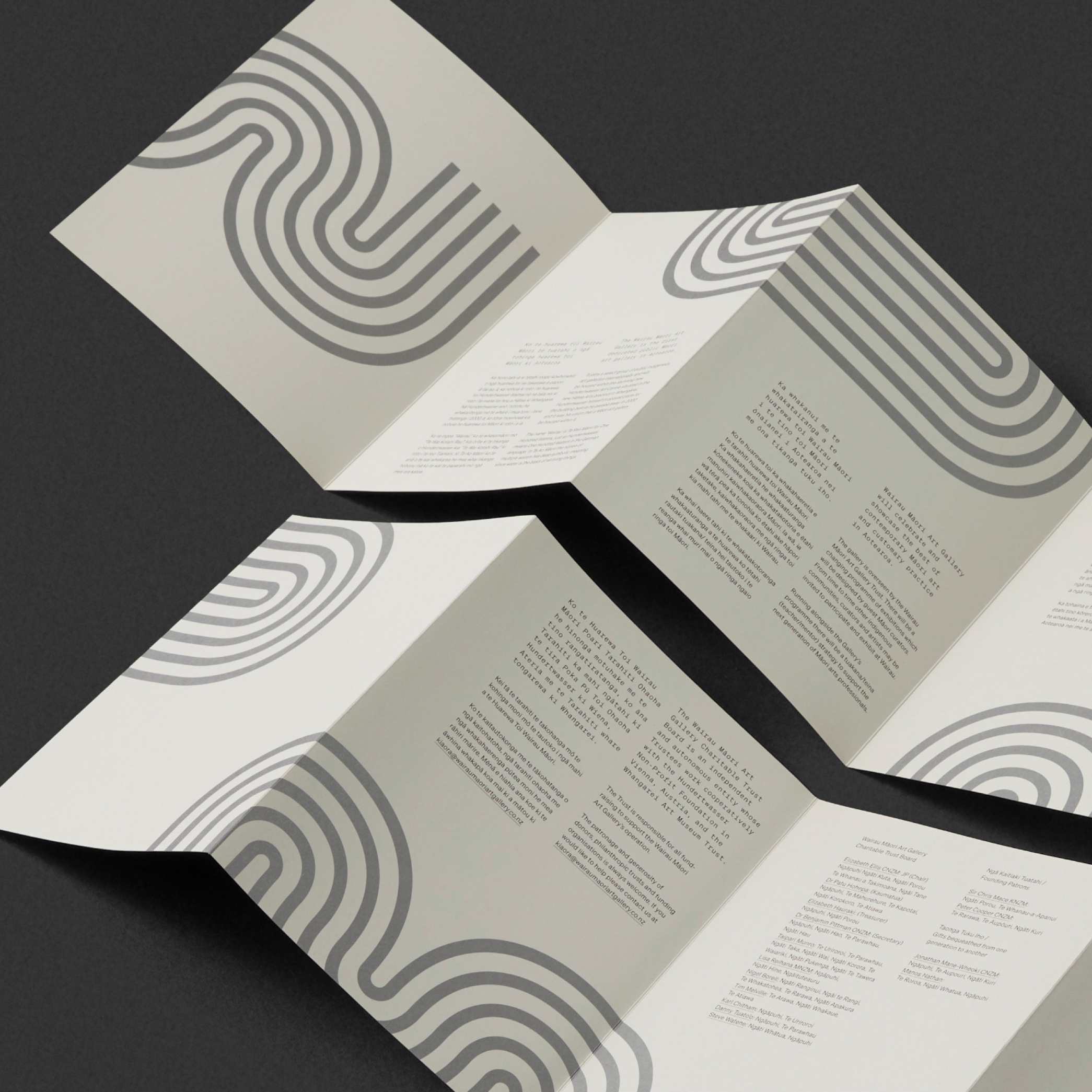
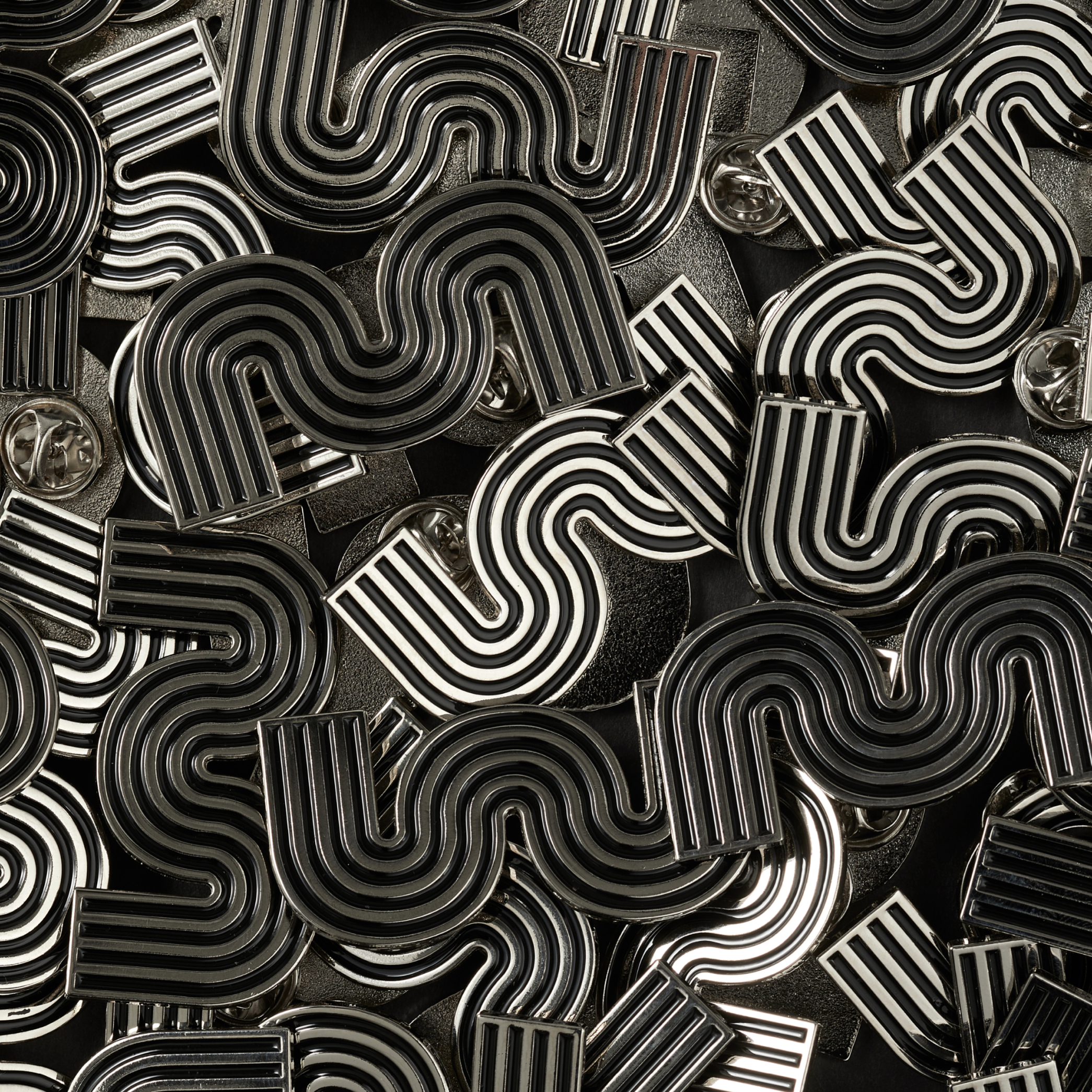
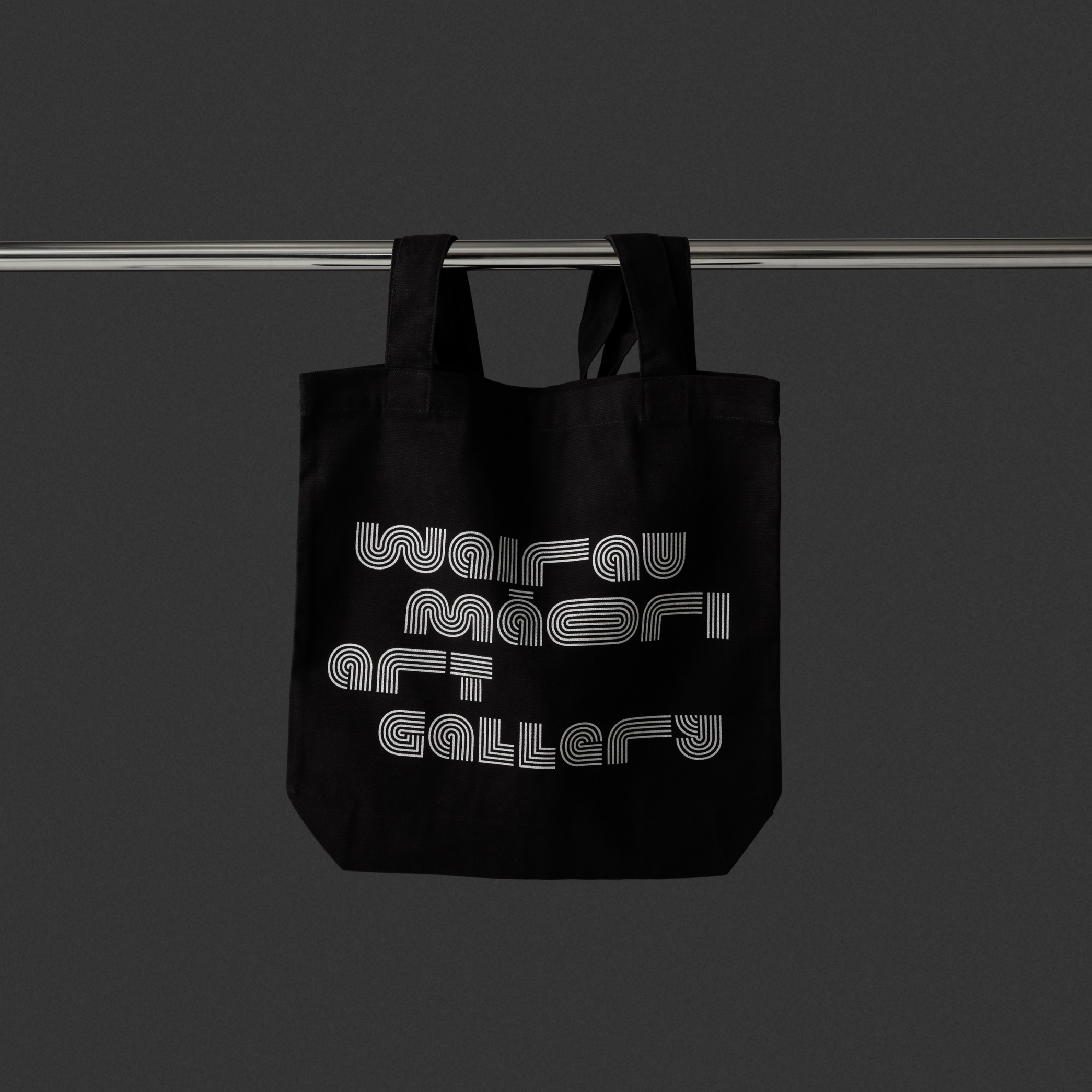
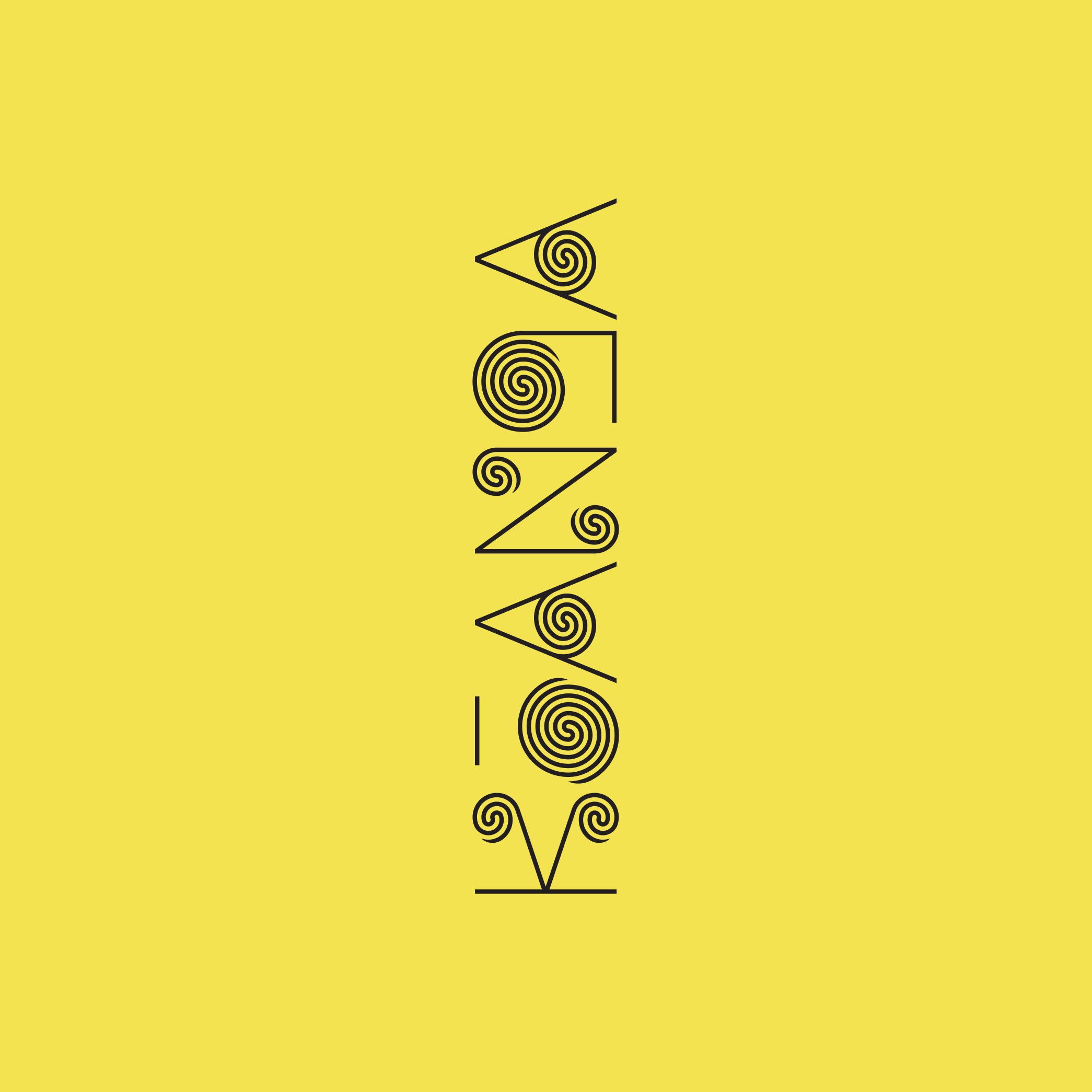
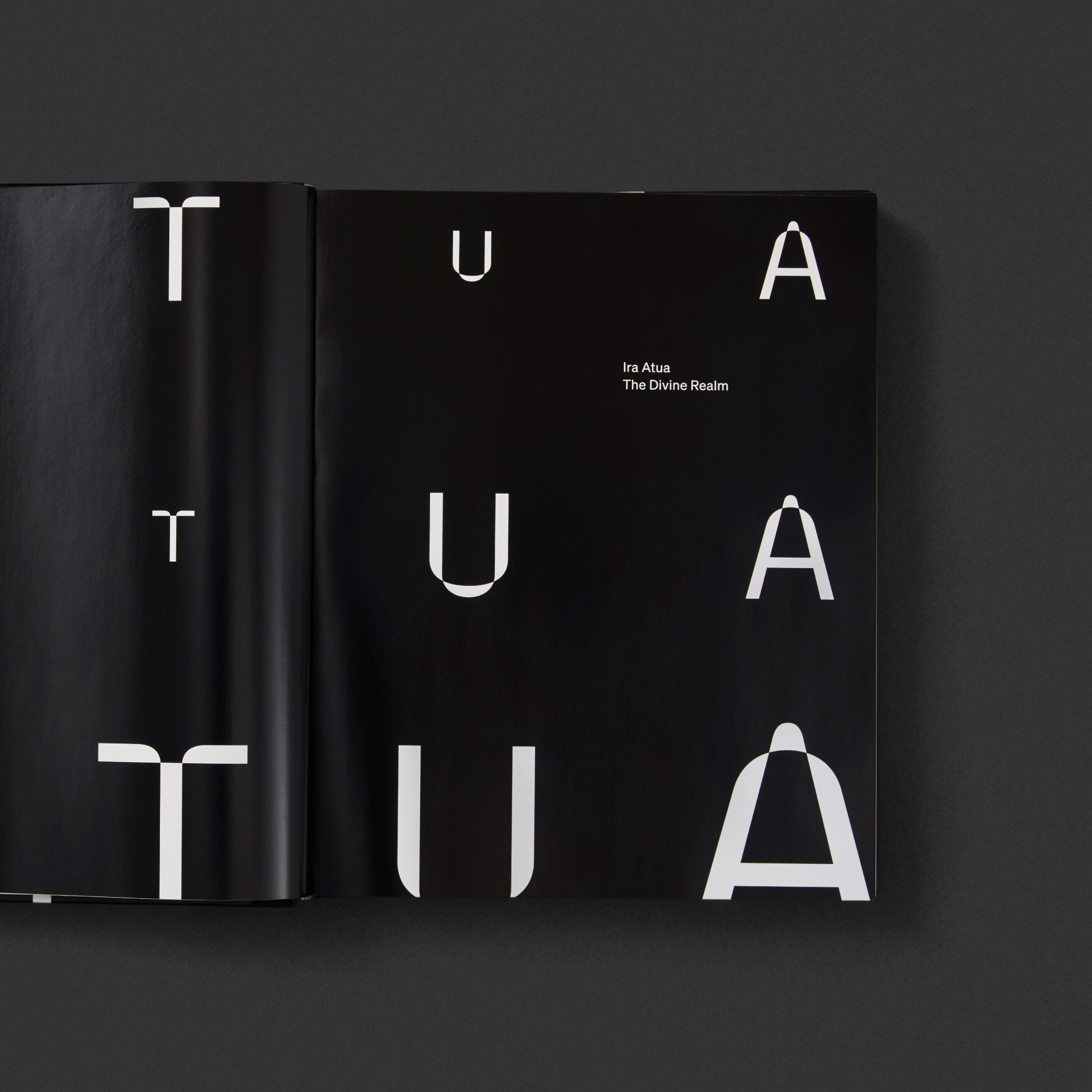
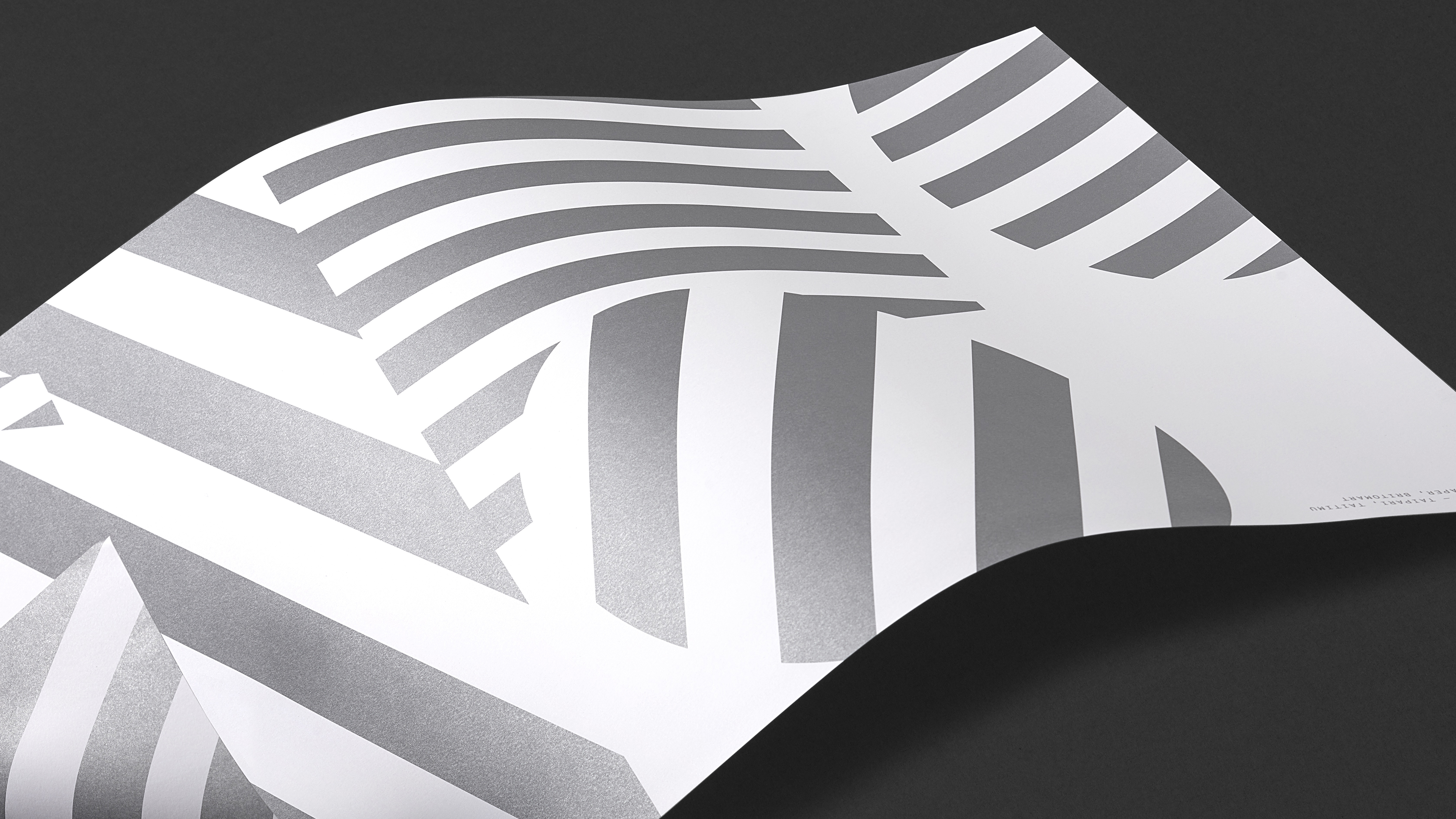
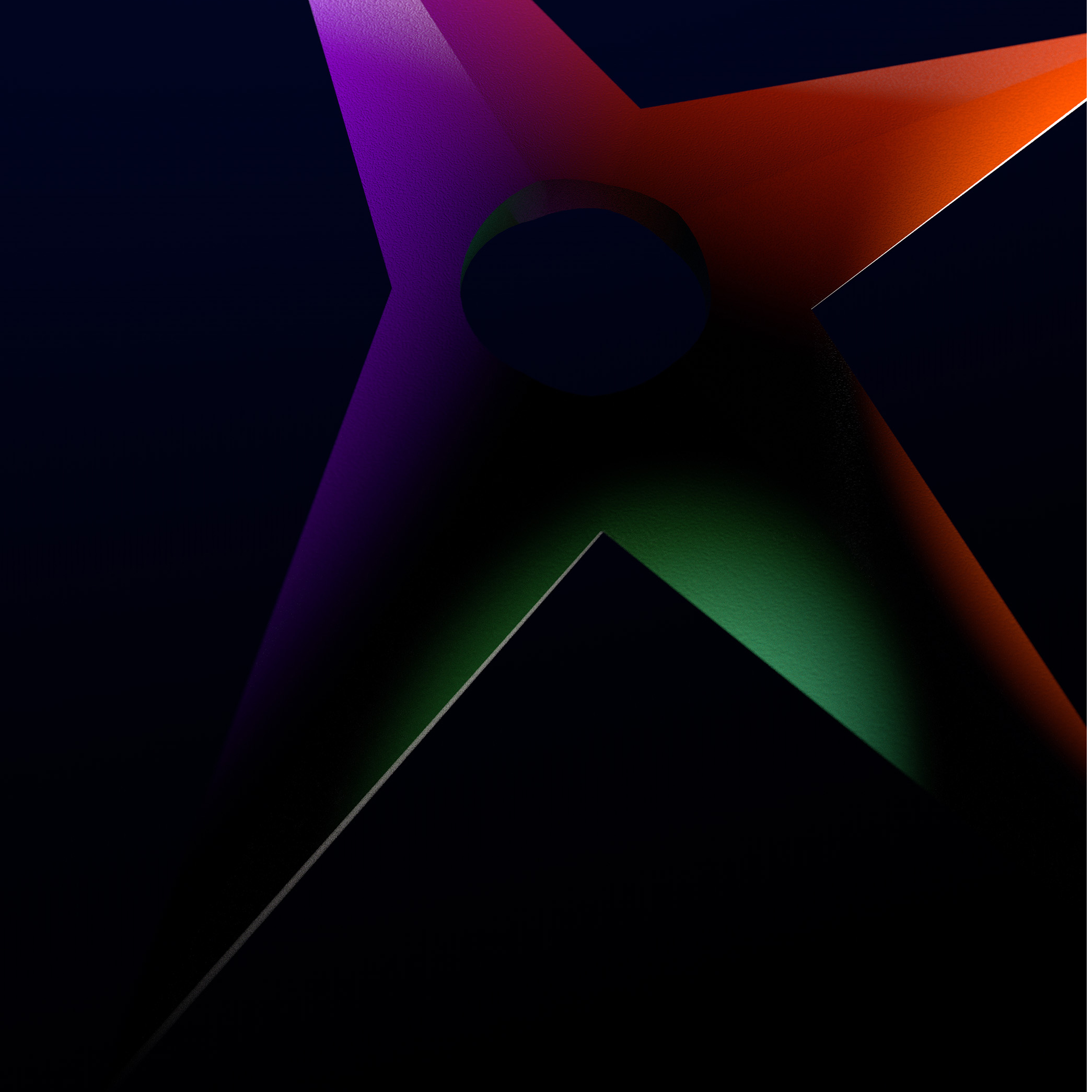
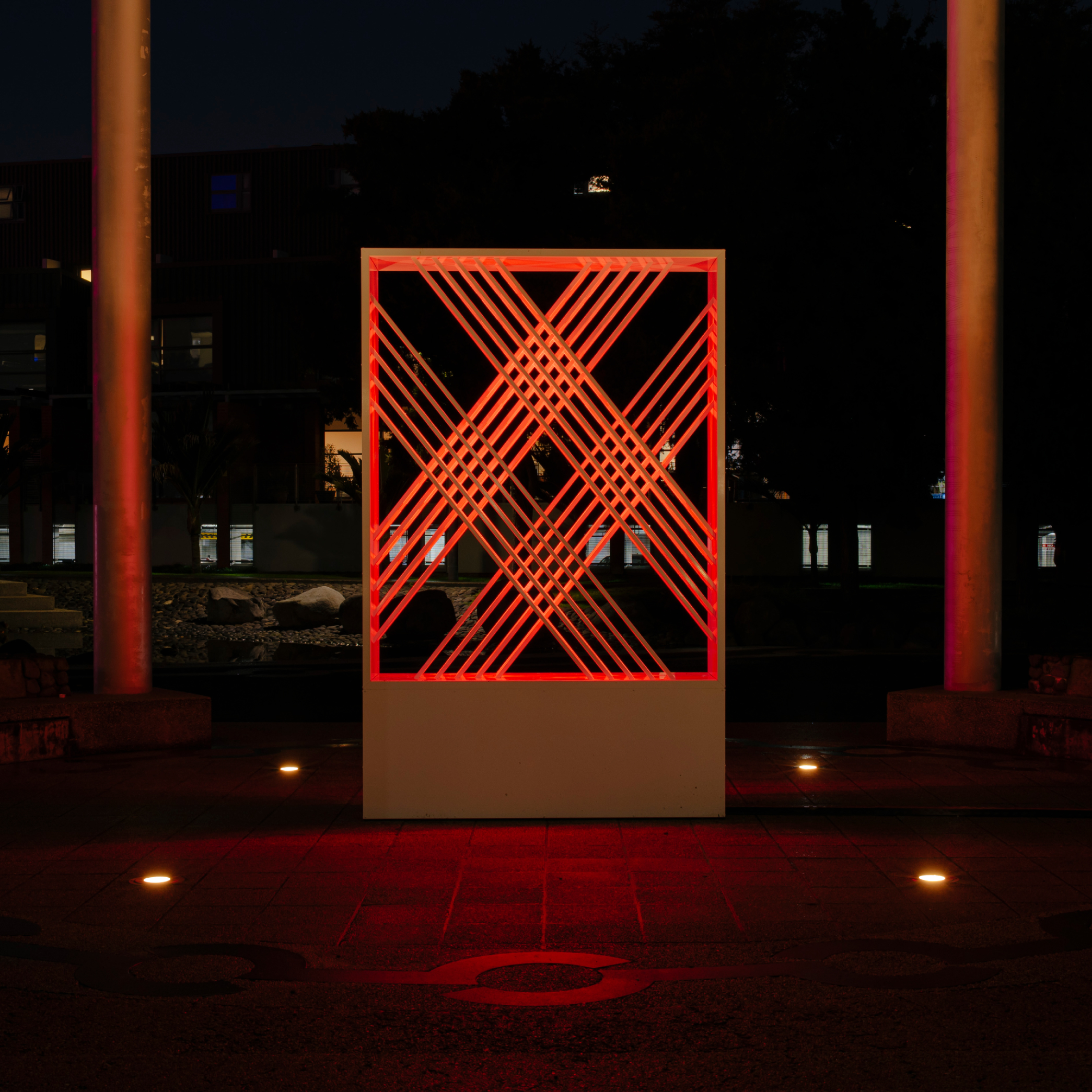
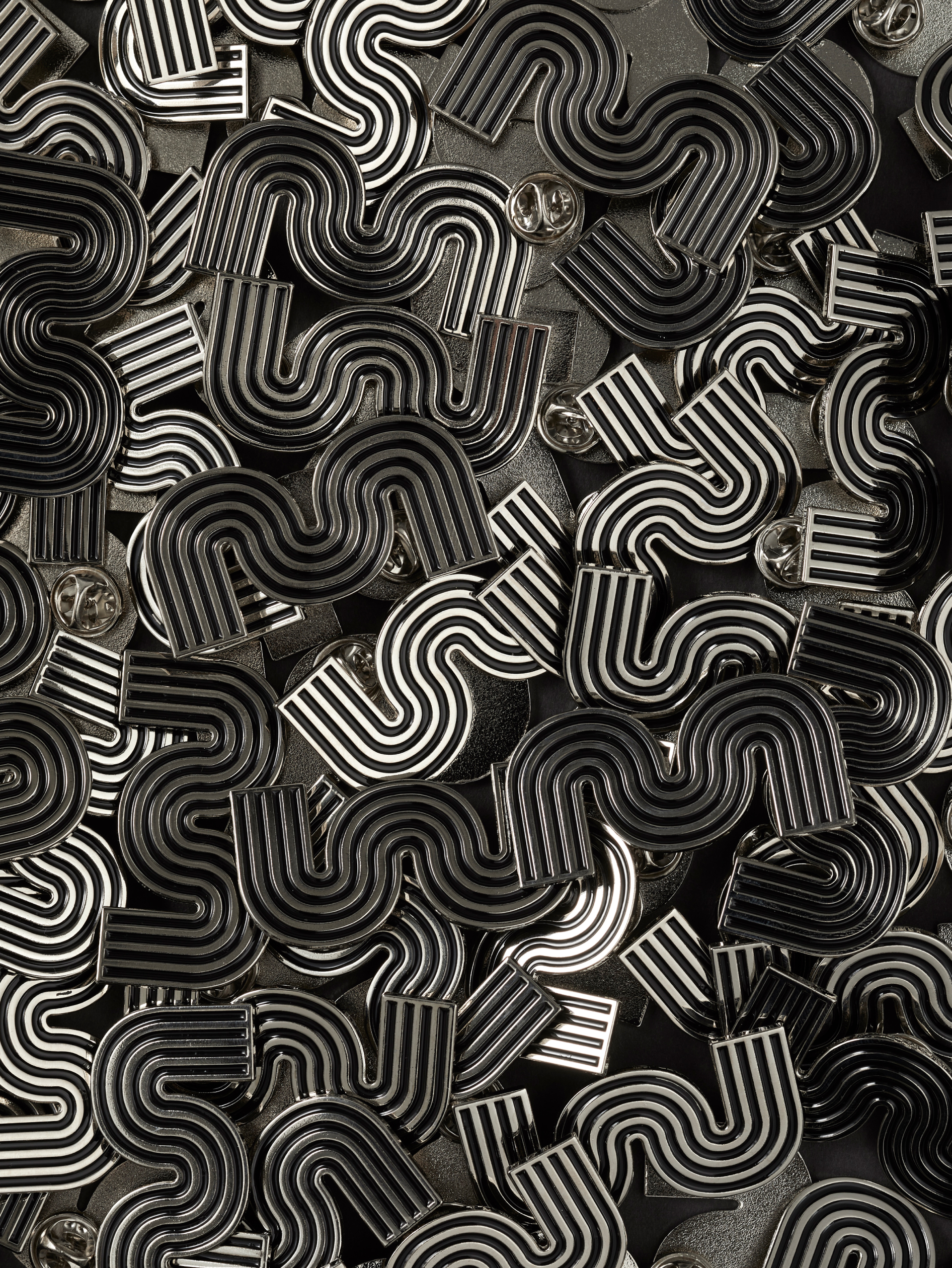
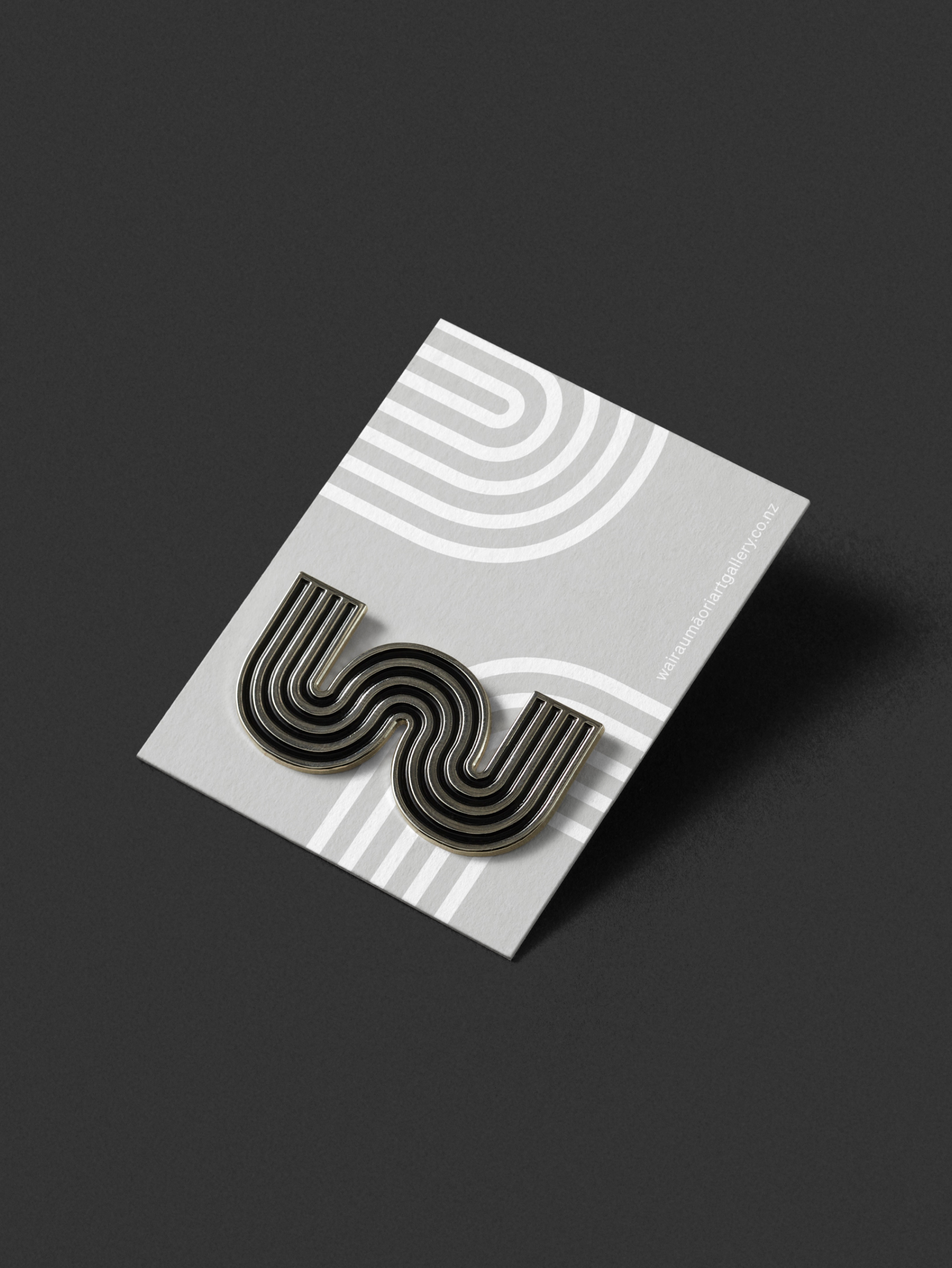
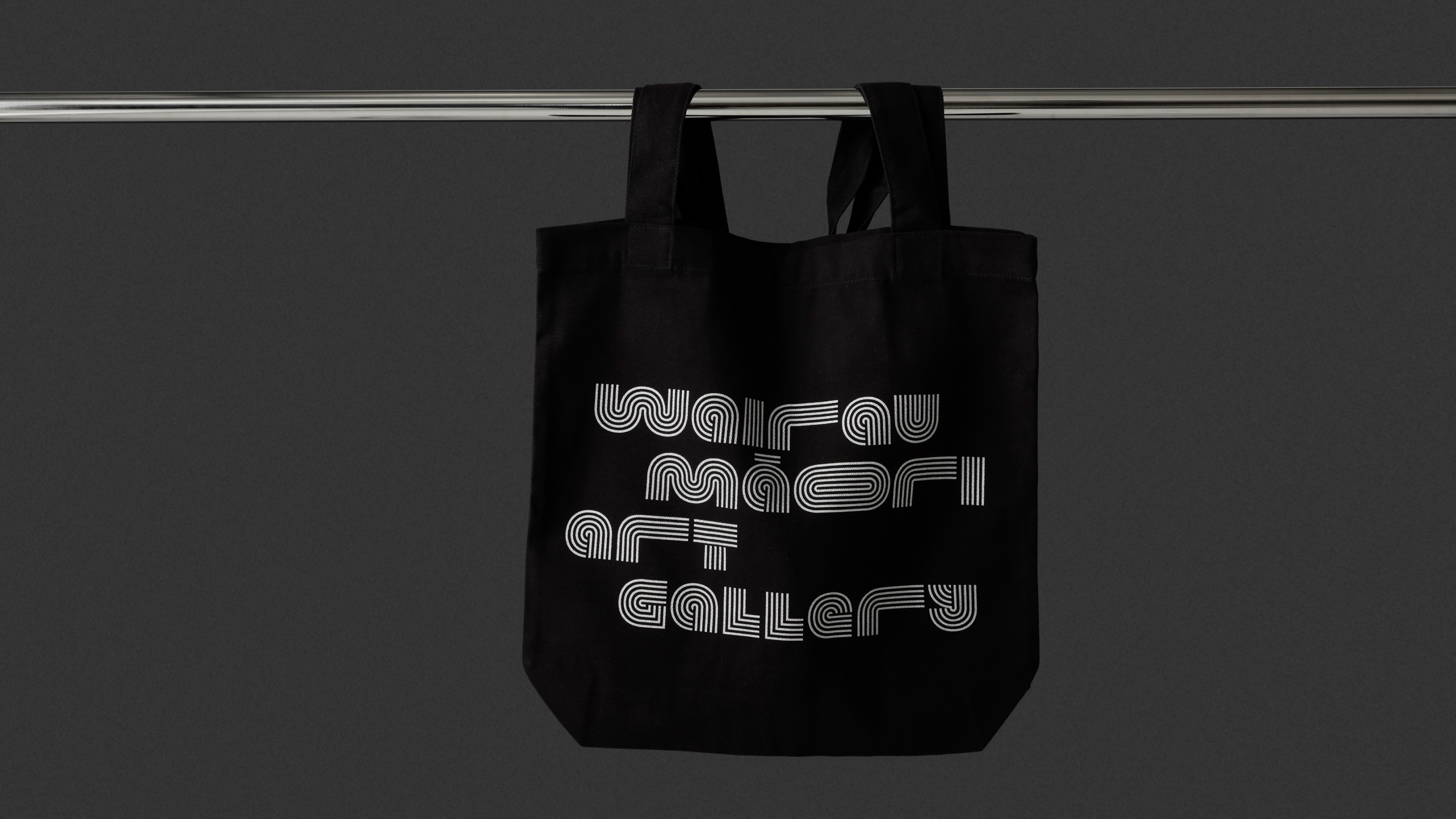
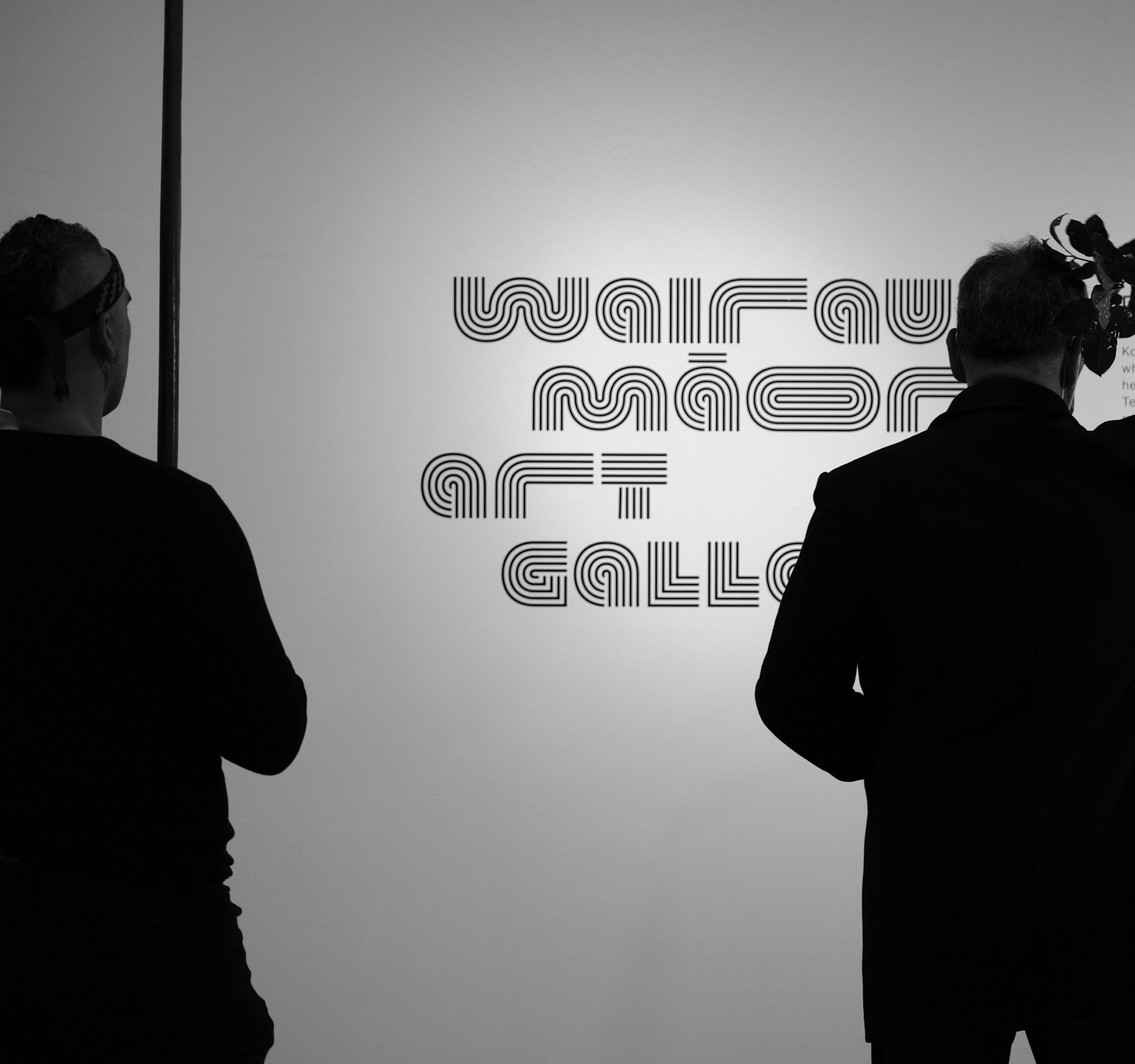
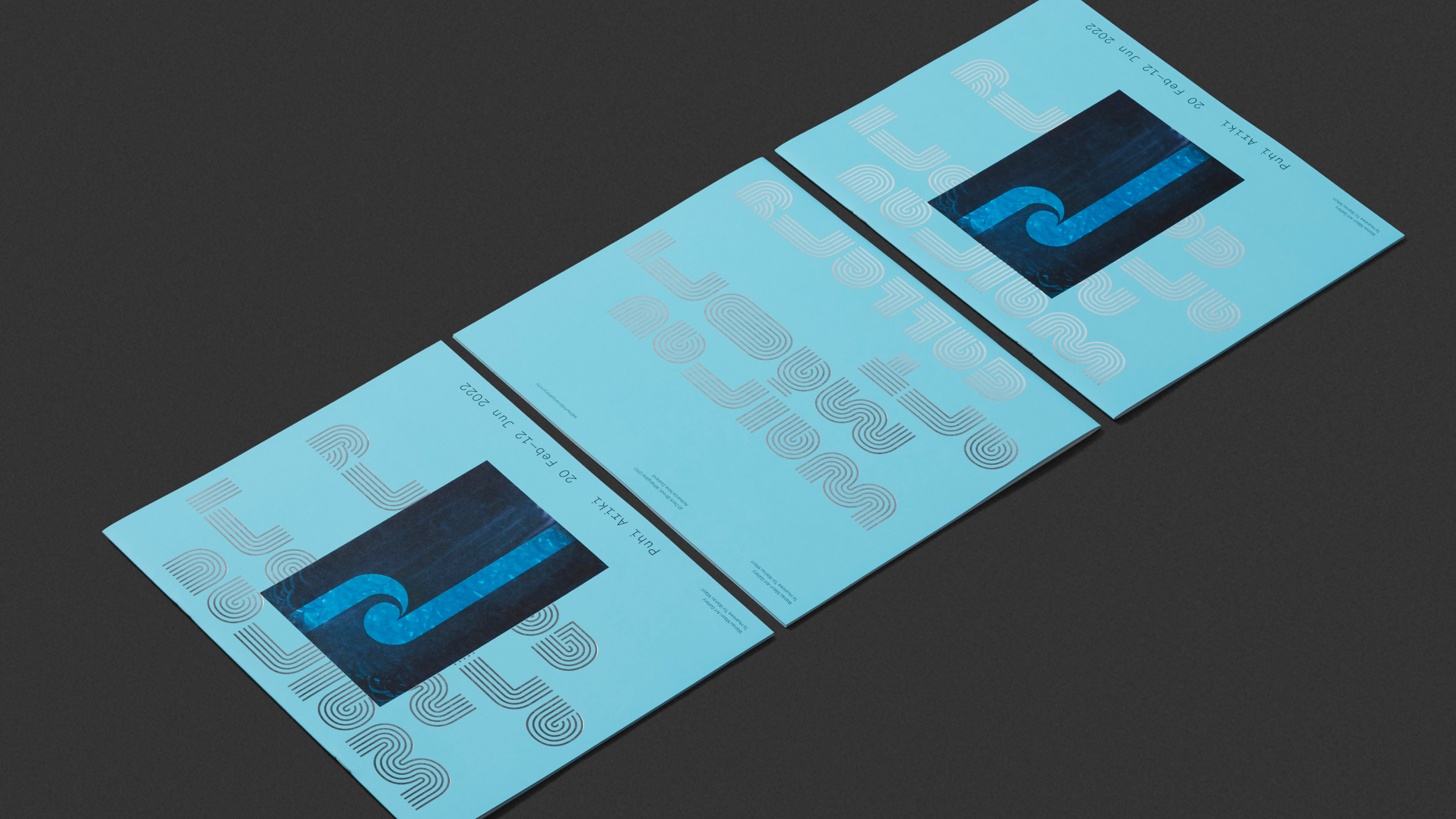
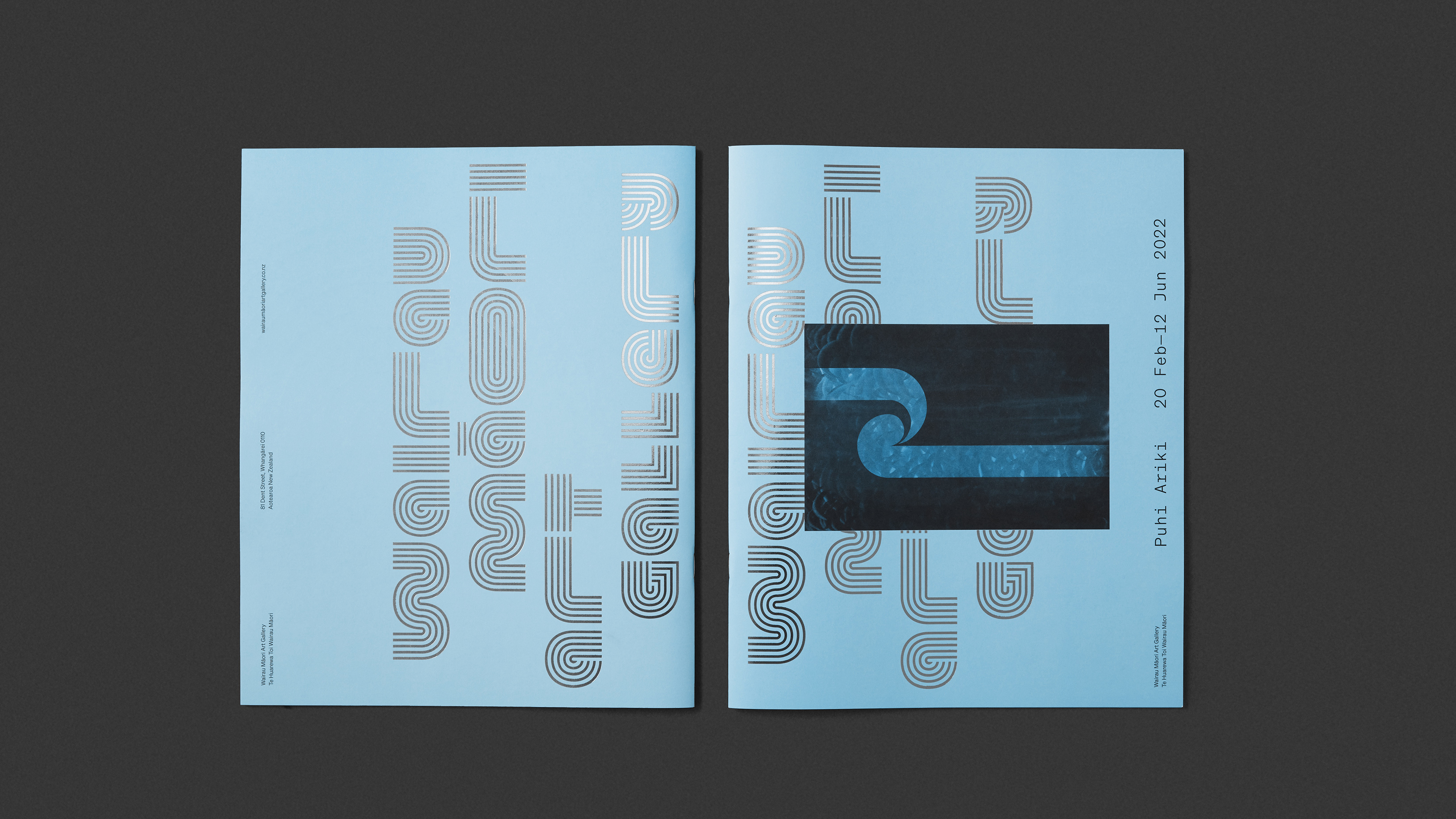
Our approach was to build on the power and concepts within this name. We created a graphic wordmark that reflects an abundant flow of cultural expression. A mark that is distinctively new, but one that speaks to the past. The custom lettering carves waterways, ripples outwards, and stretches and pulls to mimic the fluidity of culture, water and life. We embraced the gallery’s full name to create an unconventional wordmark that is both a clear description for domestic and international audiences as well as a dazzling pattern language.
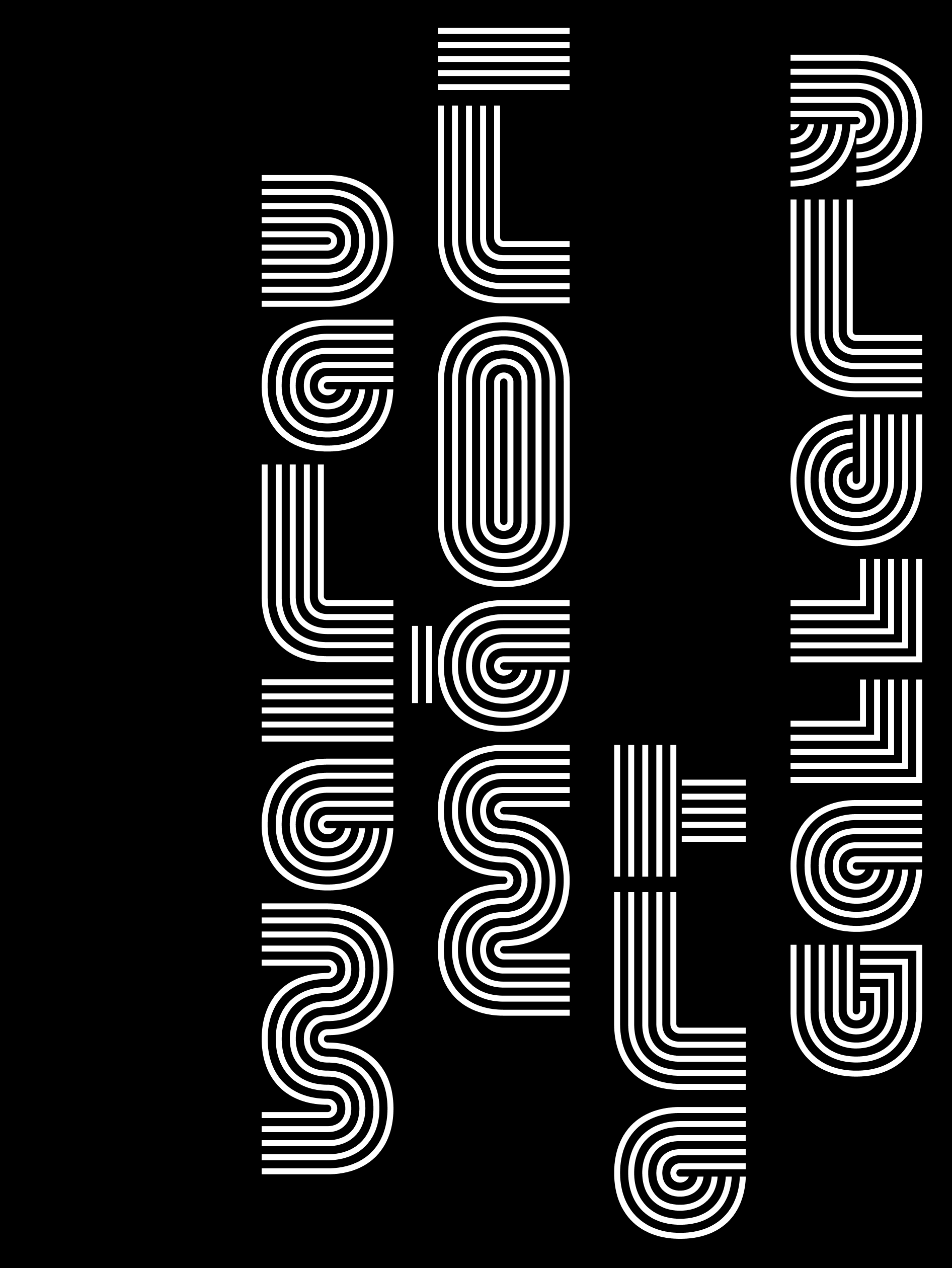
The many facets of wai
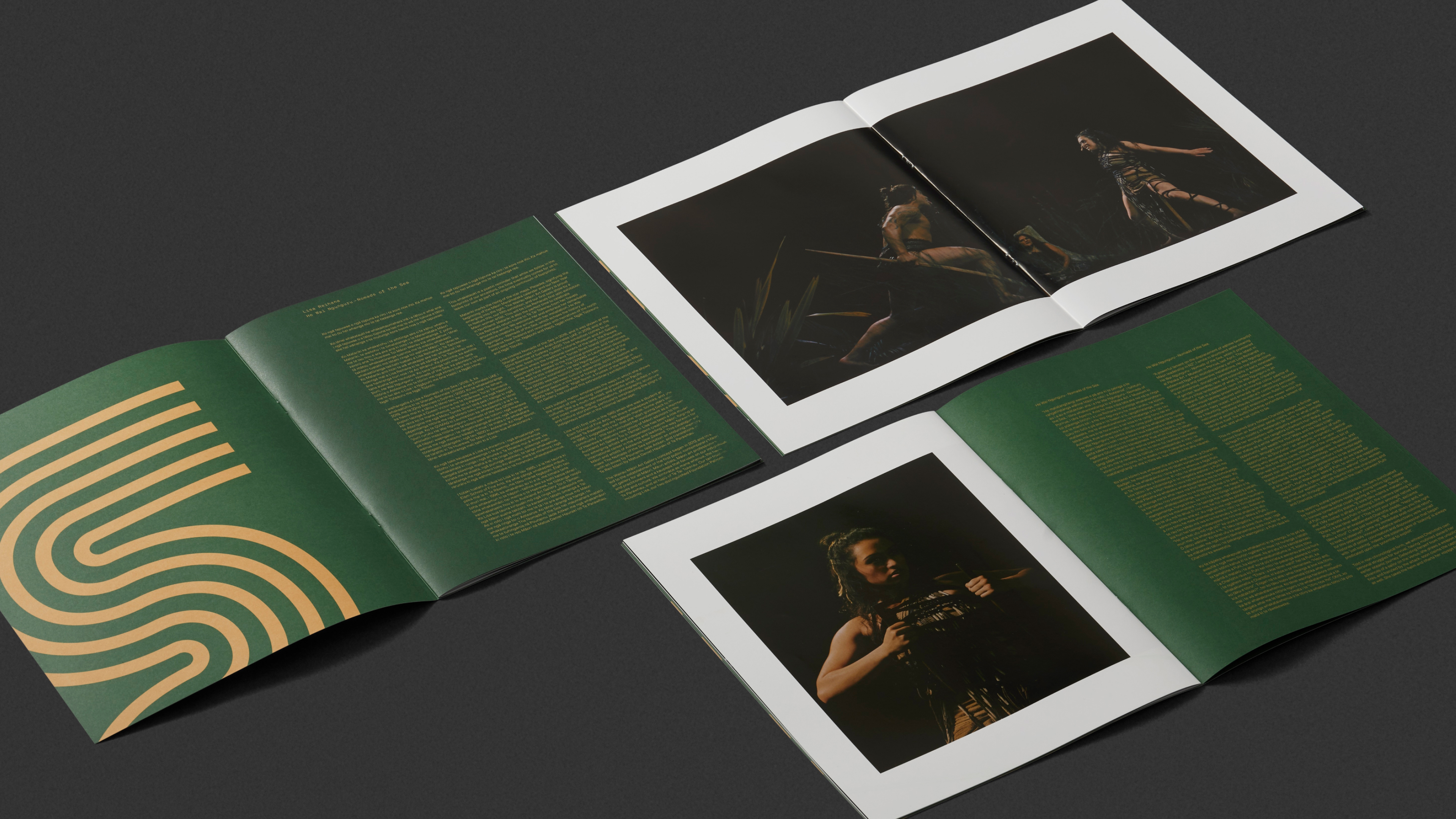
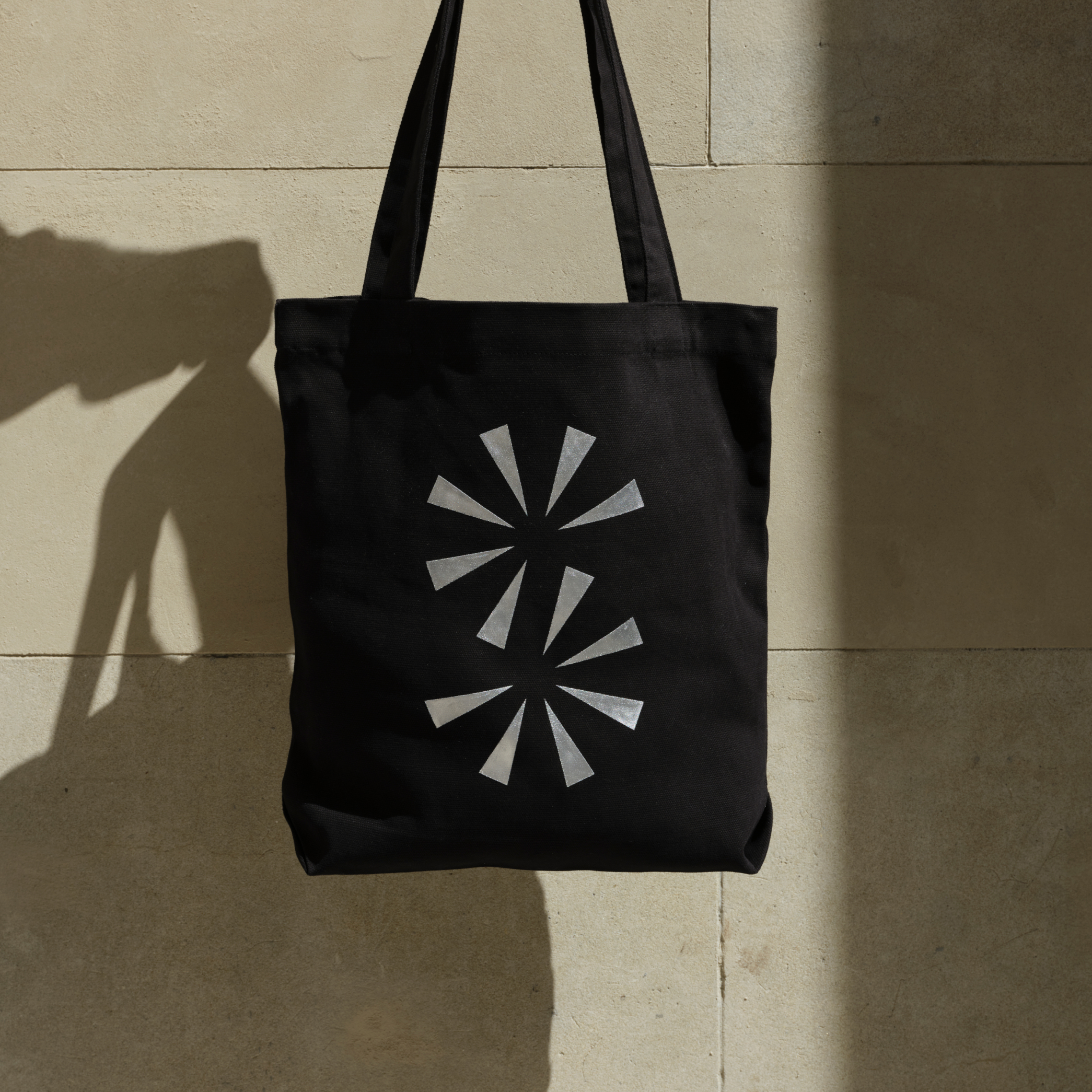
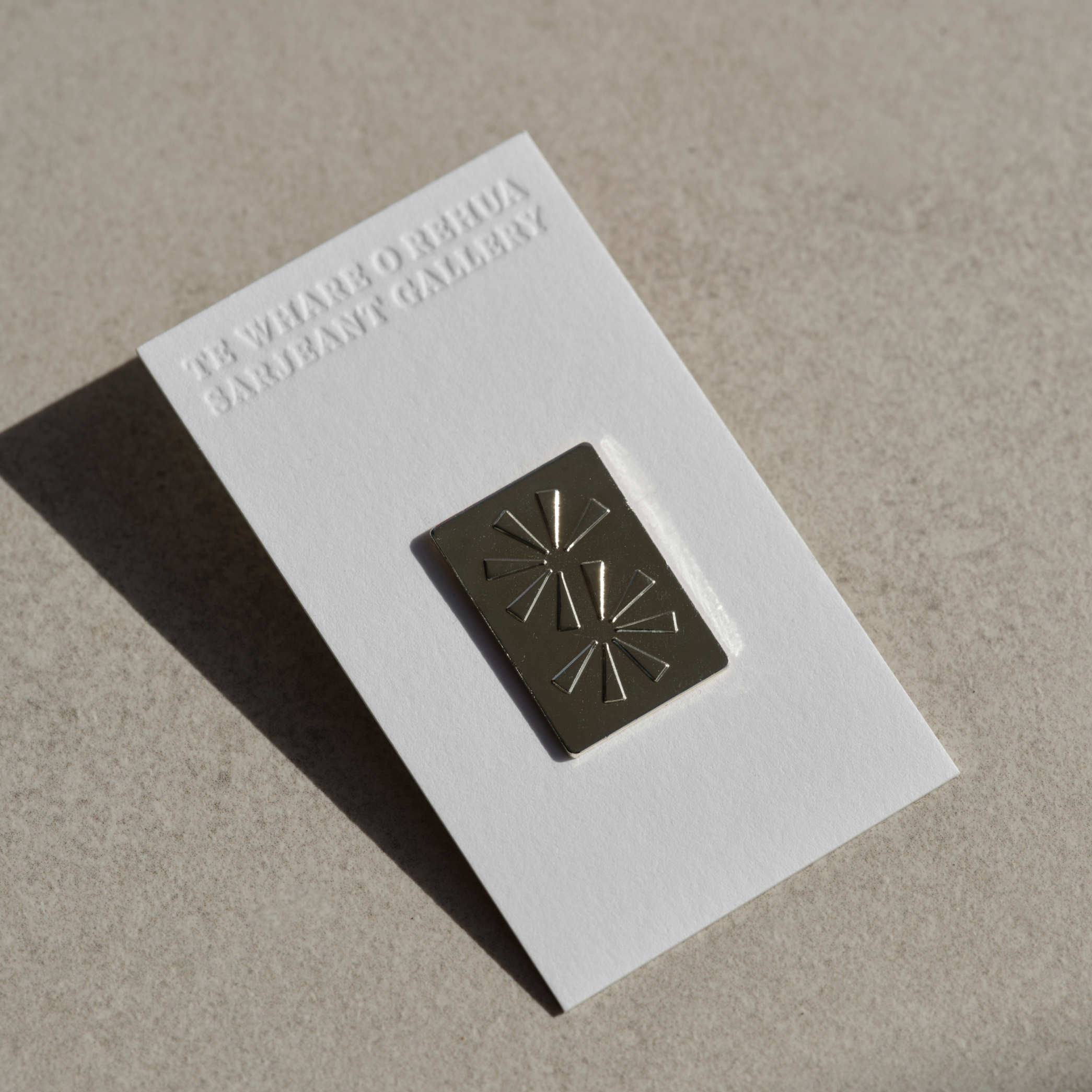
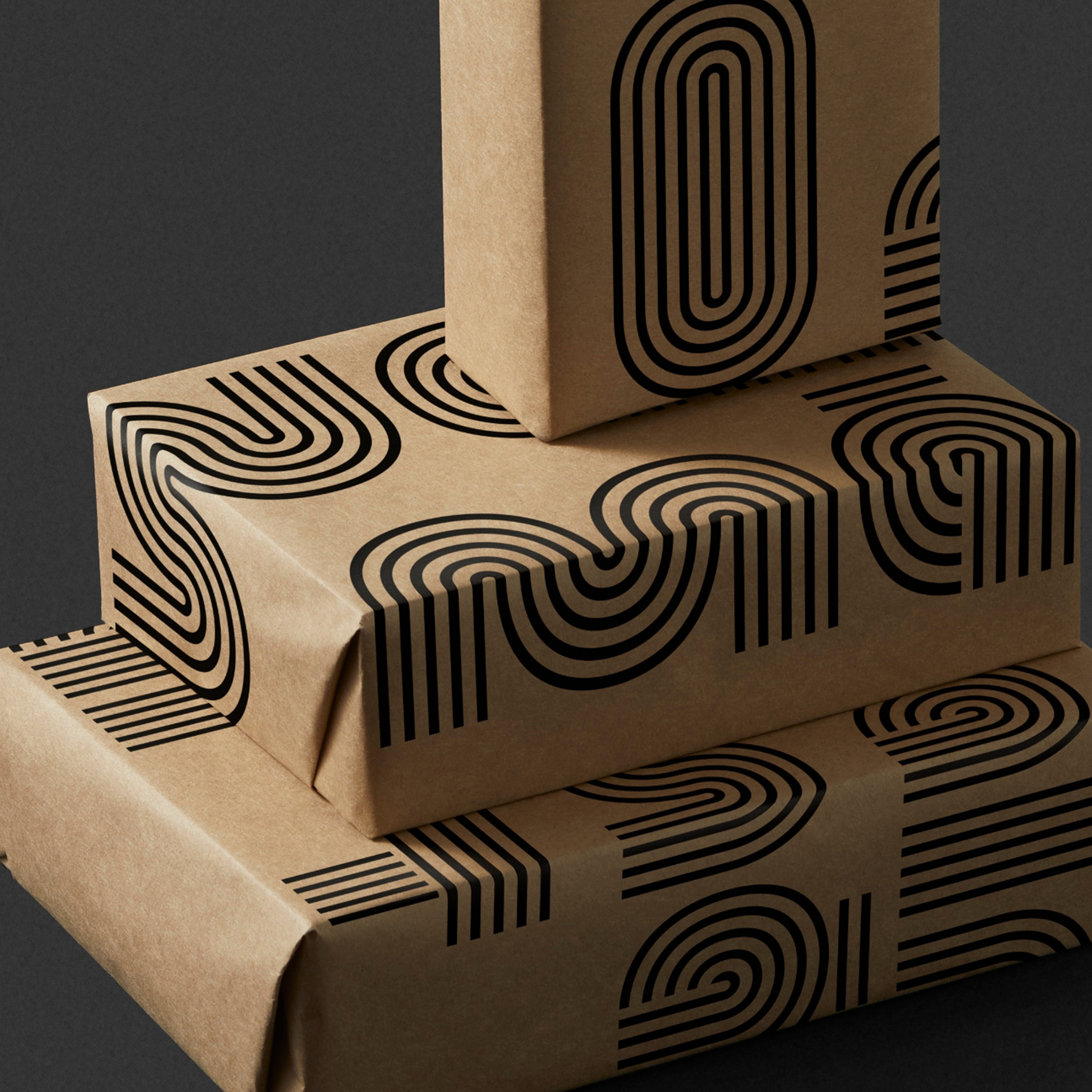
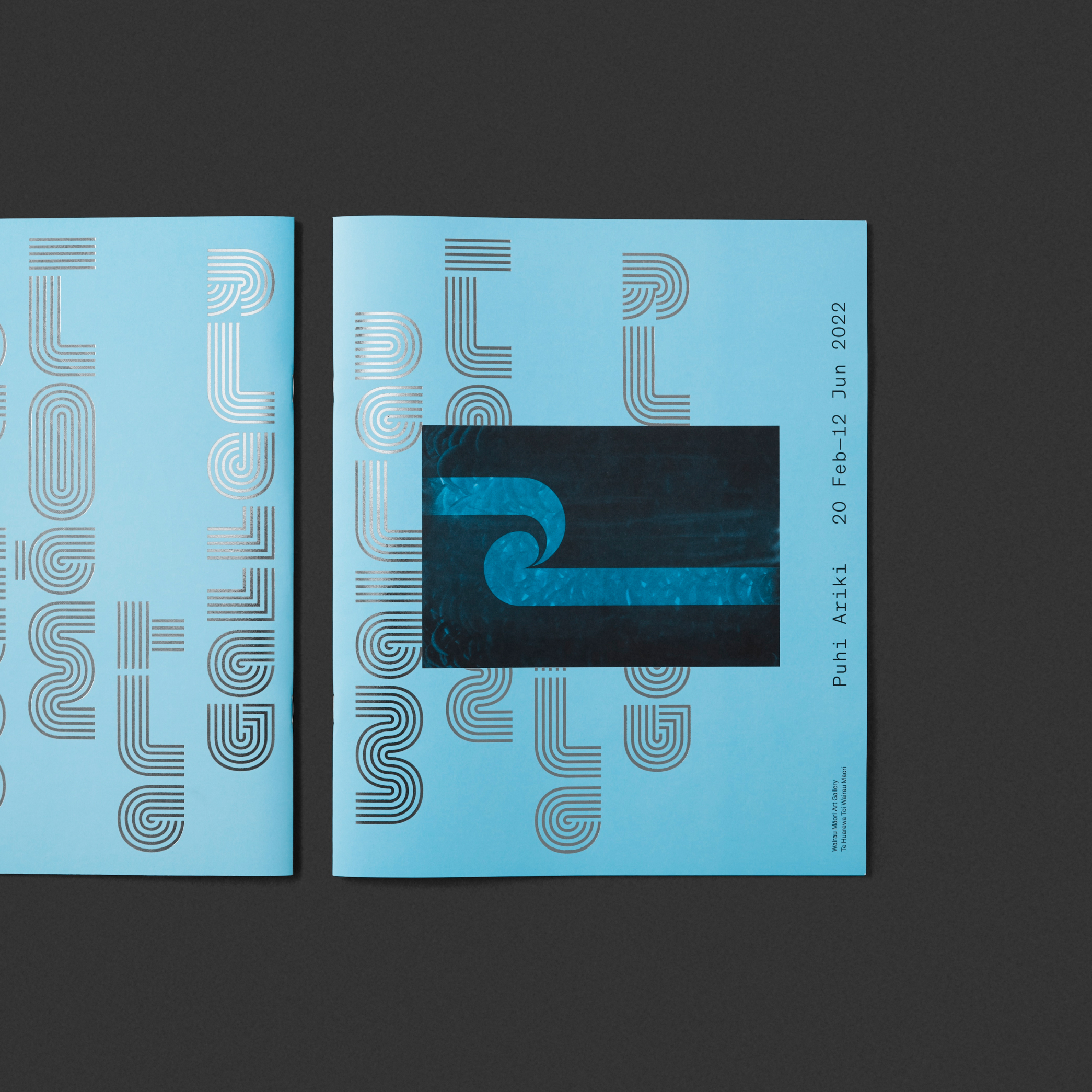
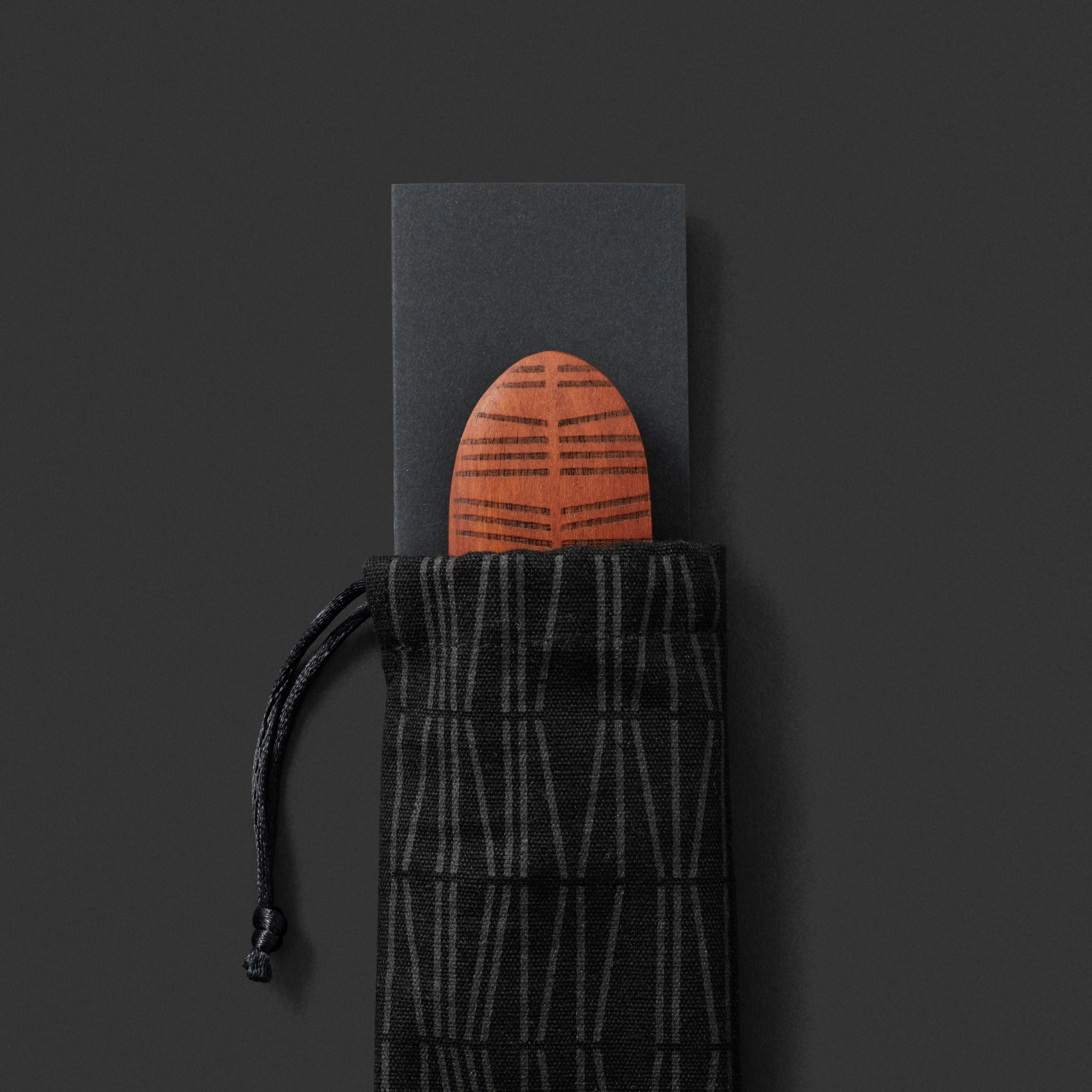
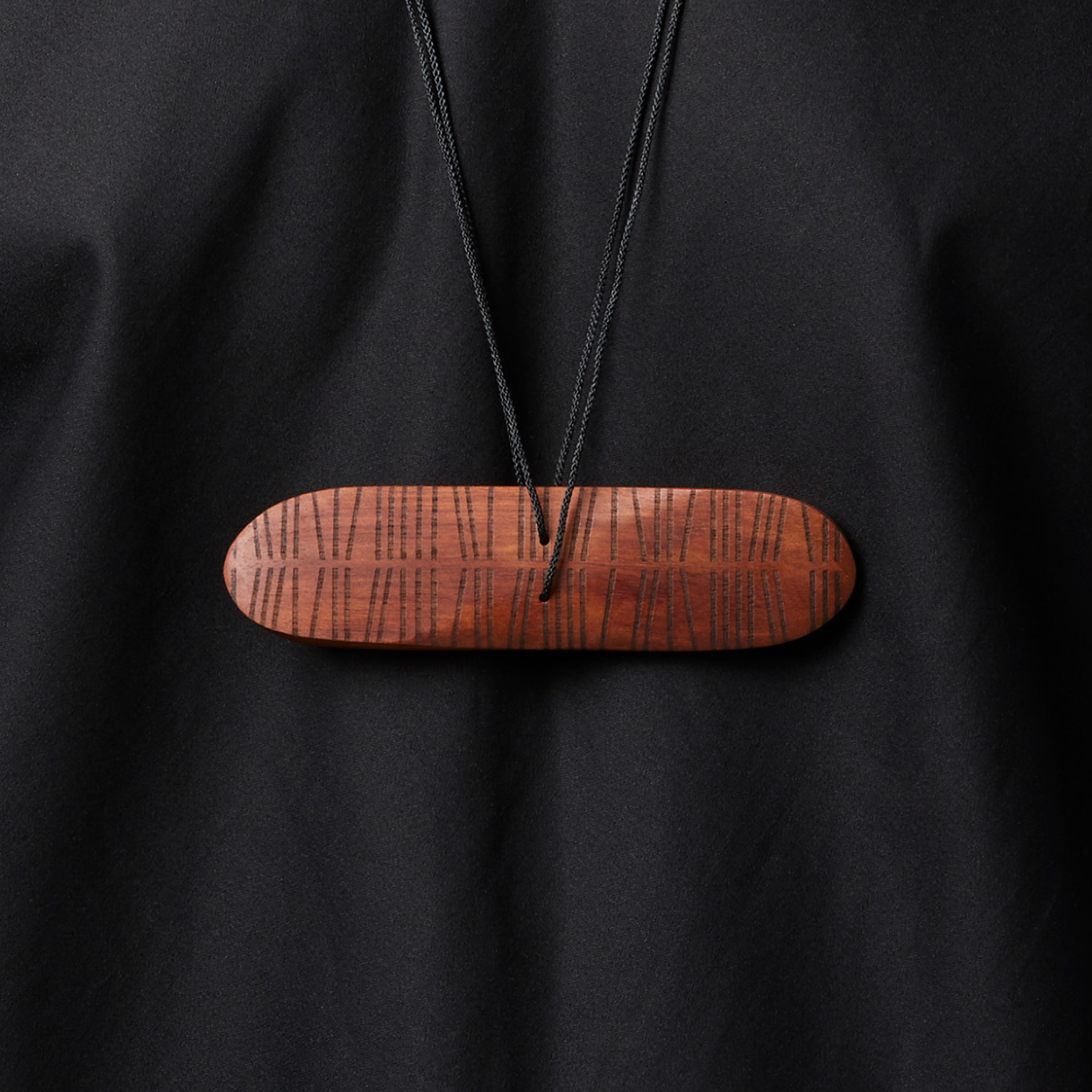
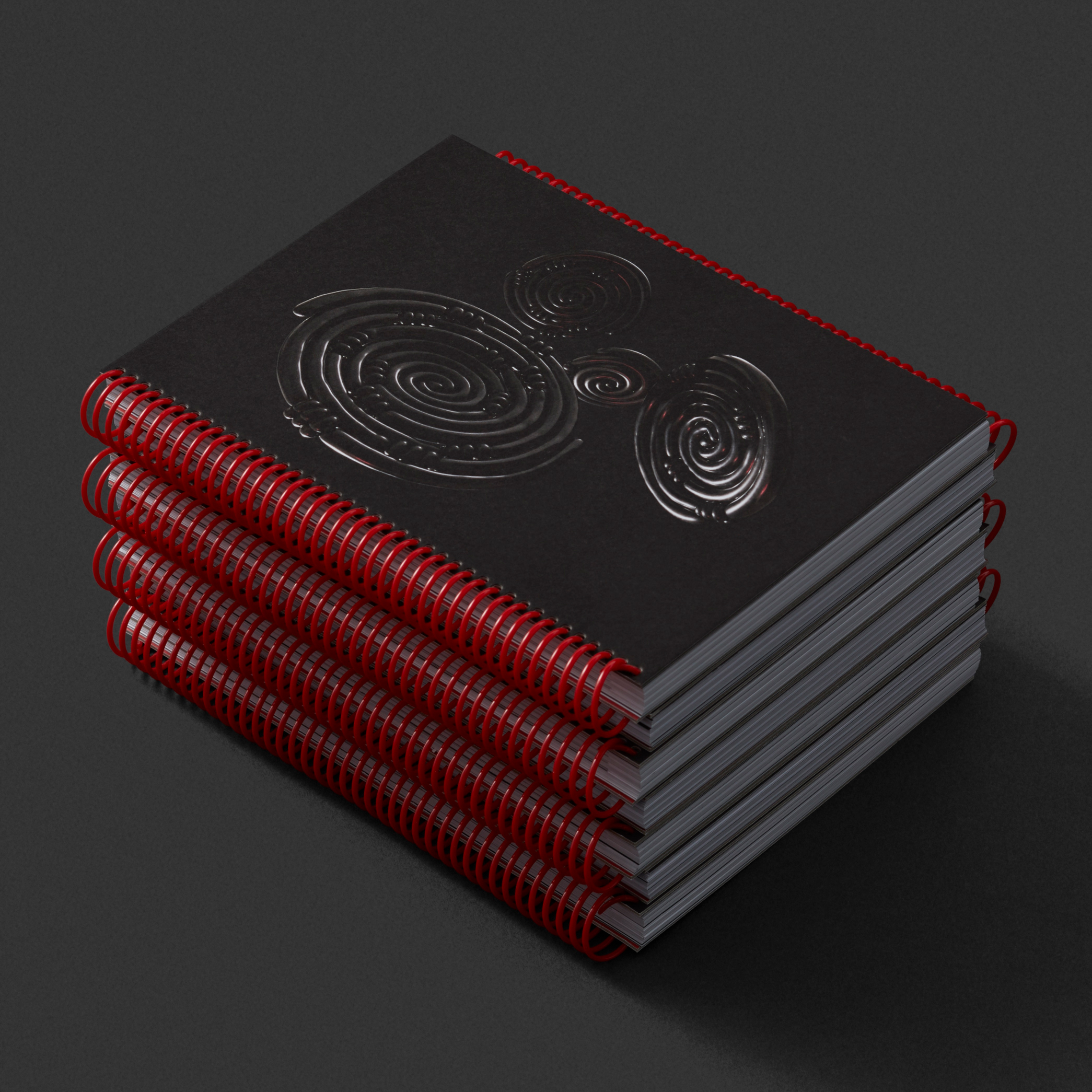
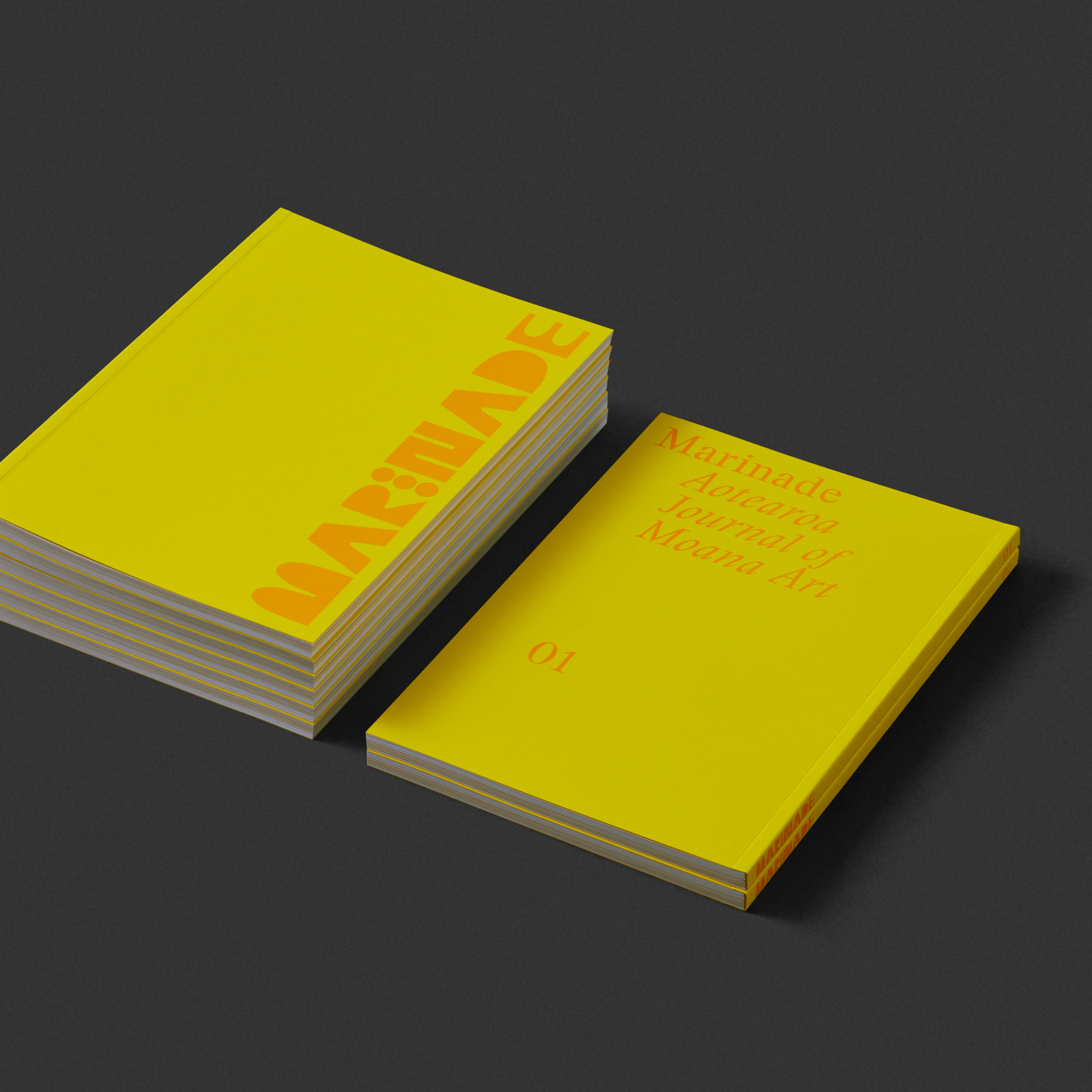
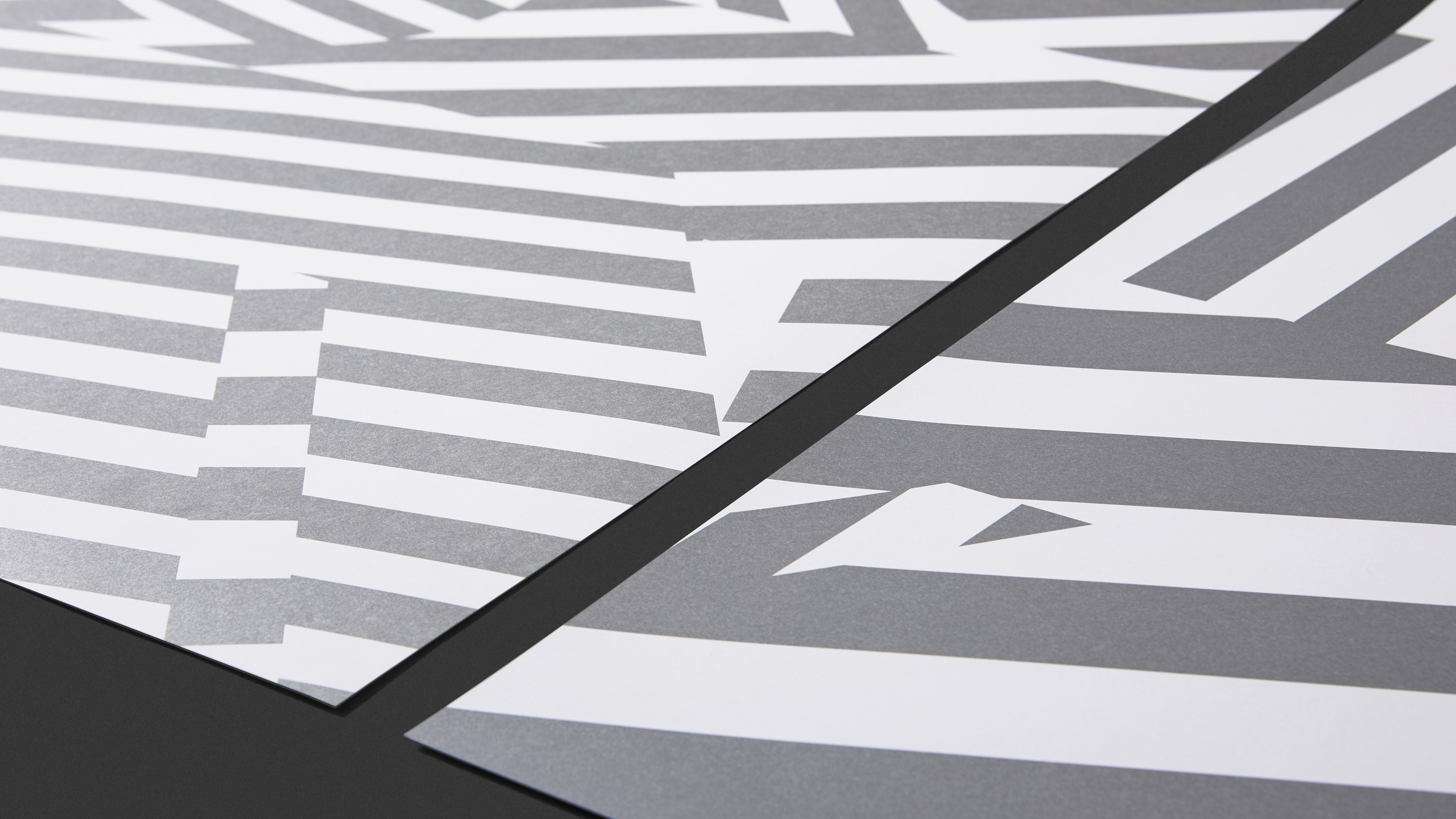
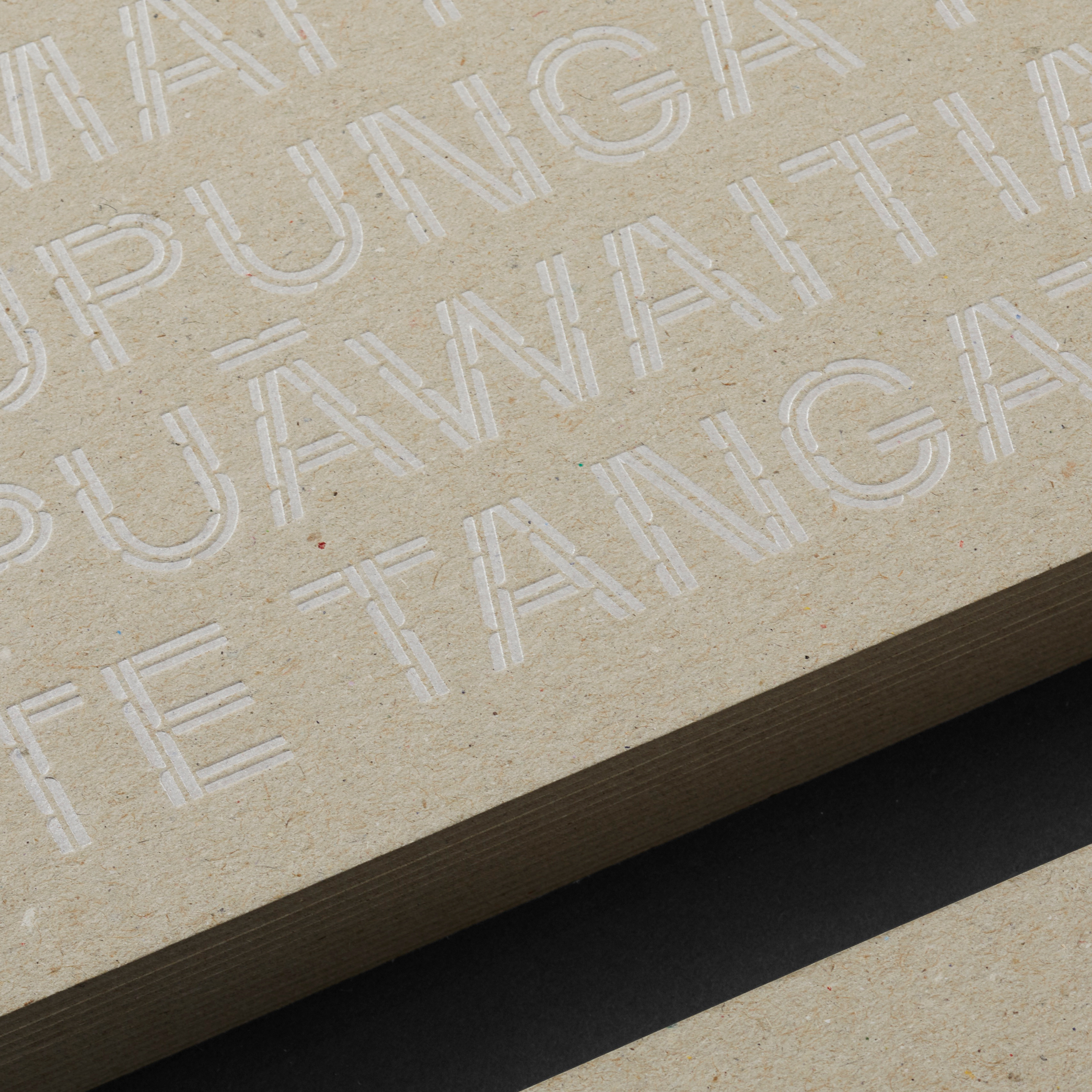
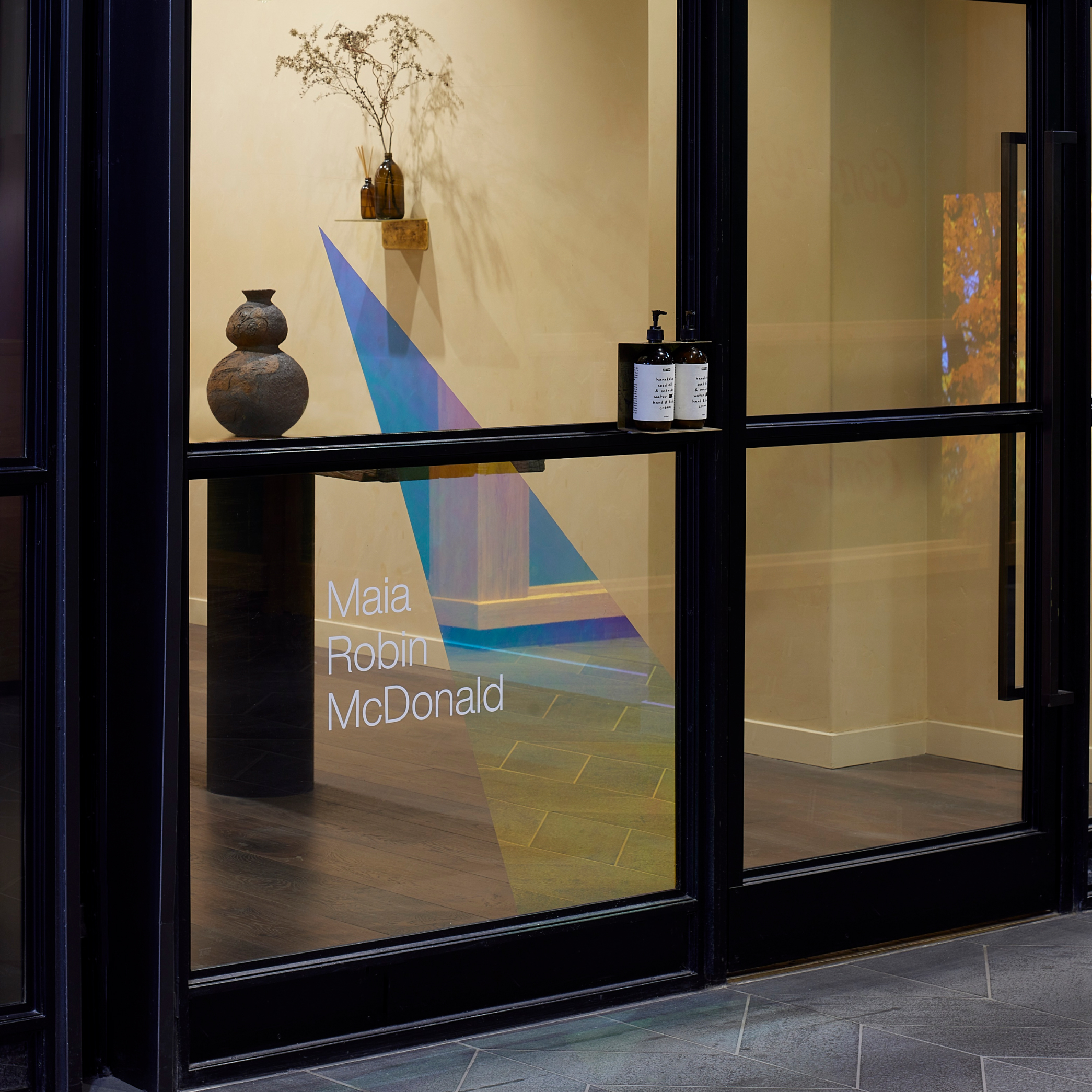
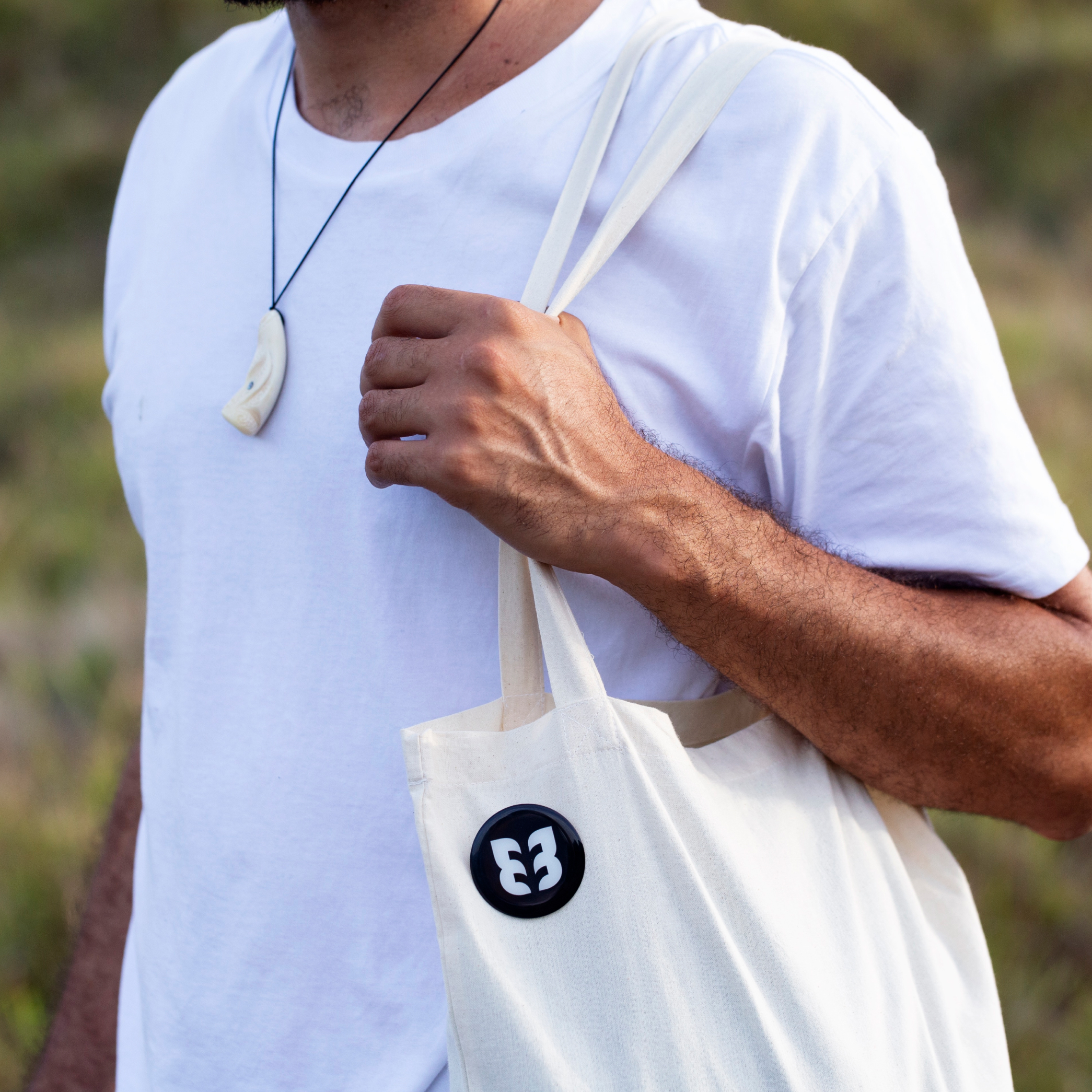
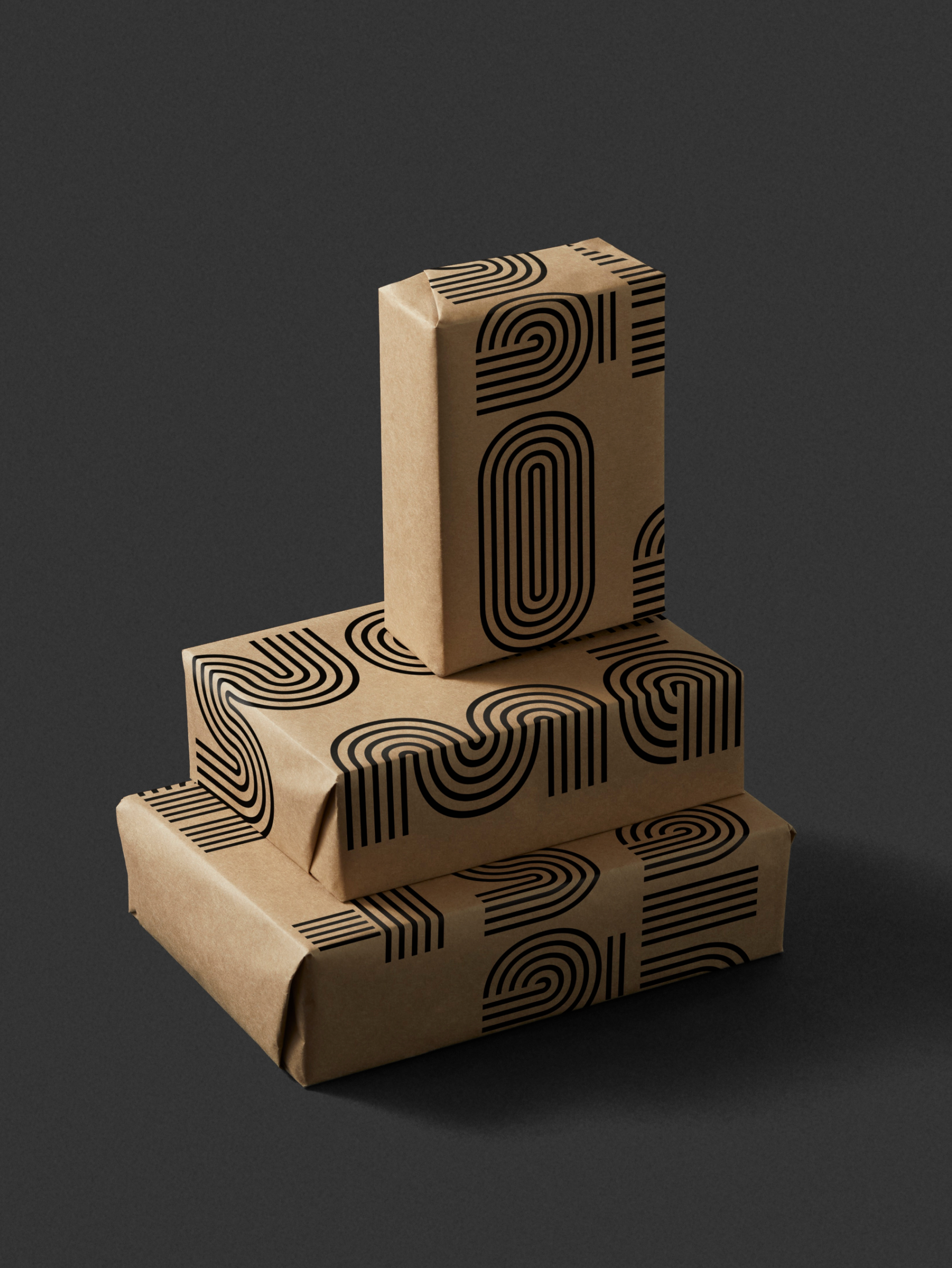
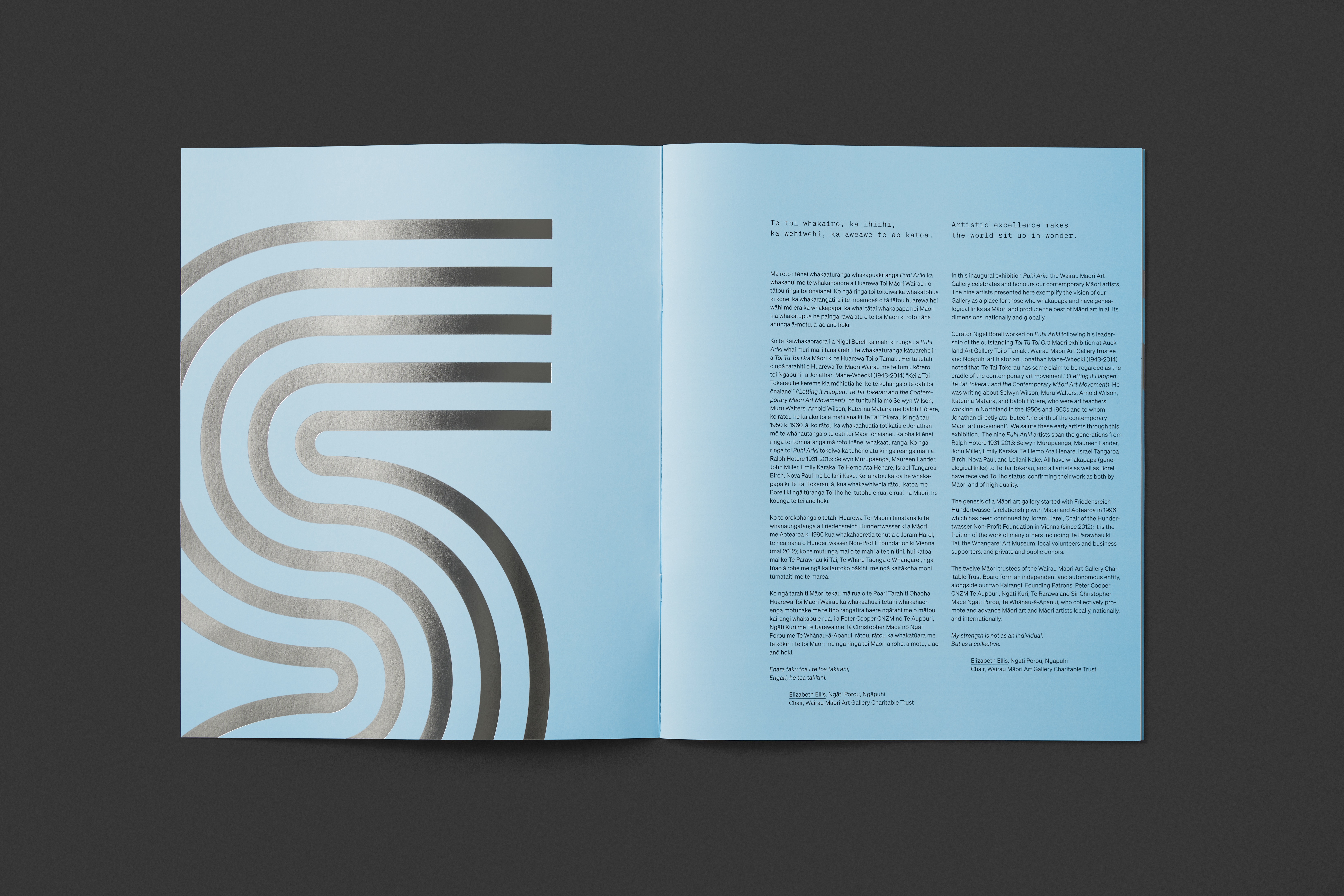
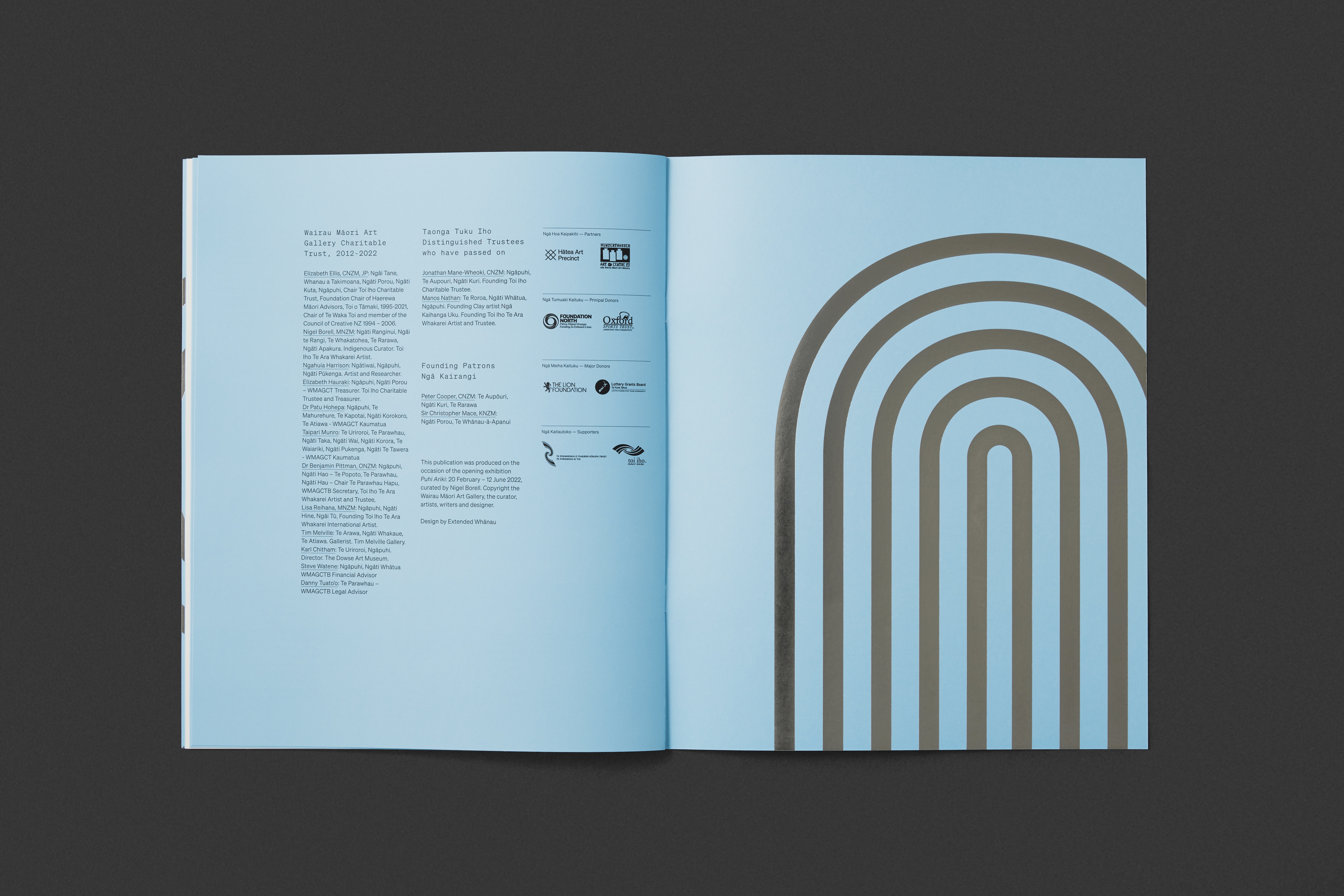
The wordmark itself becomes a graphic system which can be used expansively across all brand touchpoints. On the website, individual letters animate like wellsprings of cultural knowledge. In print, they are finished in silver foil to echo the reflective nature of water. Across gallery merchandise, it flows freely between abstract graphic pattern on wrapping paper and back to legible text on tote bags.
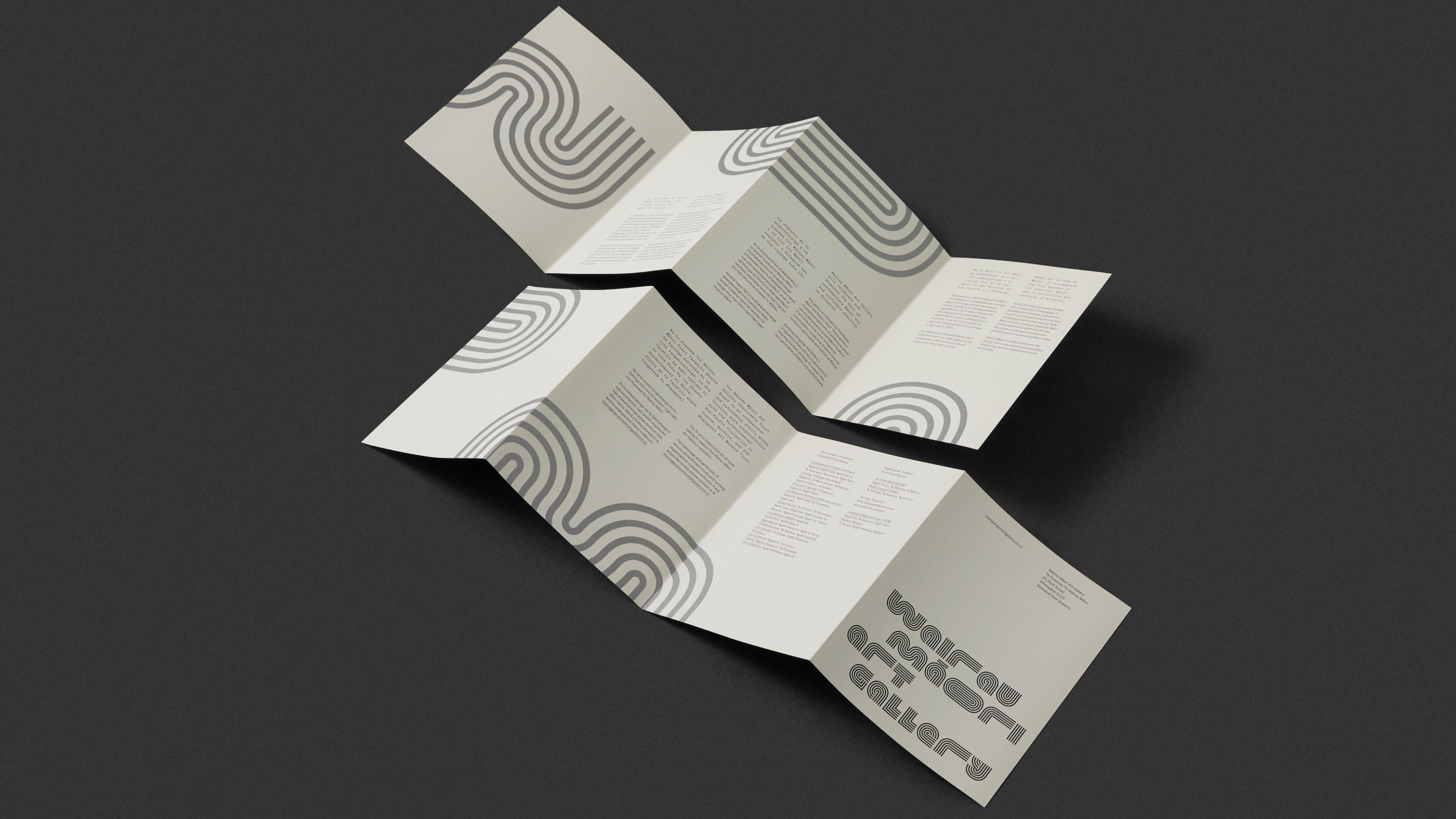
Moving and forming with the times
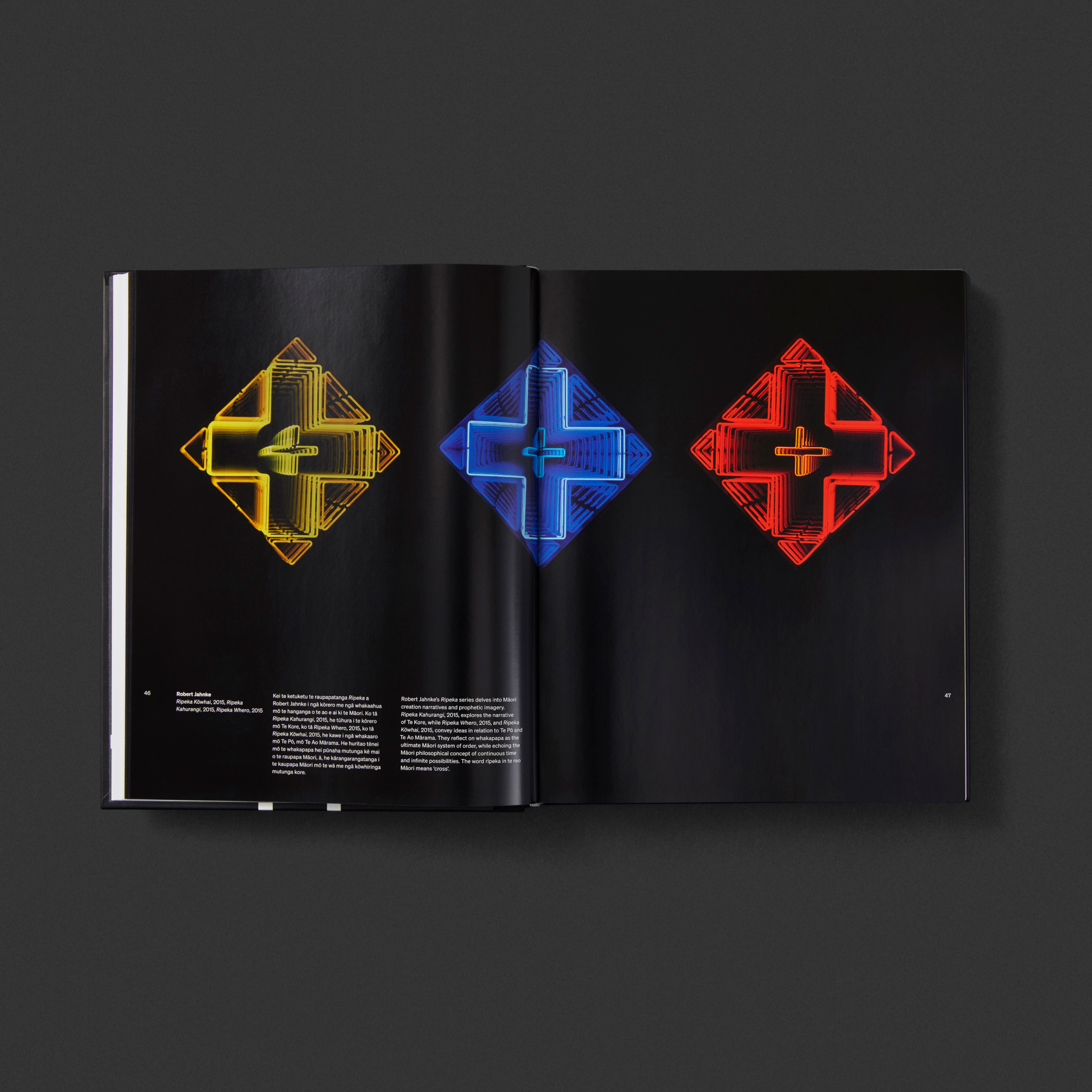
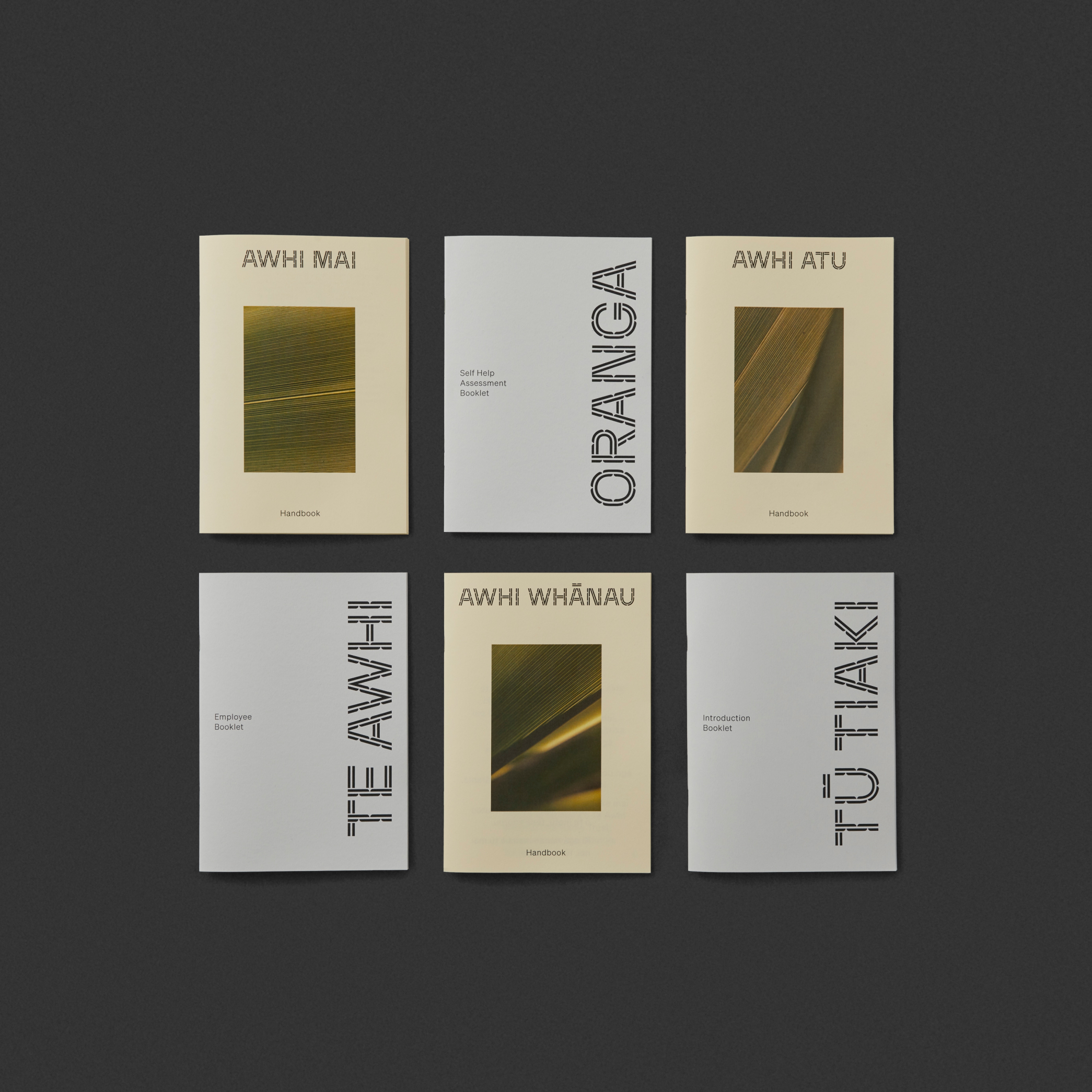
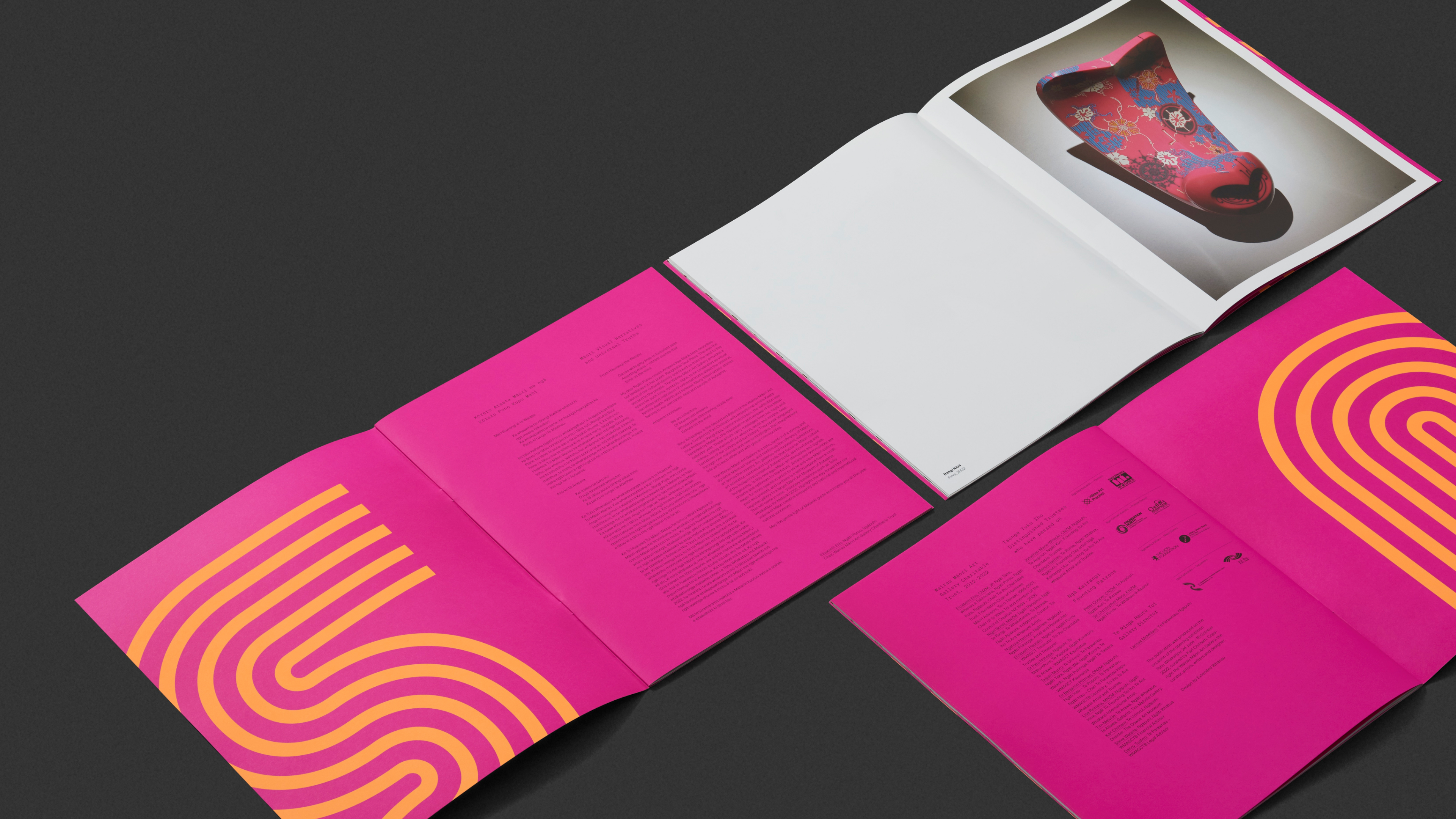
Alongside the graphic system, custom paper sizes for brochures, catalogues and cards were developed based on the proportions of the wordmark, and distinctive colour schemes are developed for each exhibition. All of which work together to create an ever-evolving design system that can grow and shift with contemporary Māori art, and a gallery brand identity that is recognisable both locally and internationally.
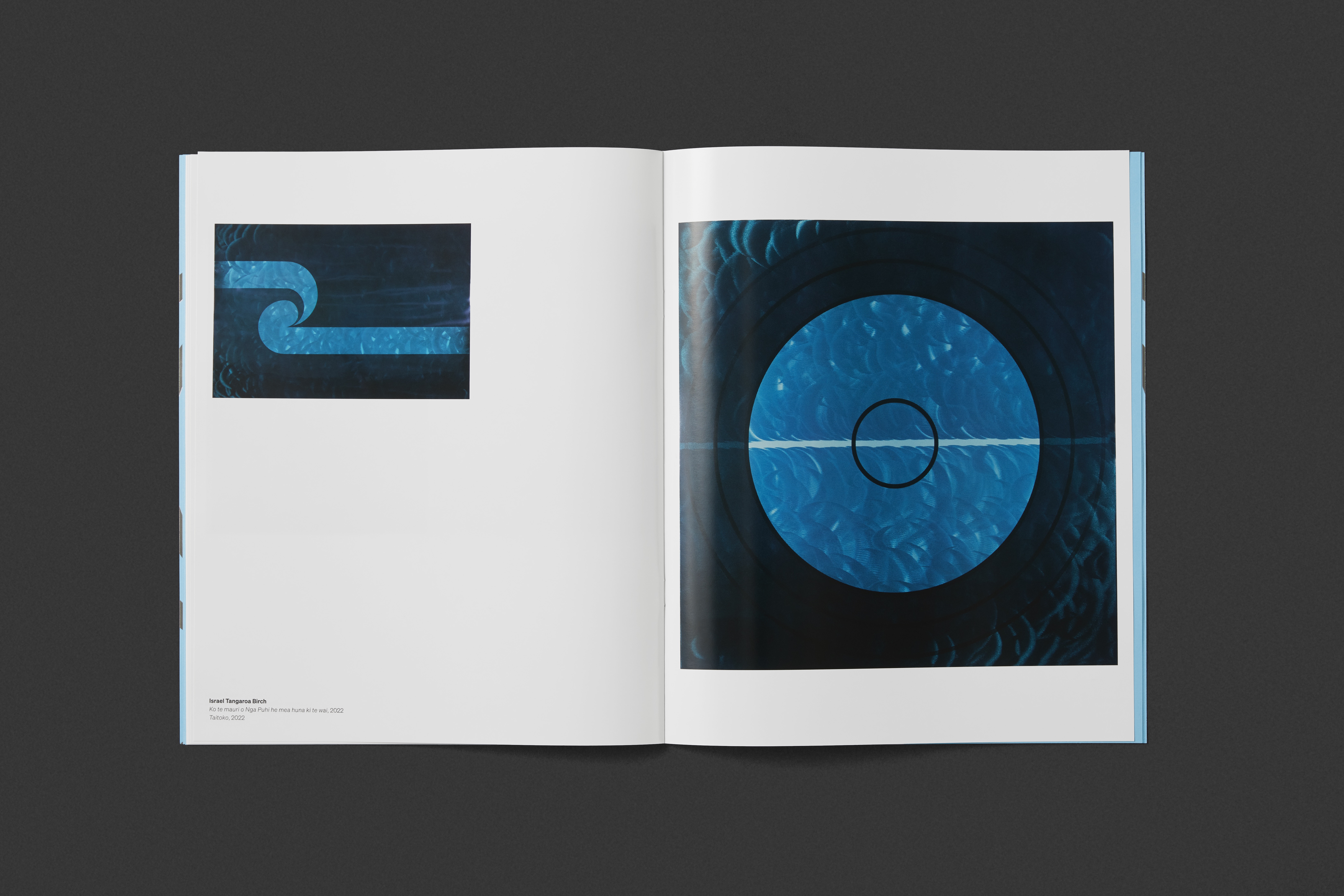
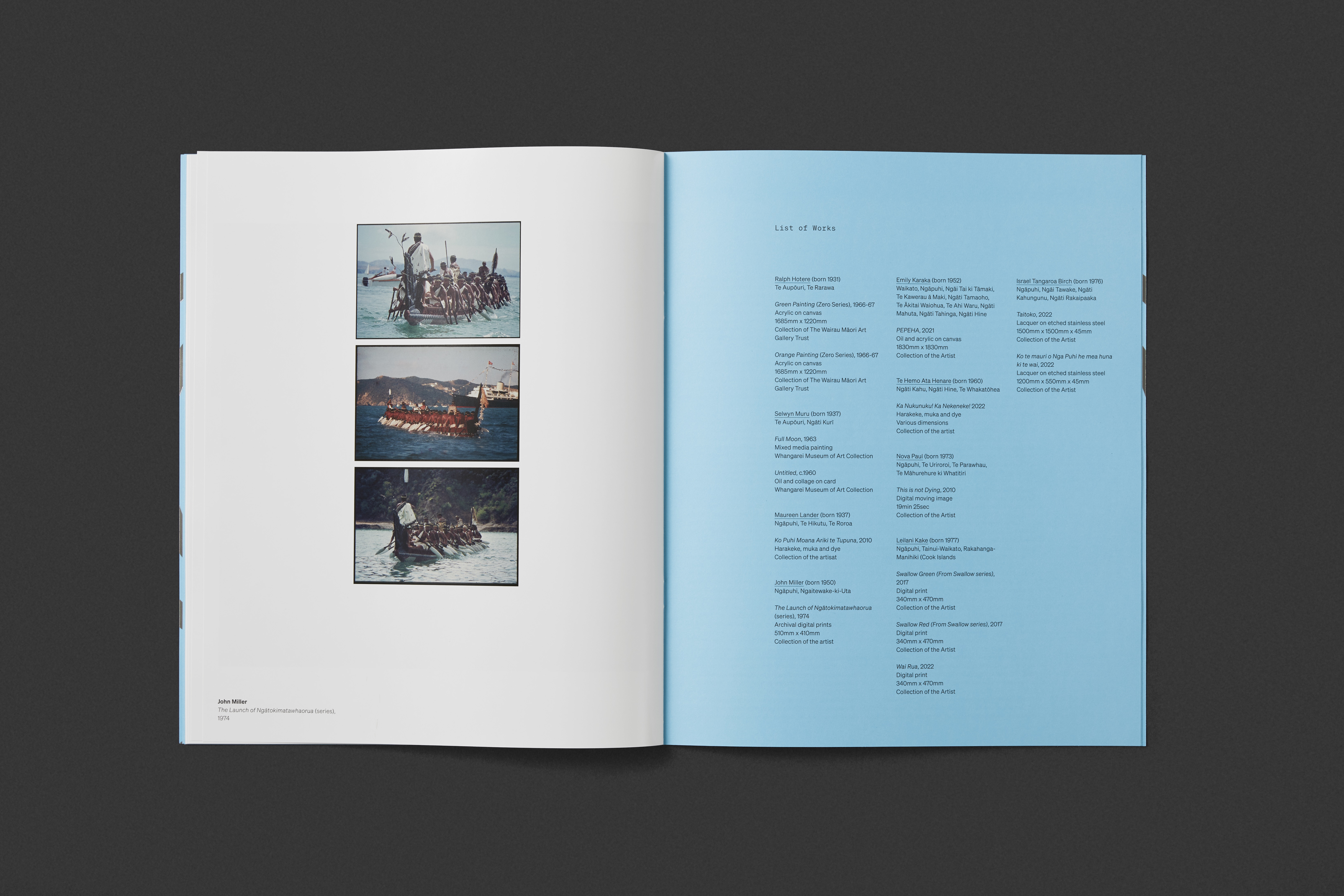
Exhibition – Puhi Ariki
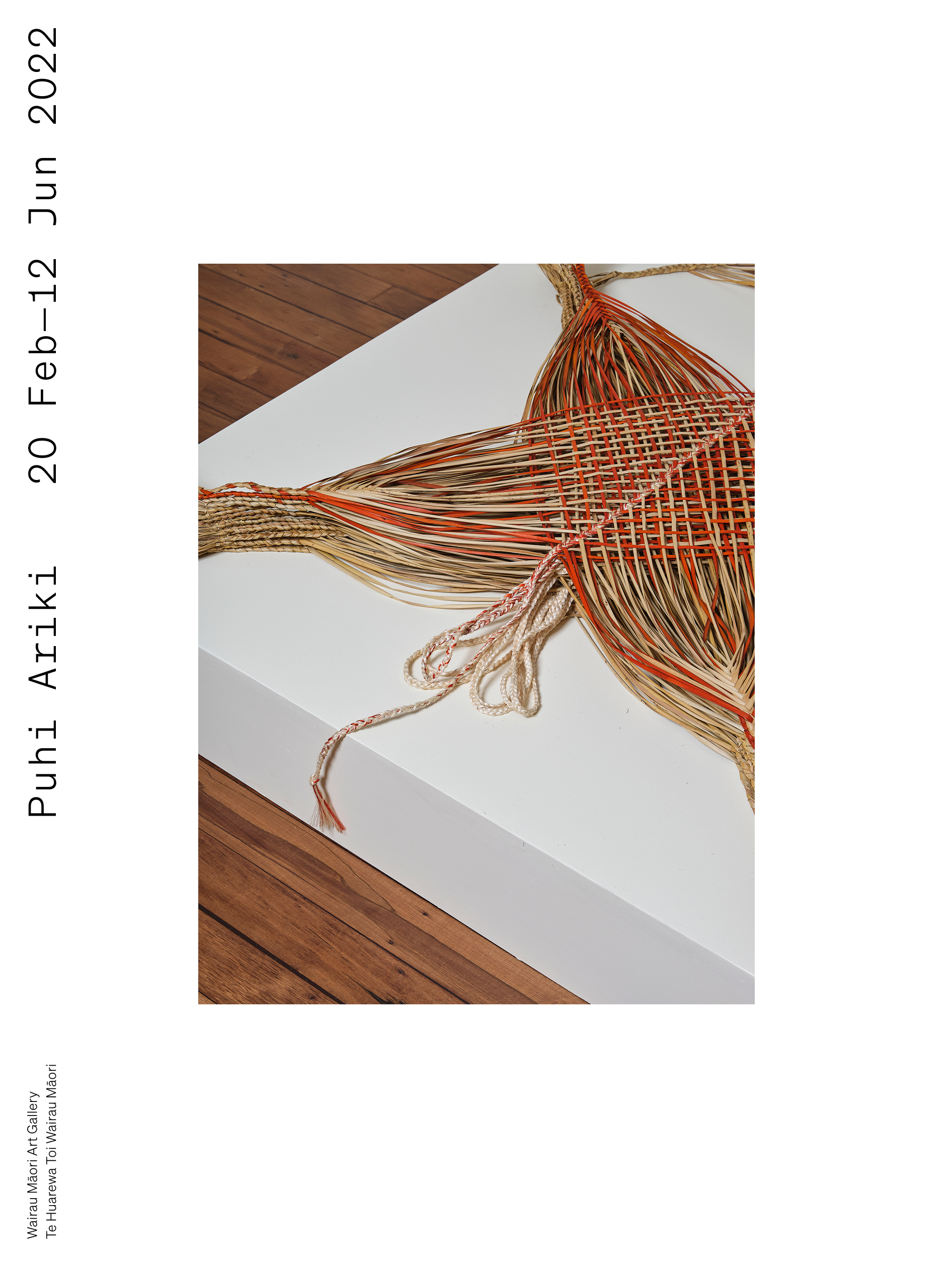
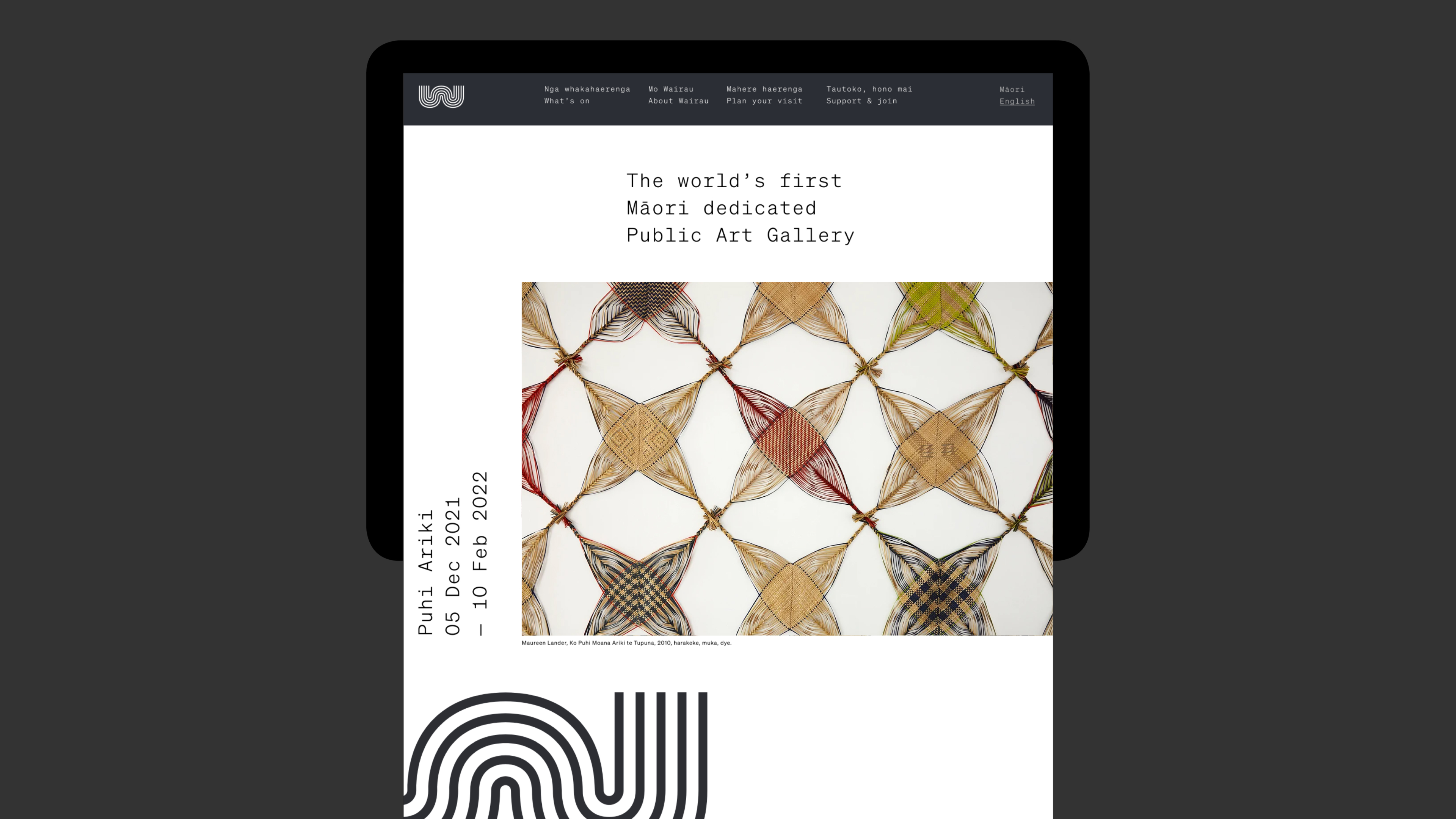
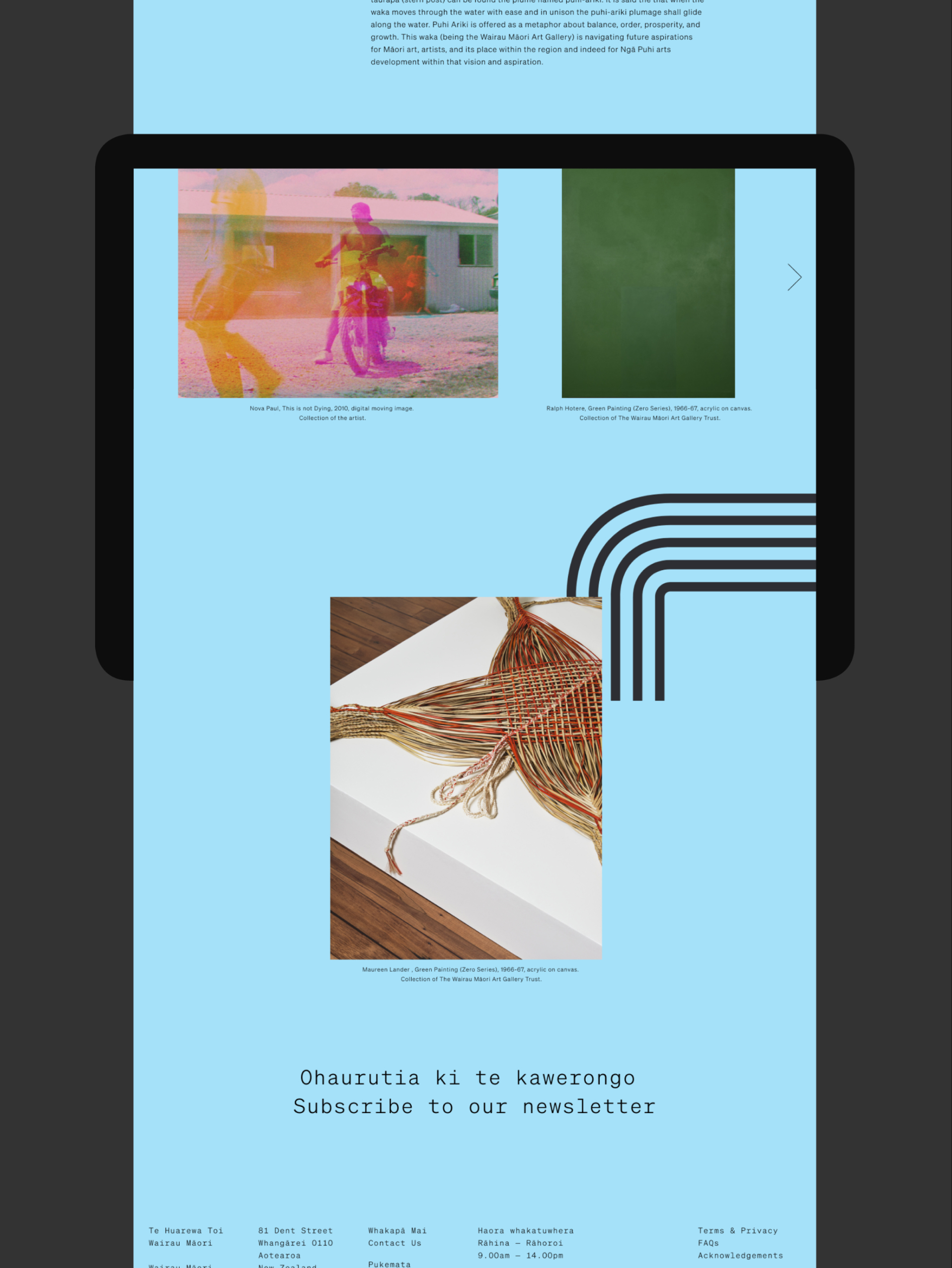
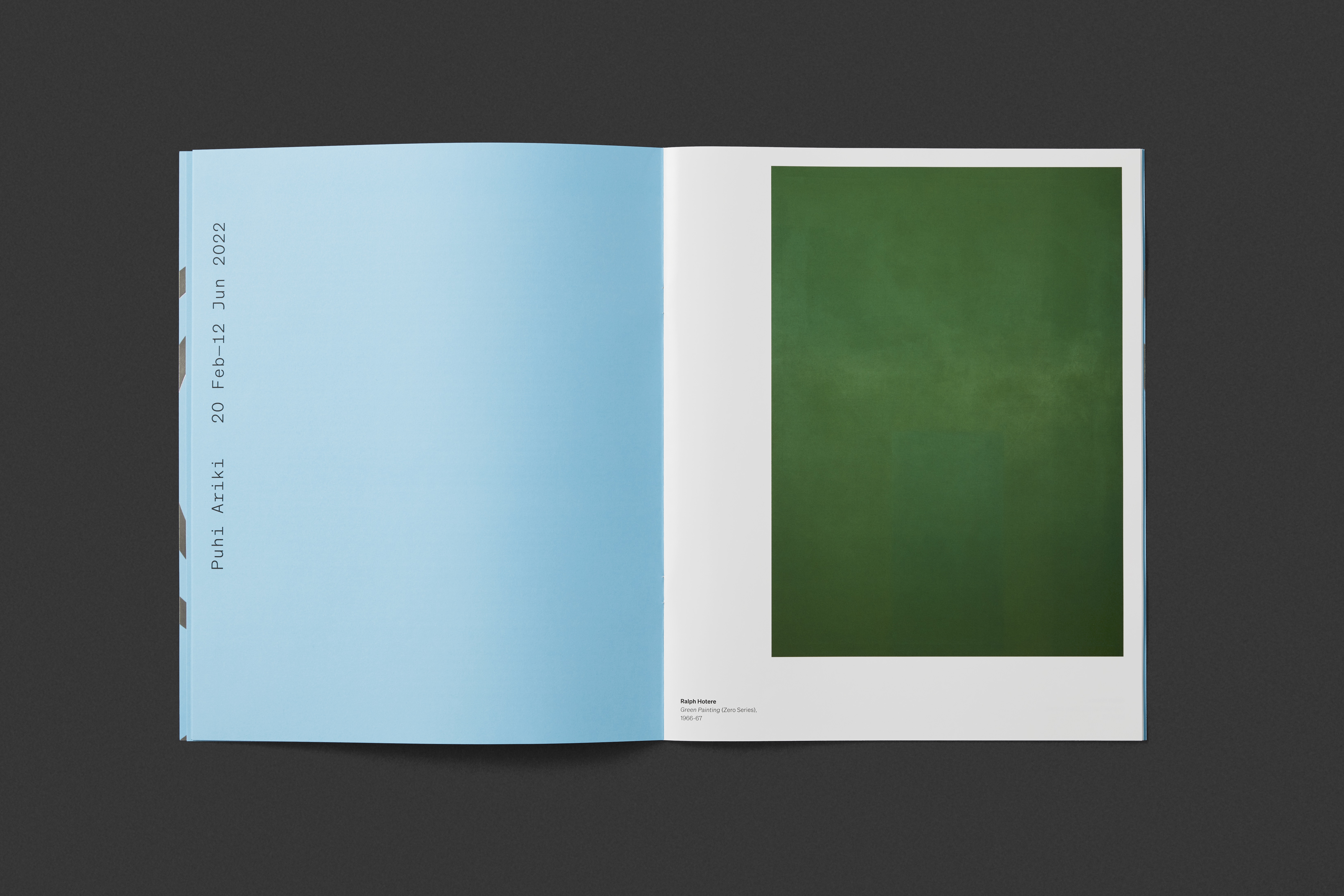
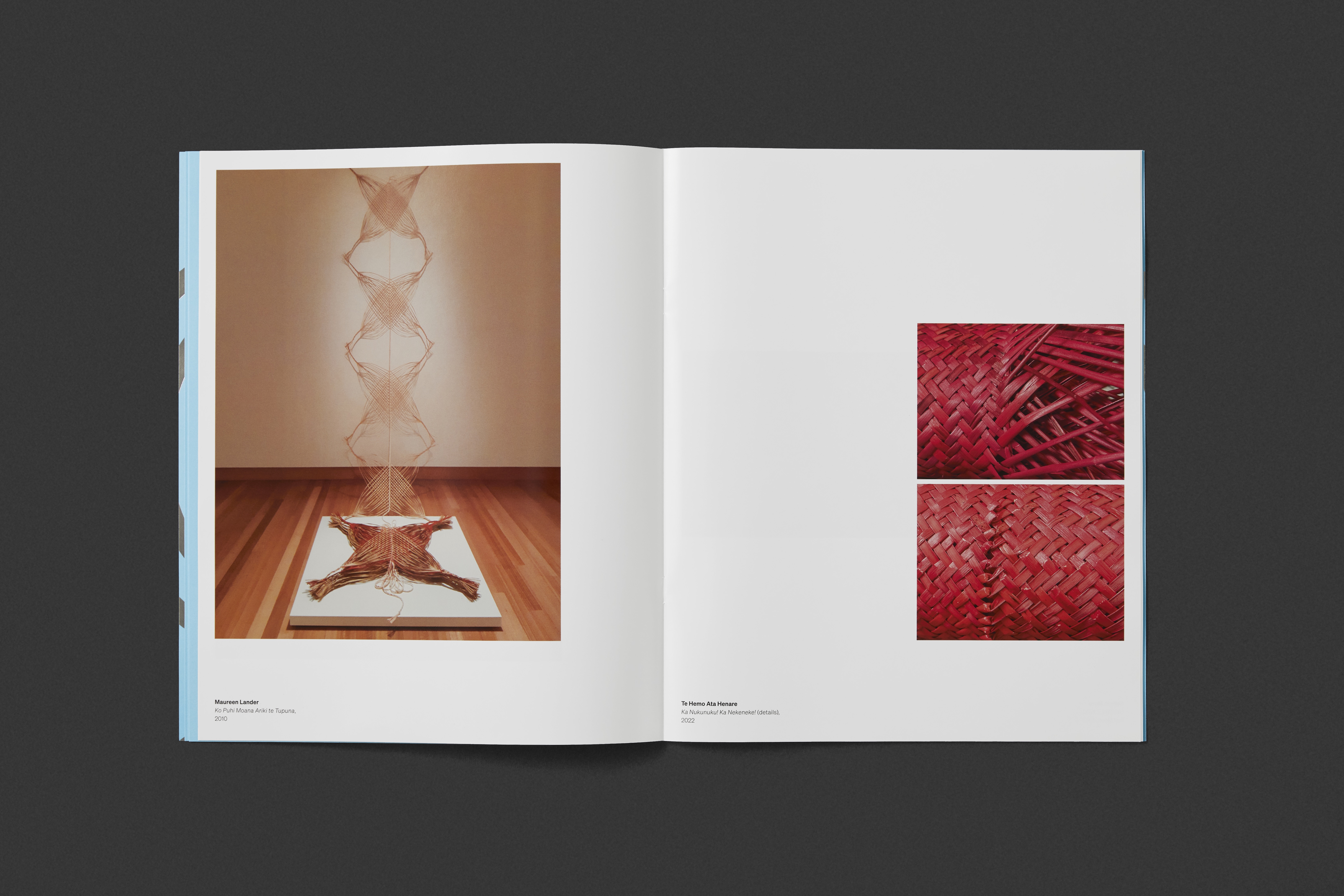
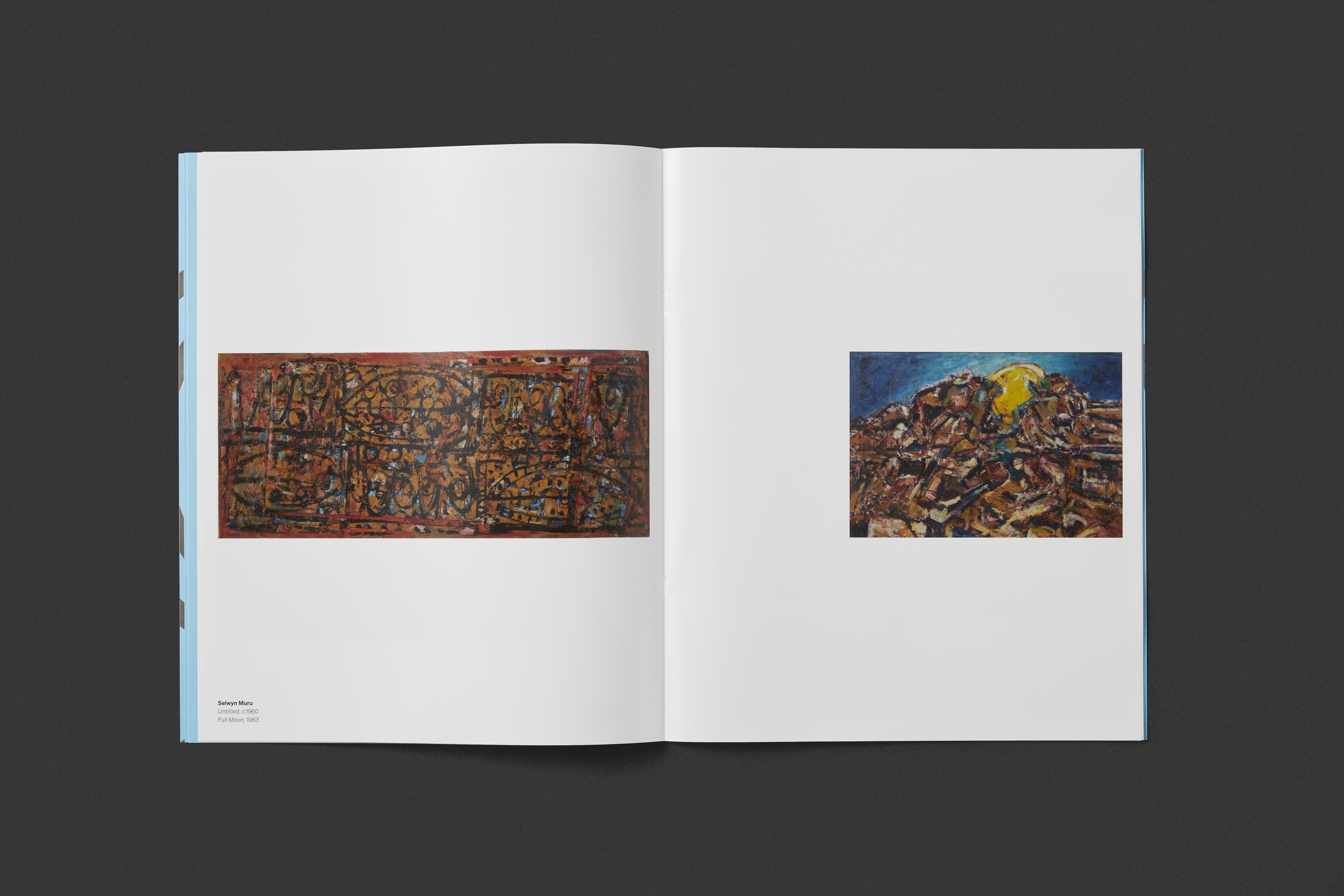
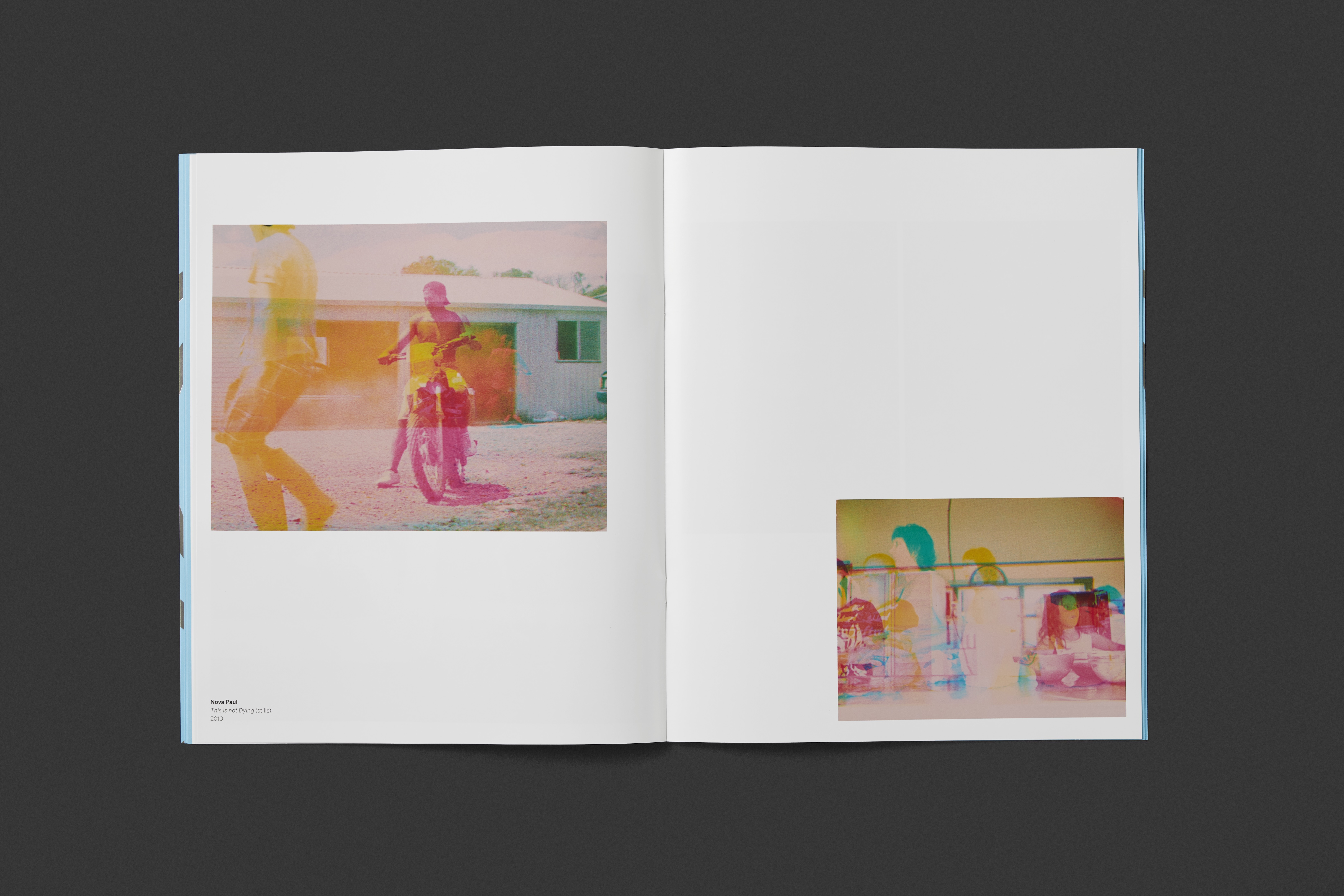
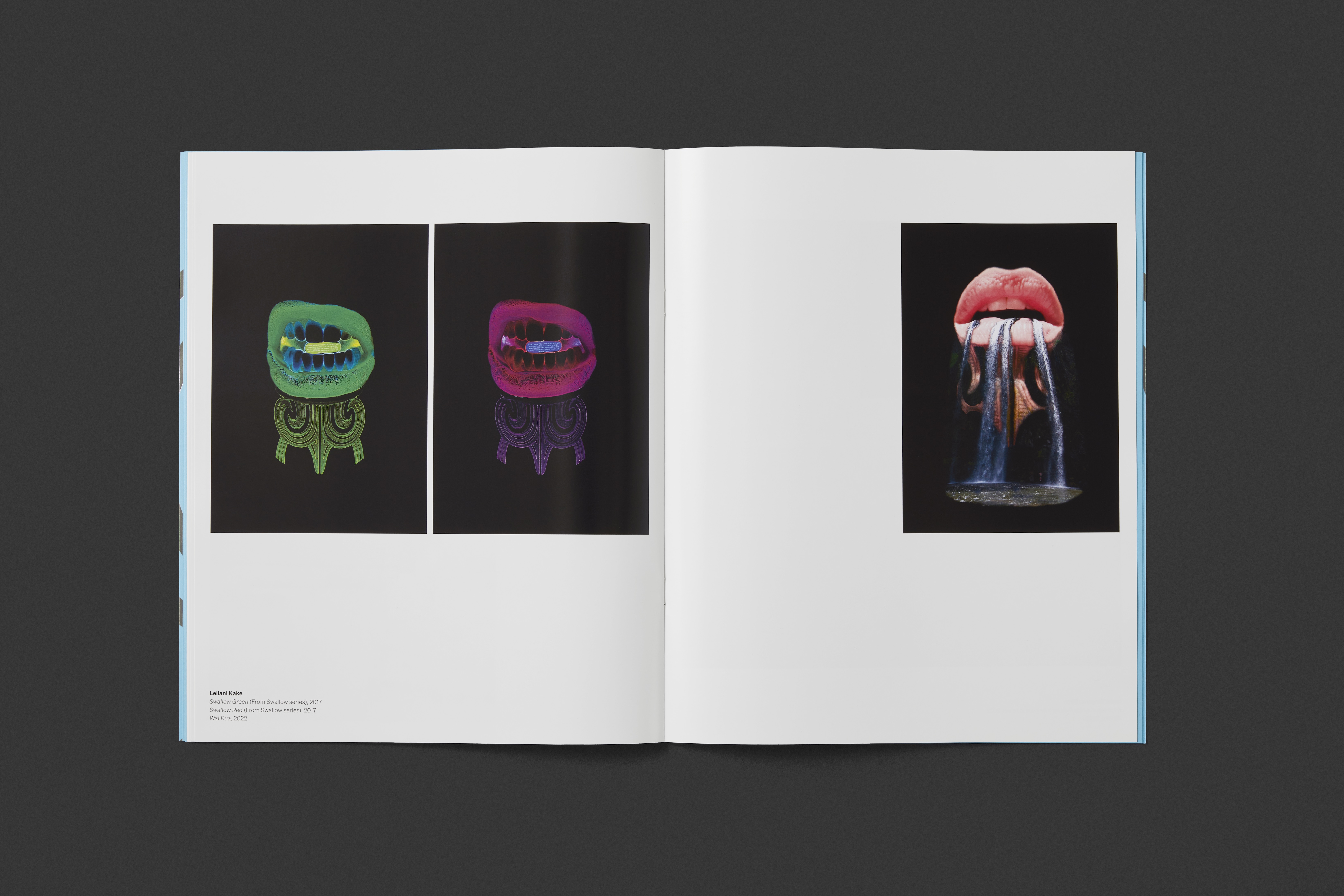
Puhi Ariki was the gallery's inaugural exhibition; it reflected upon the symbolic significance of waka as a way to celebrate Māori art and the aspirations of the gallery. Curator Nigel Borell selected nine artists that offer a variety of perspectives on directions in Māori art practice from the 1960w to the present day.
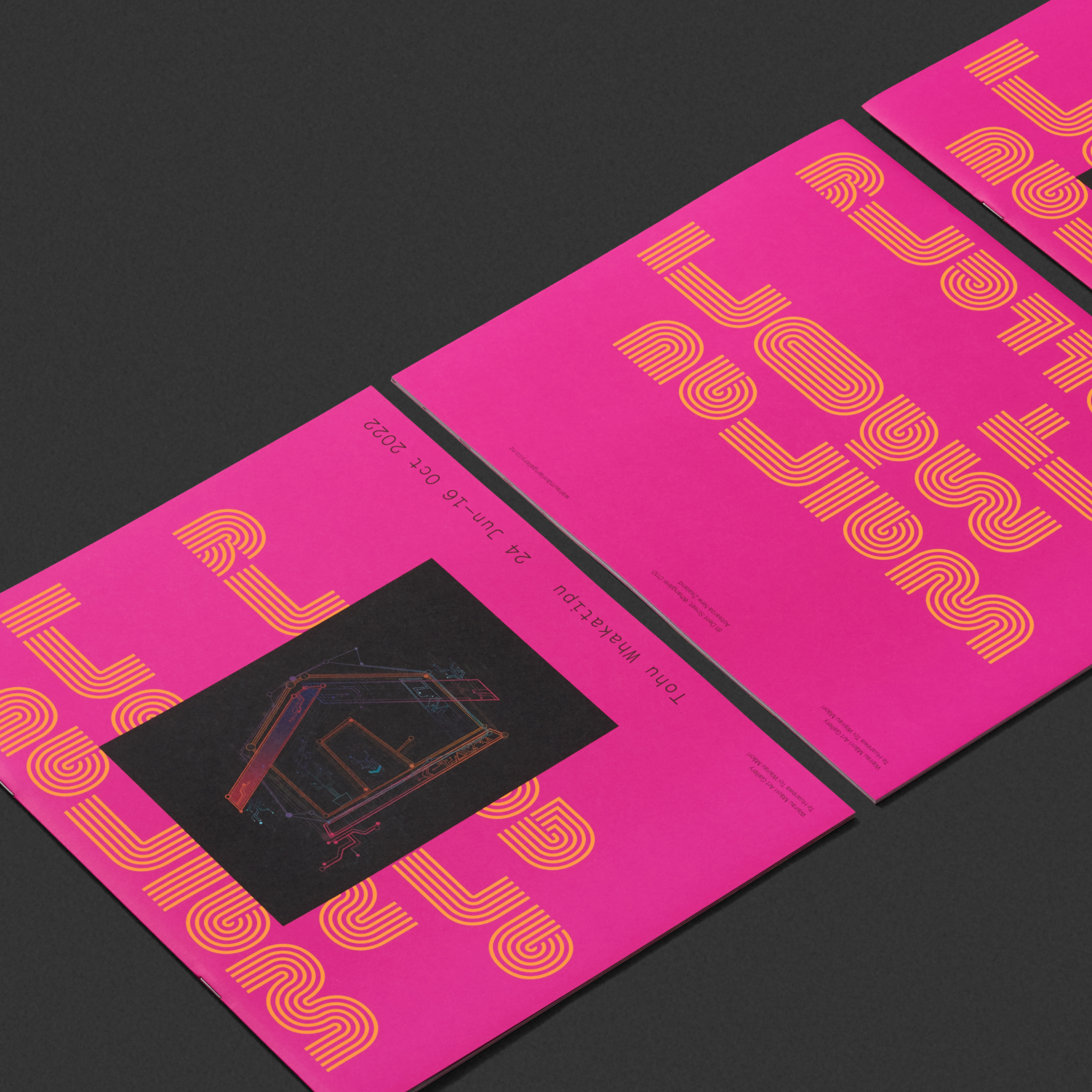
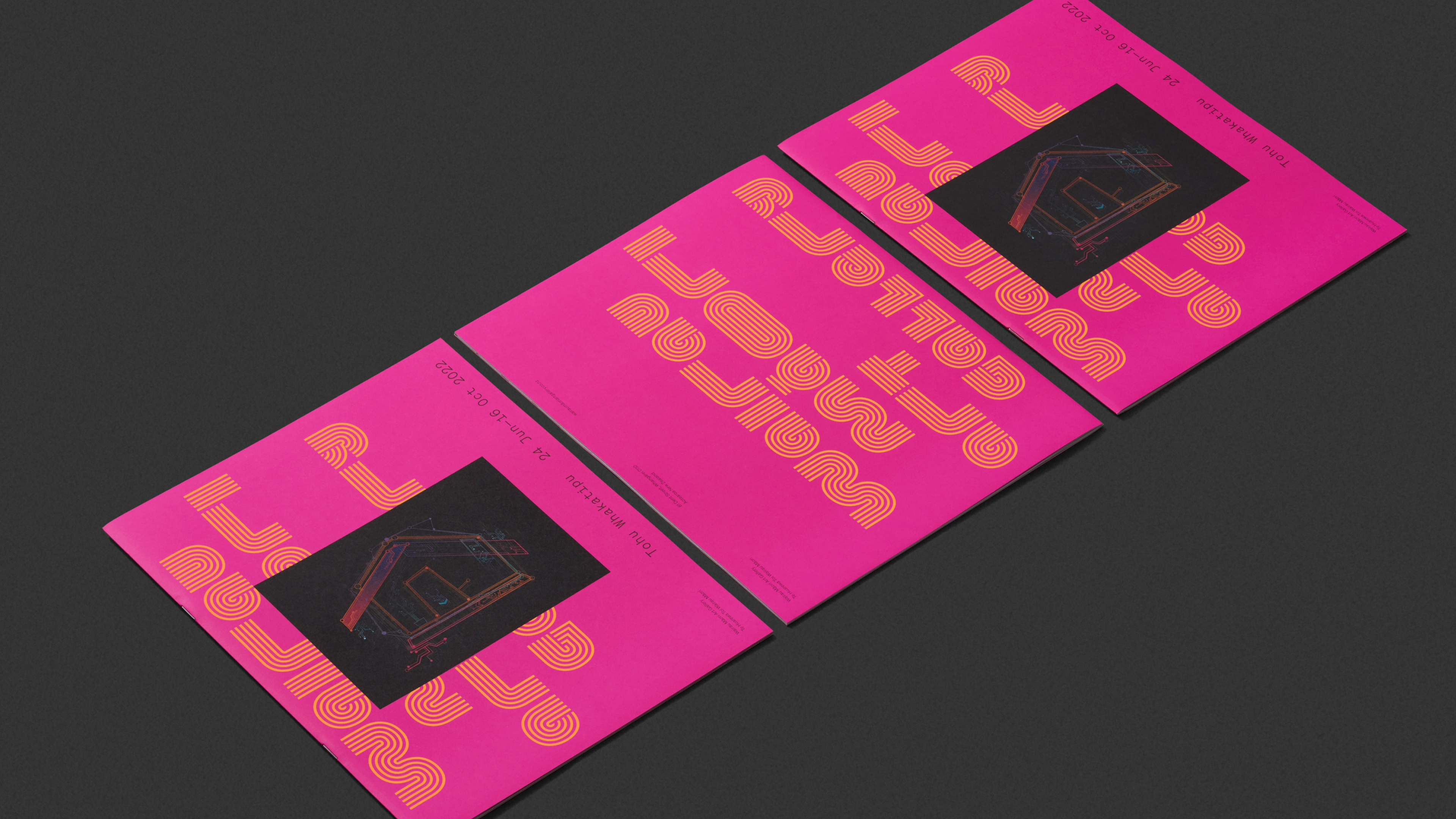
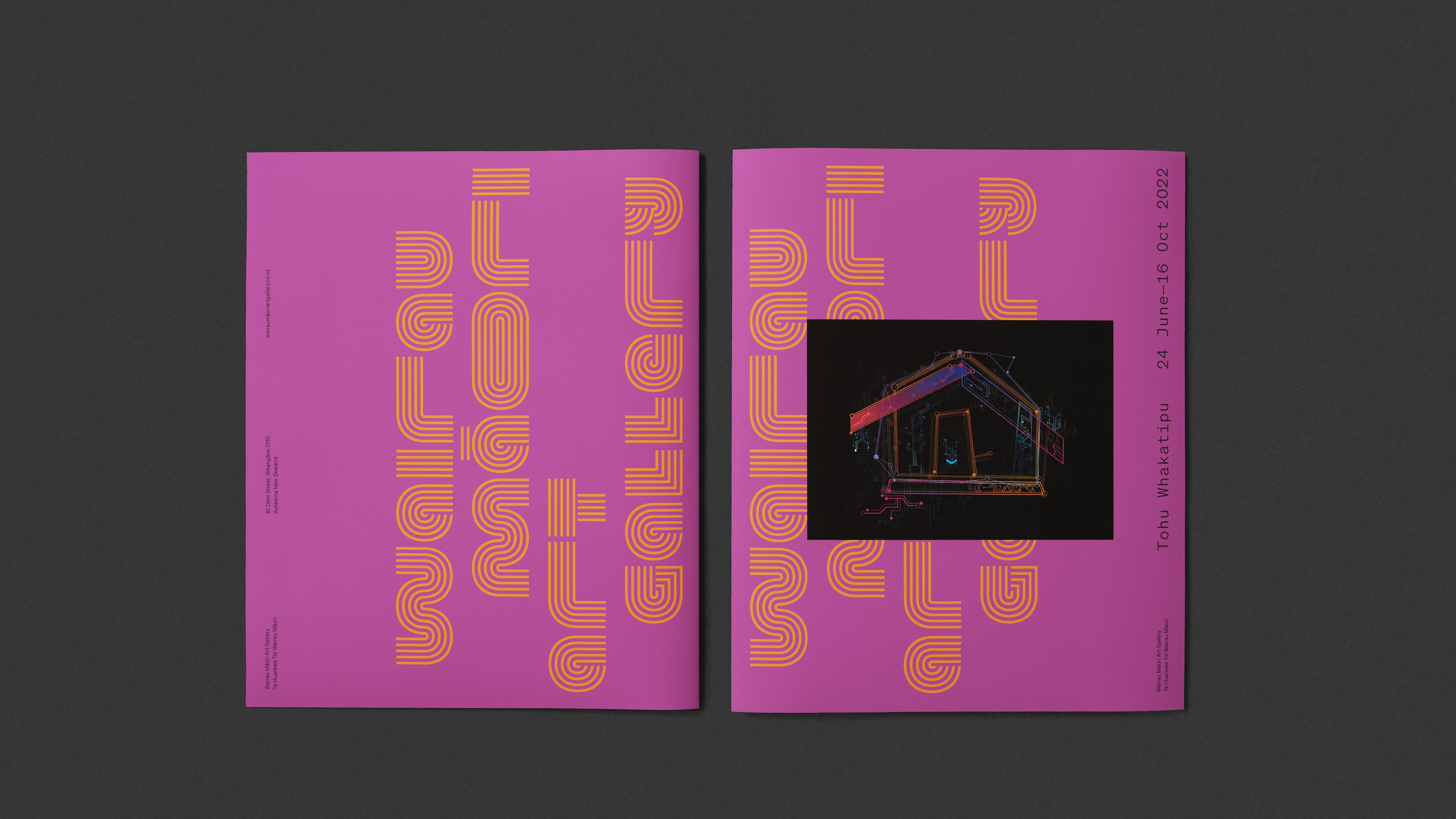
Exhibition – Tohu Whakatipu
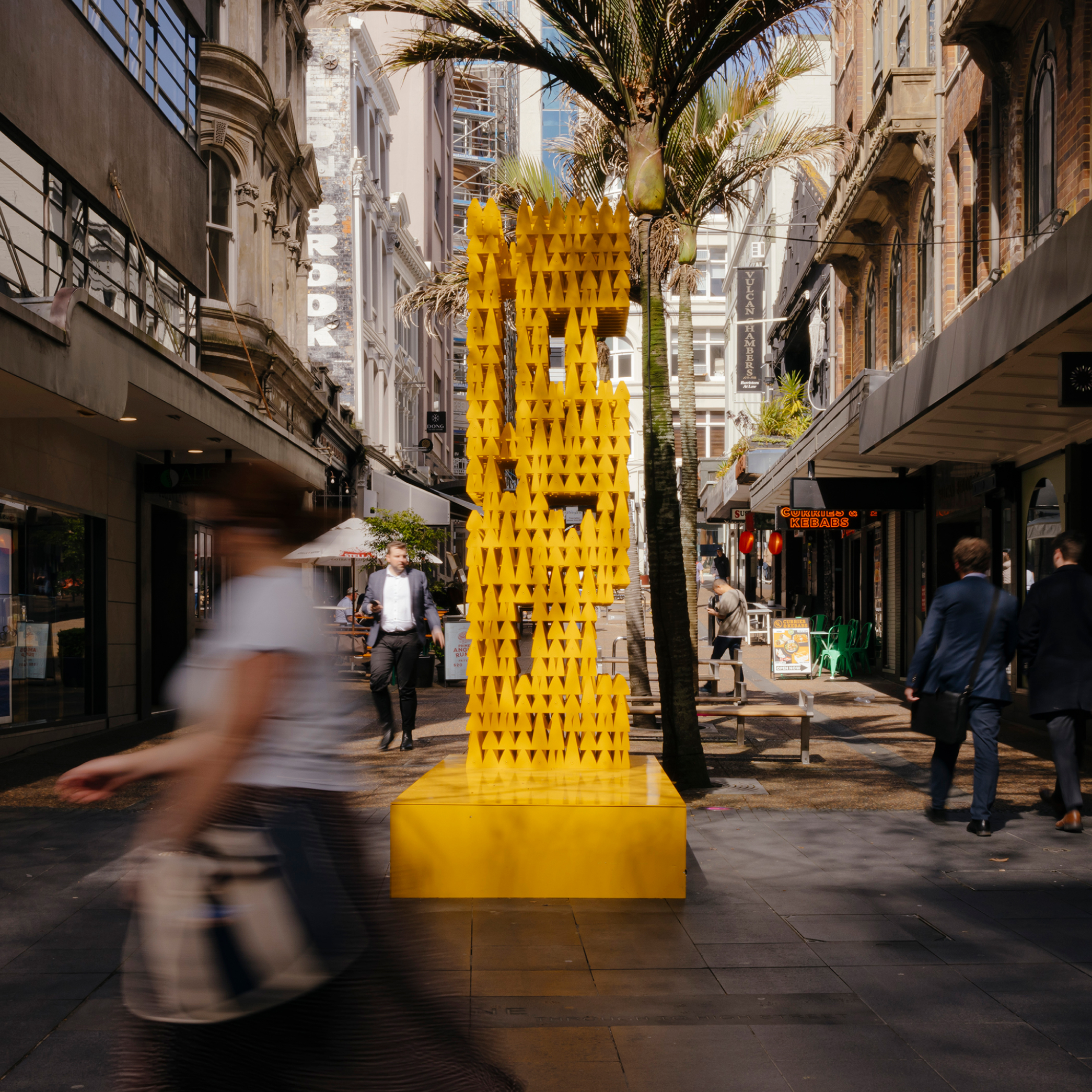
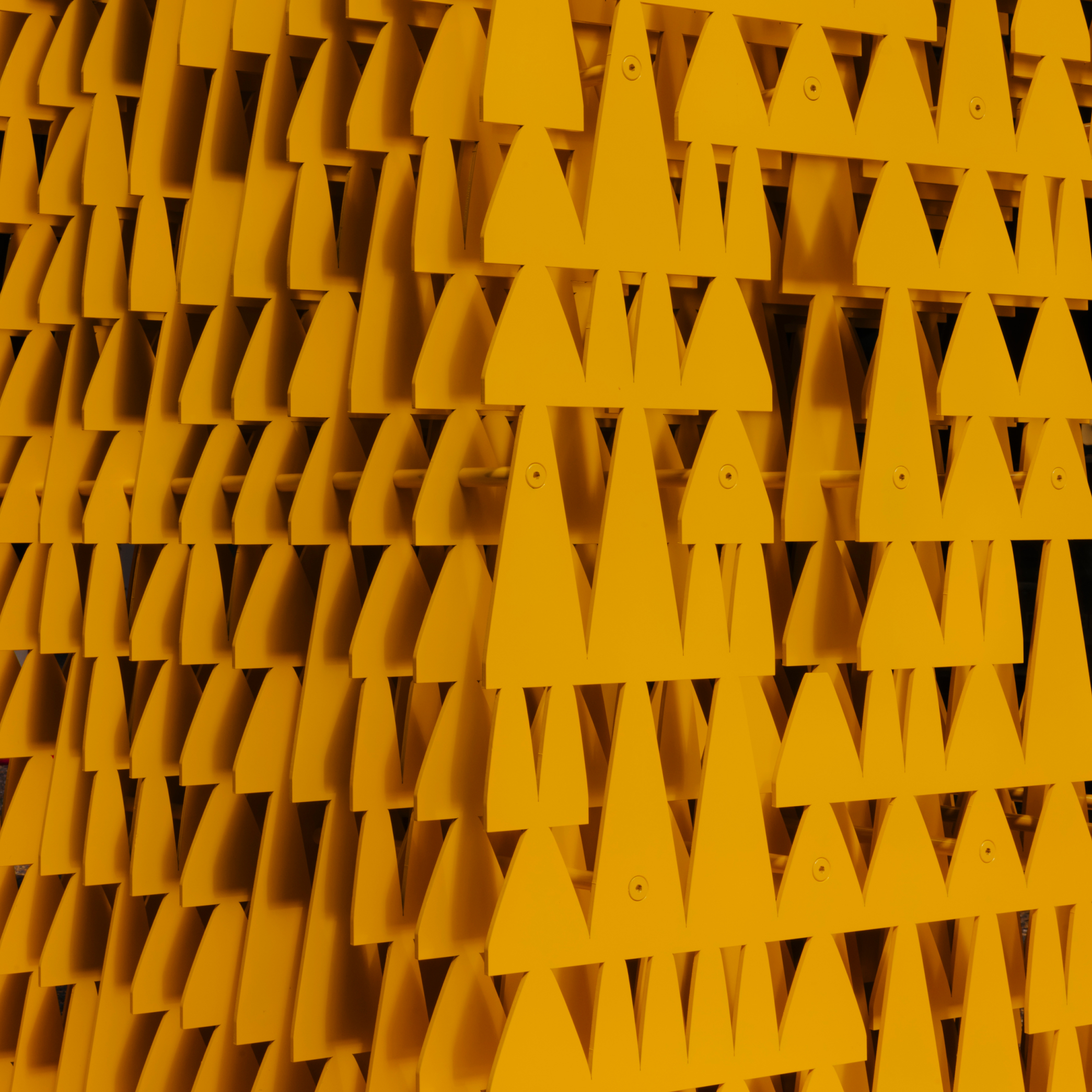
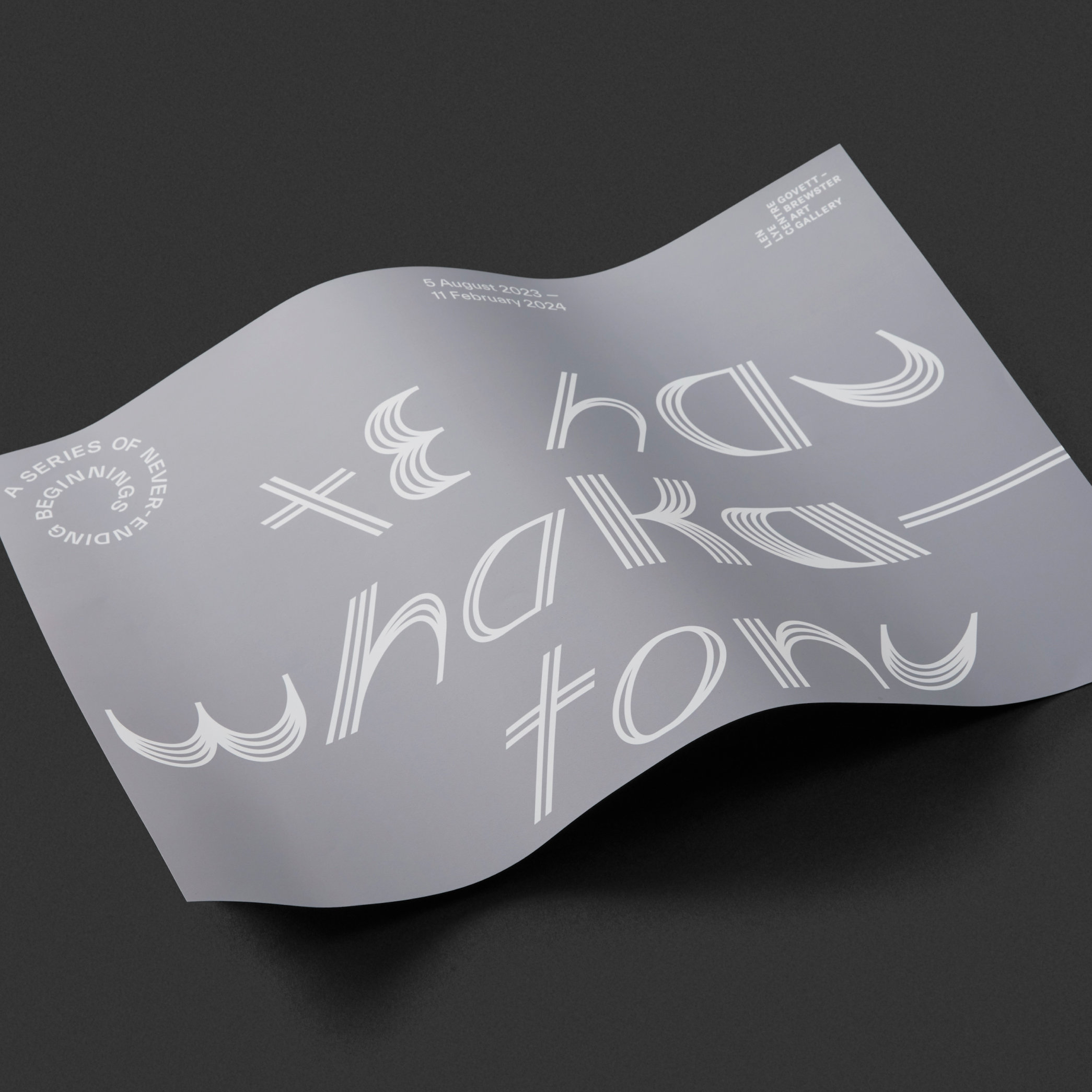
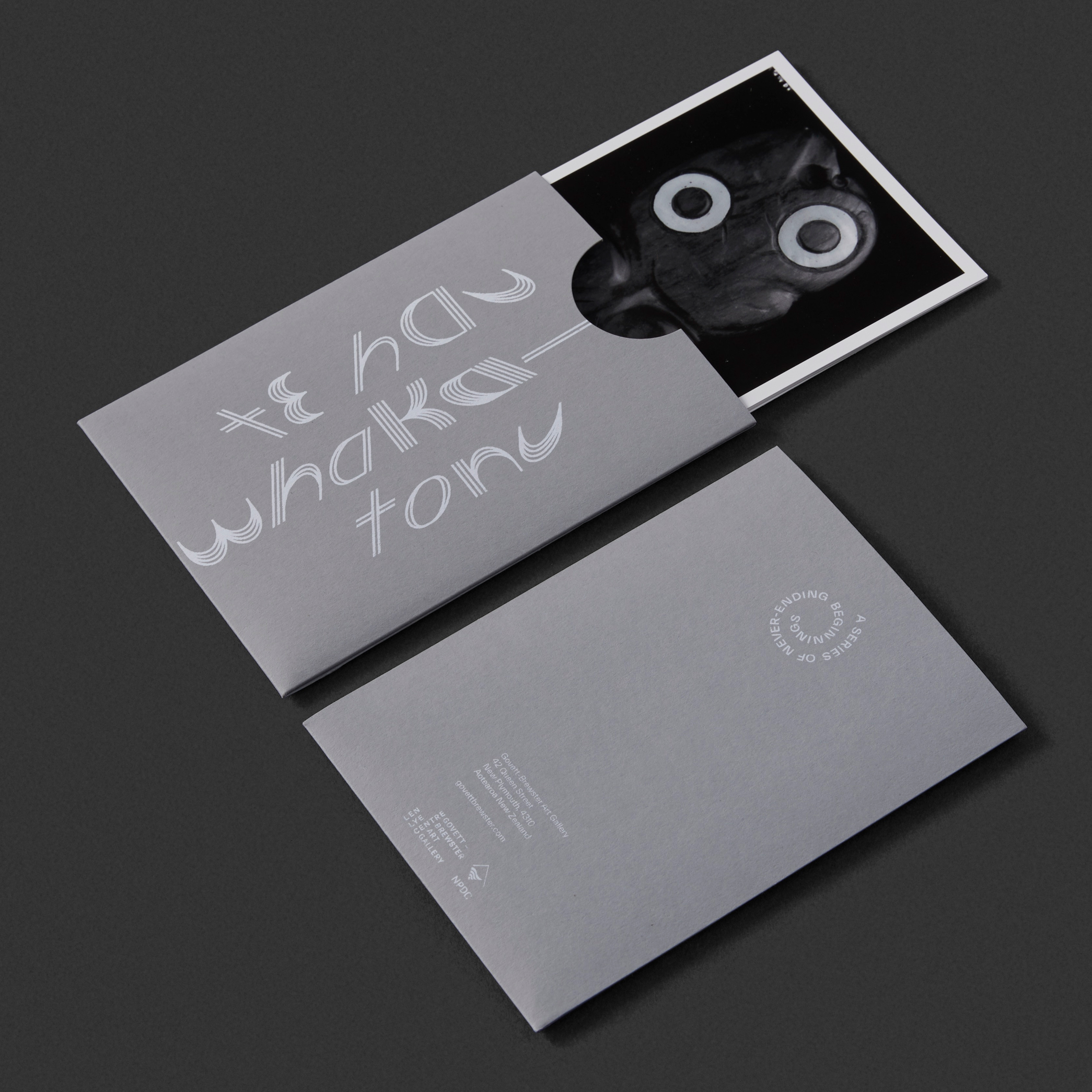
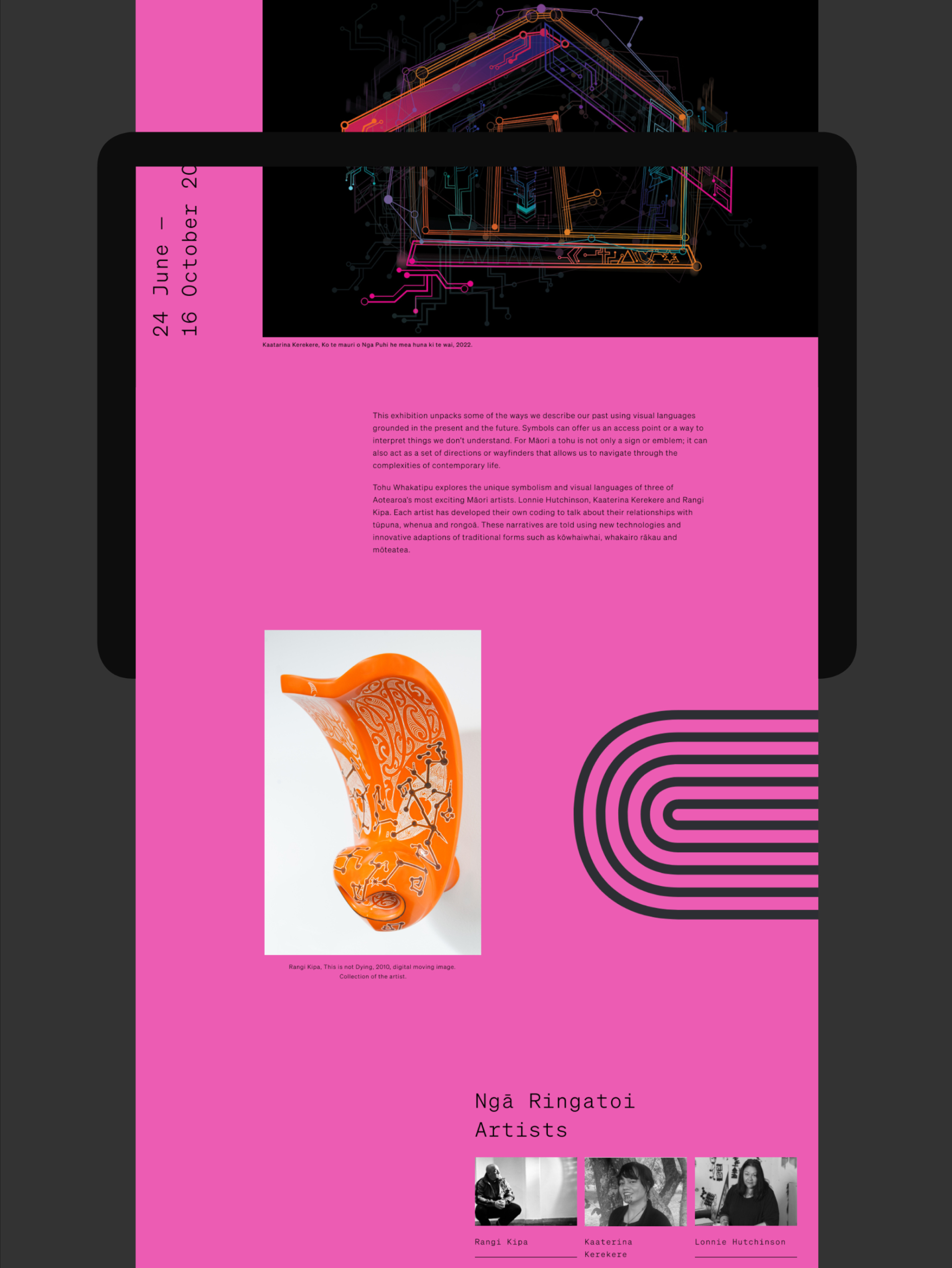
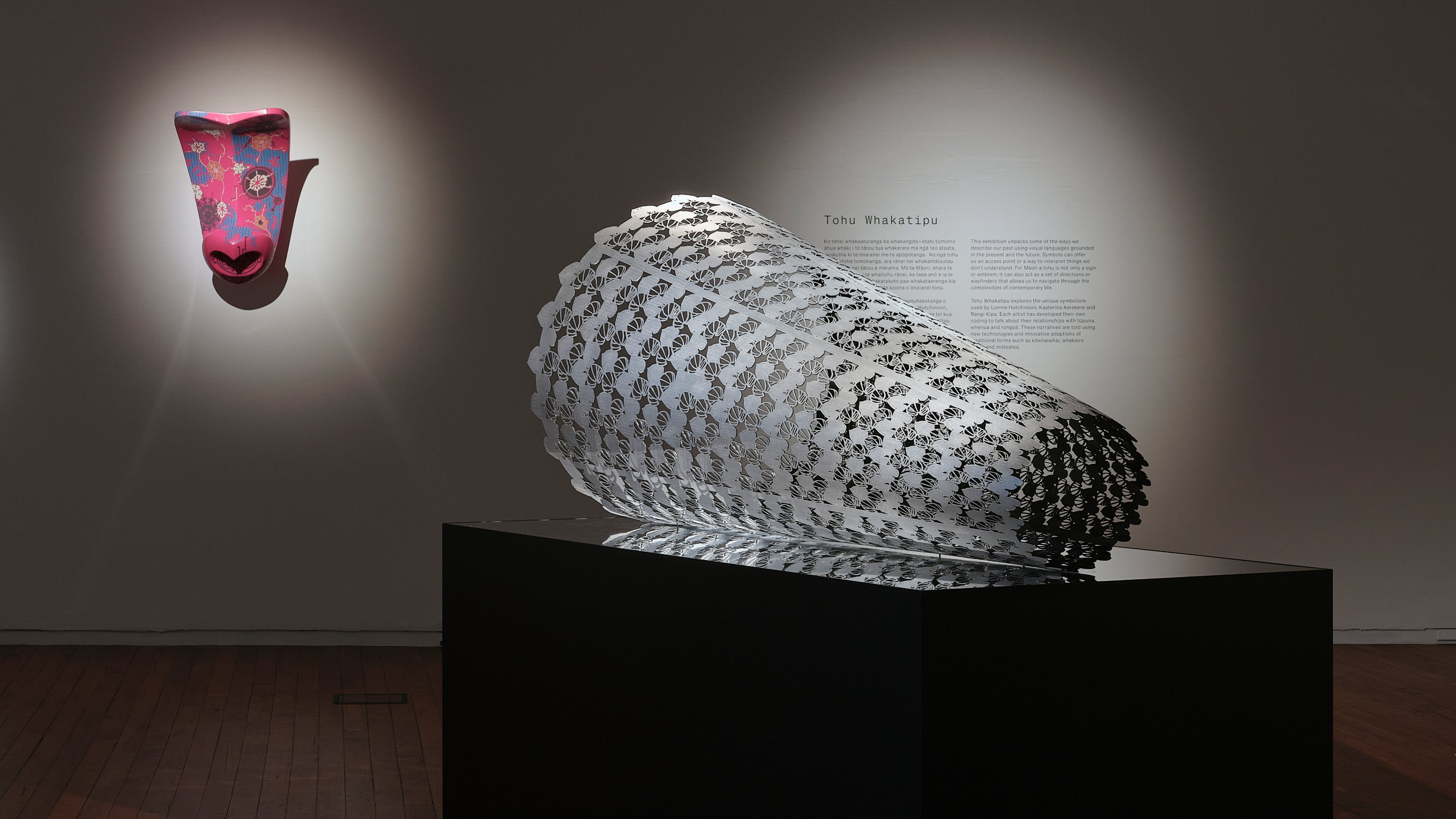
Curated by Karl Chitham, Tohu Whakatipu explored unique visual languages through the exceptional works of artists Rangi Kipa, Kaatarina Kerekere and Lonnie Hutchinson. Symbols can offer us an access point and a way to interpret things we don't understand. For Māori a tohu is not only a sign or emblem; it can also act as a set of directions or wayfinding that allows us to navigate the complexities of contemporary life.
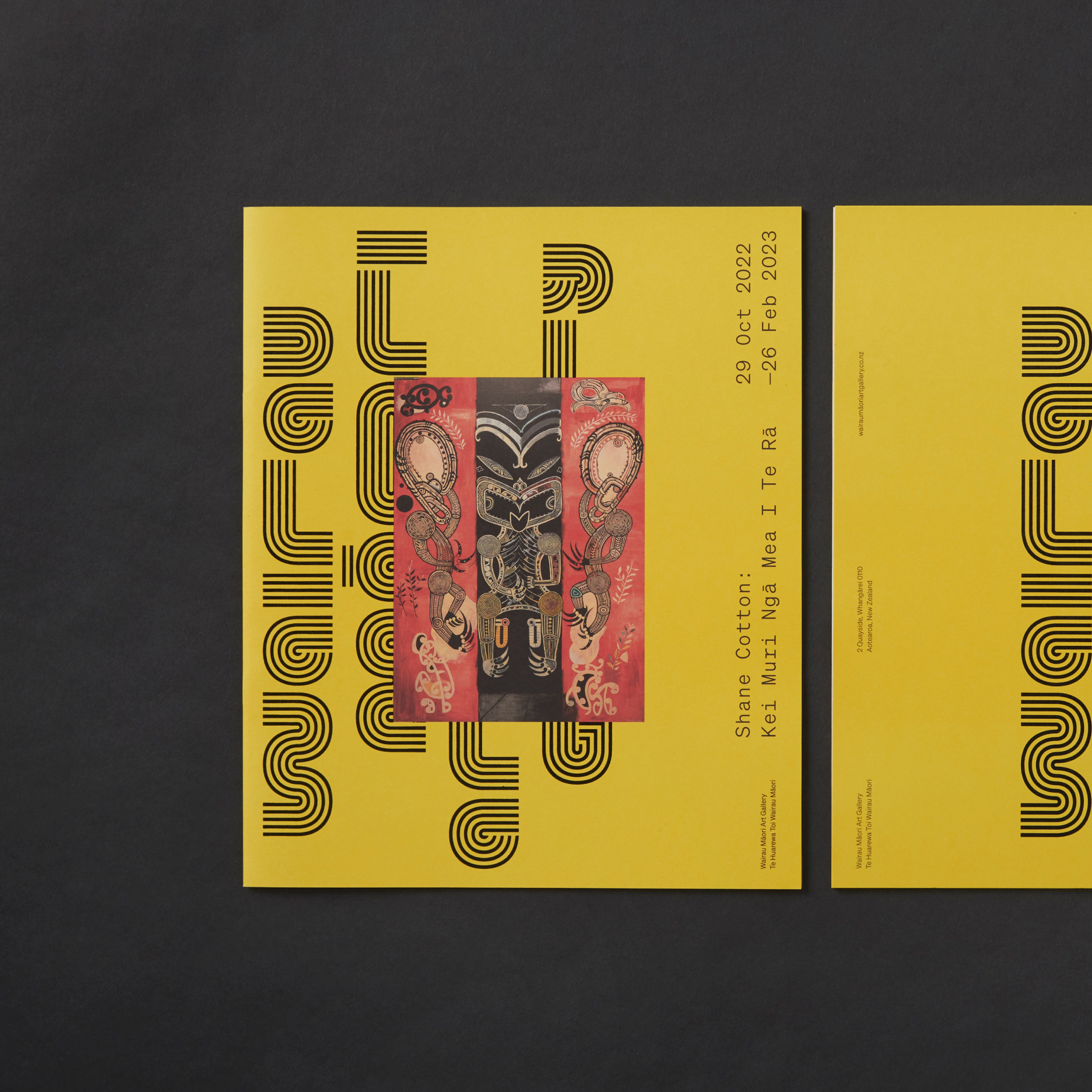
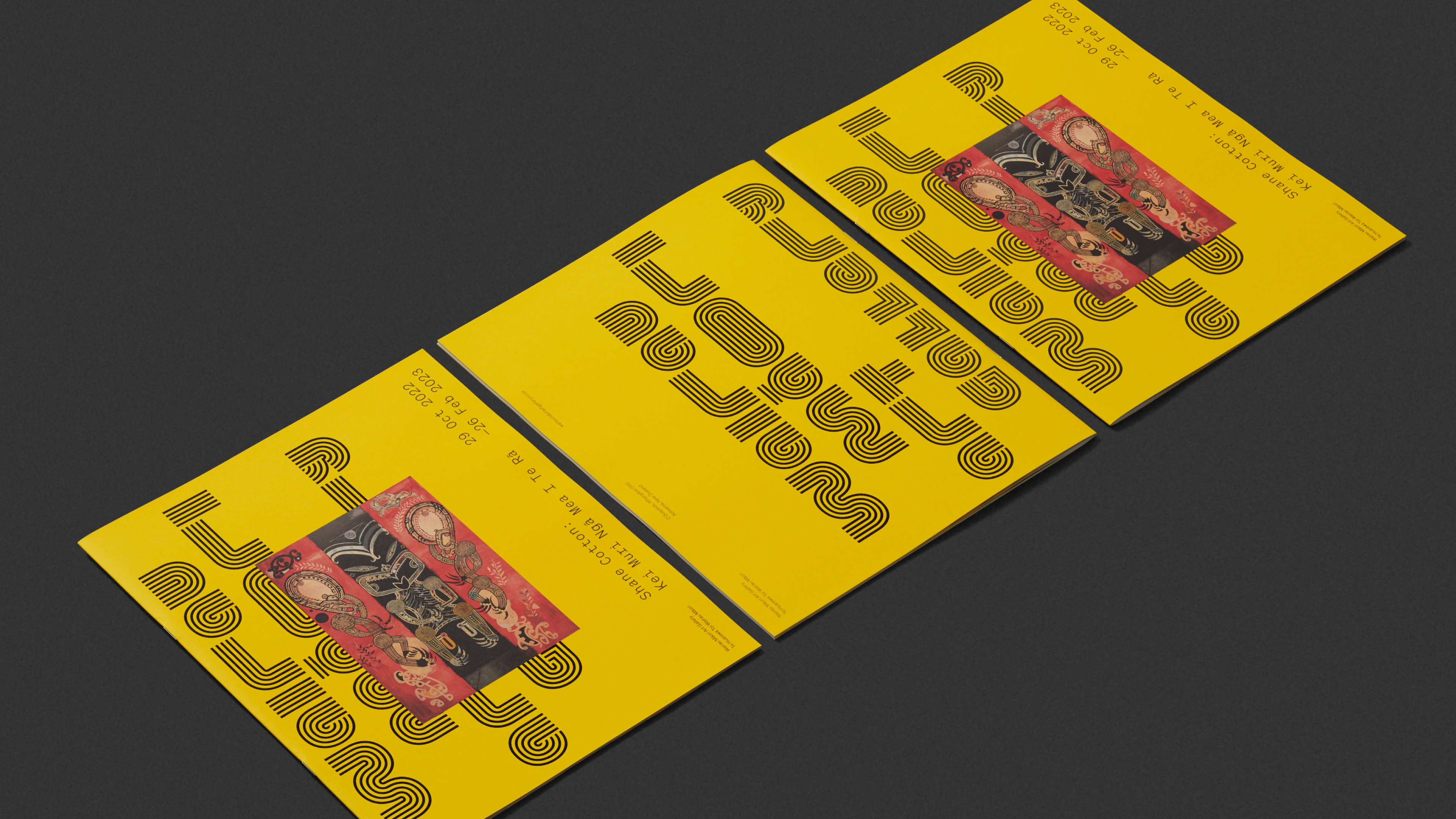
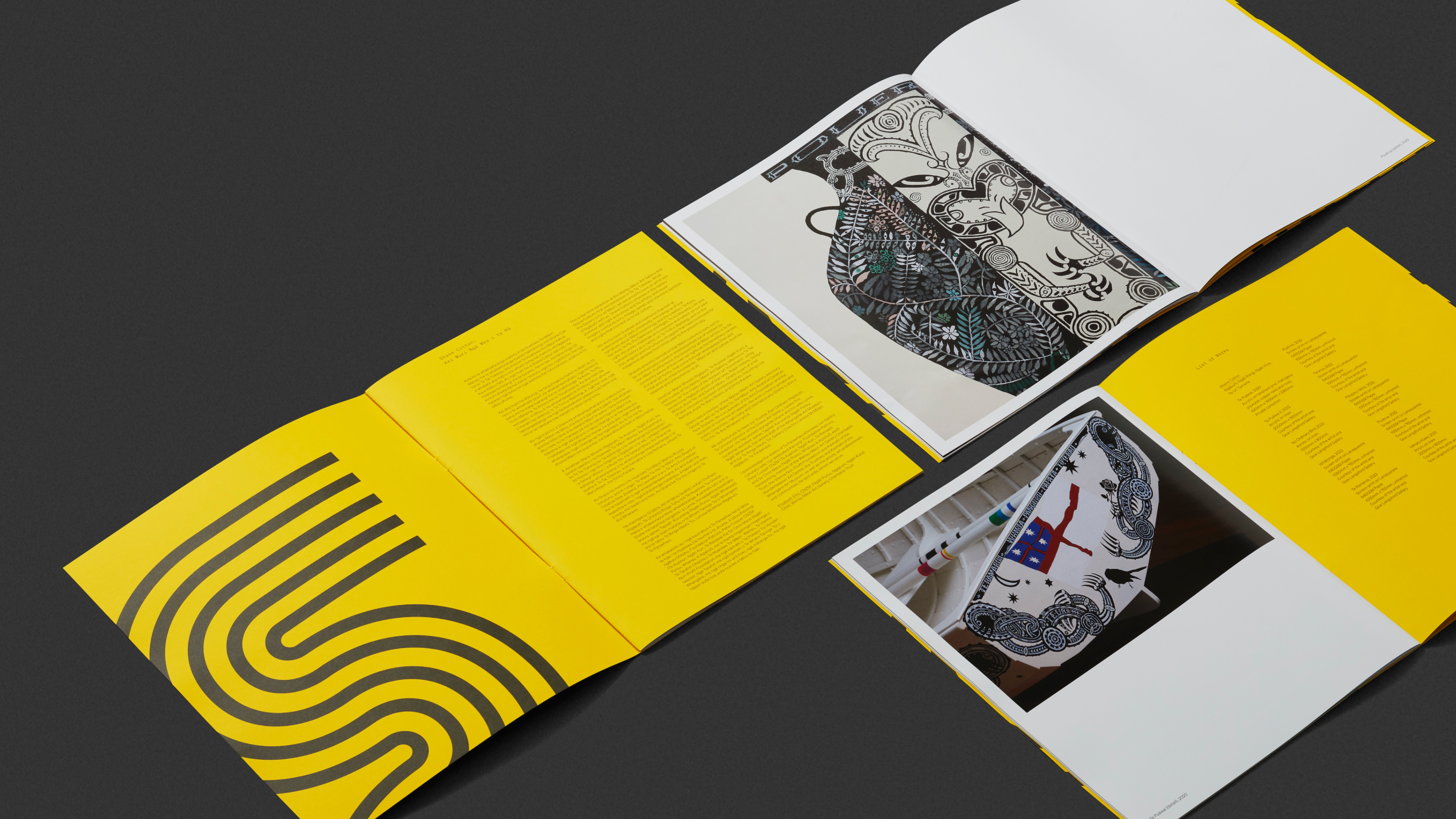
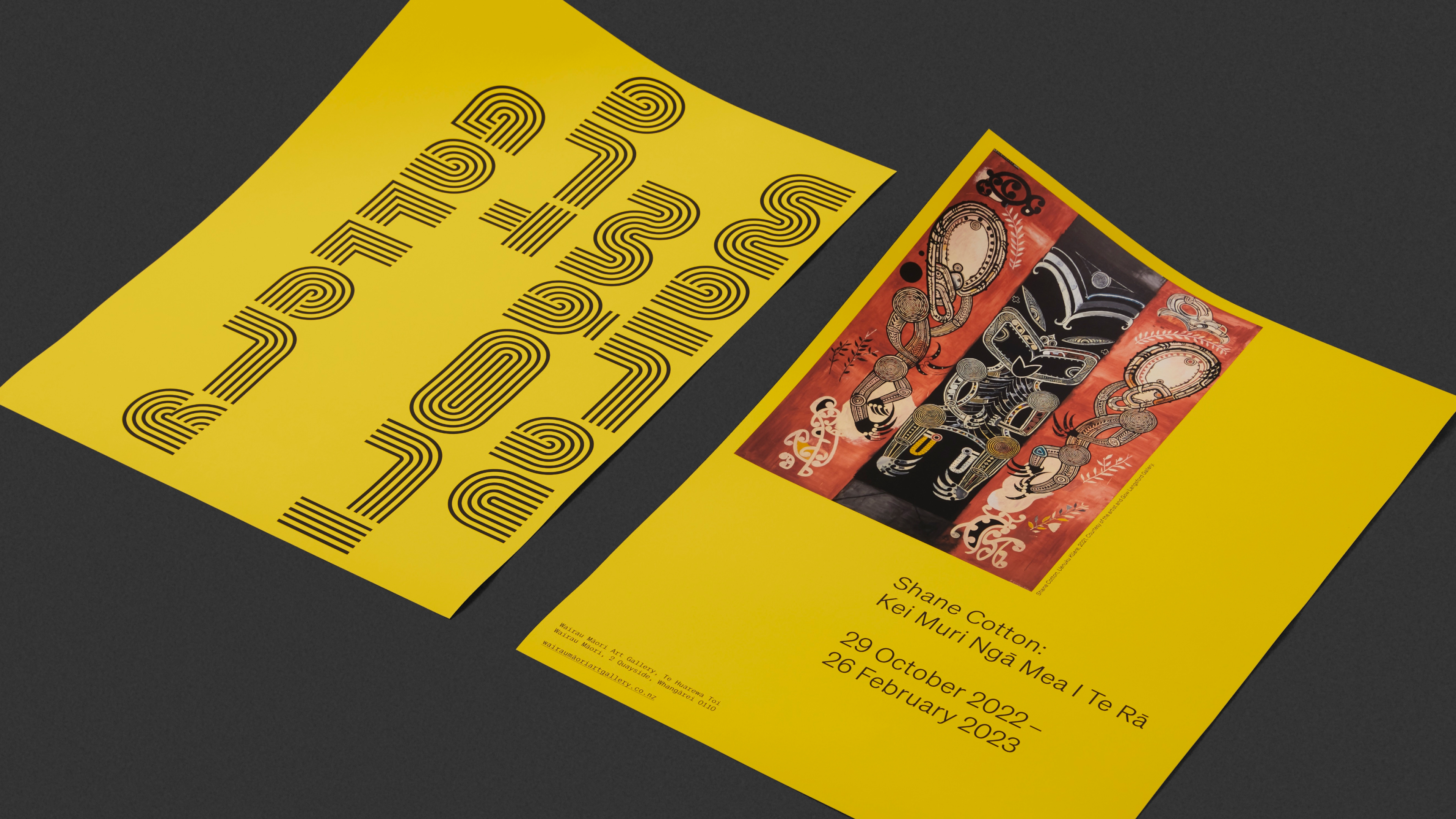
Exhibition – Shane Cotton: Kei Muri ngā Mea i te Rā
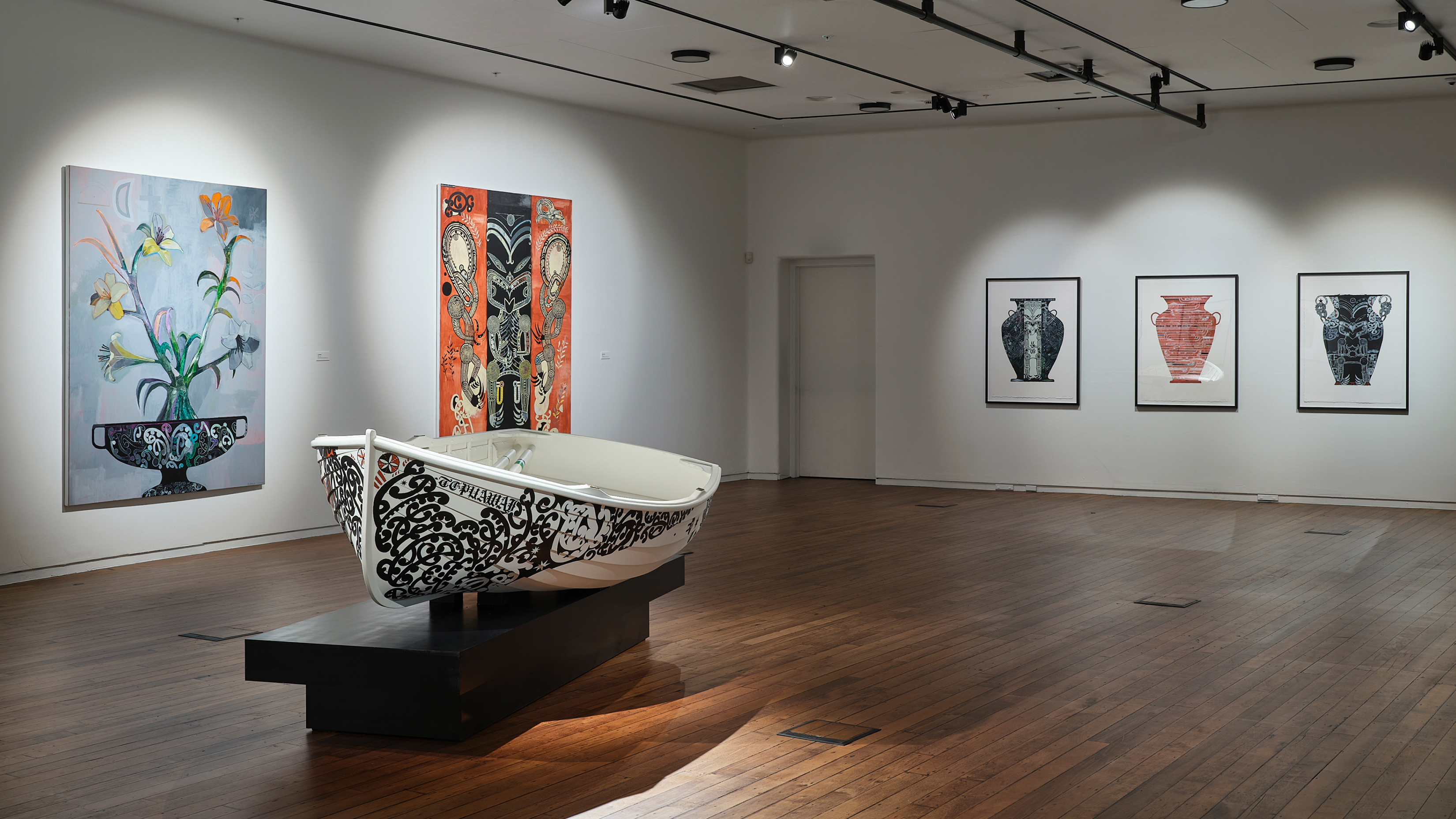
The third exhibition at Wairau Māori Art Gallery marked the first solo exhibition in Te Tai Tokerau for Shane Cotton. Curated by Karl Chitham and James Tapsell Kururangi, the exhibition references Ngāpuhi tūpuna, important landmarks within the region and is composed of new and recent works, paintings, screen prints and sculptural forms grounded in the exploration and possibility of meaning, and the unending search to know and understand more about who we are and where we are from.
Exhibition – Te Whanga a Reipae
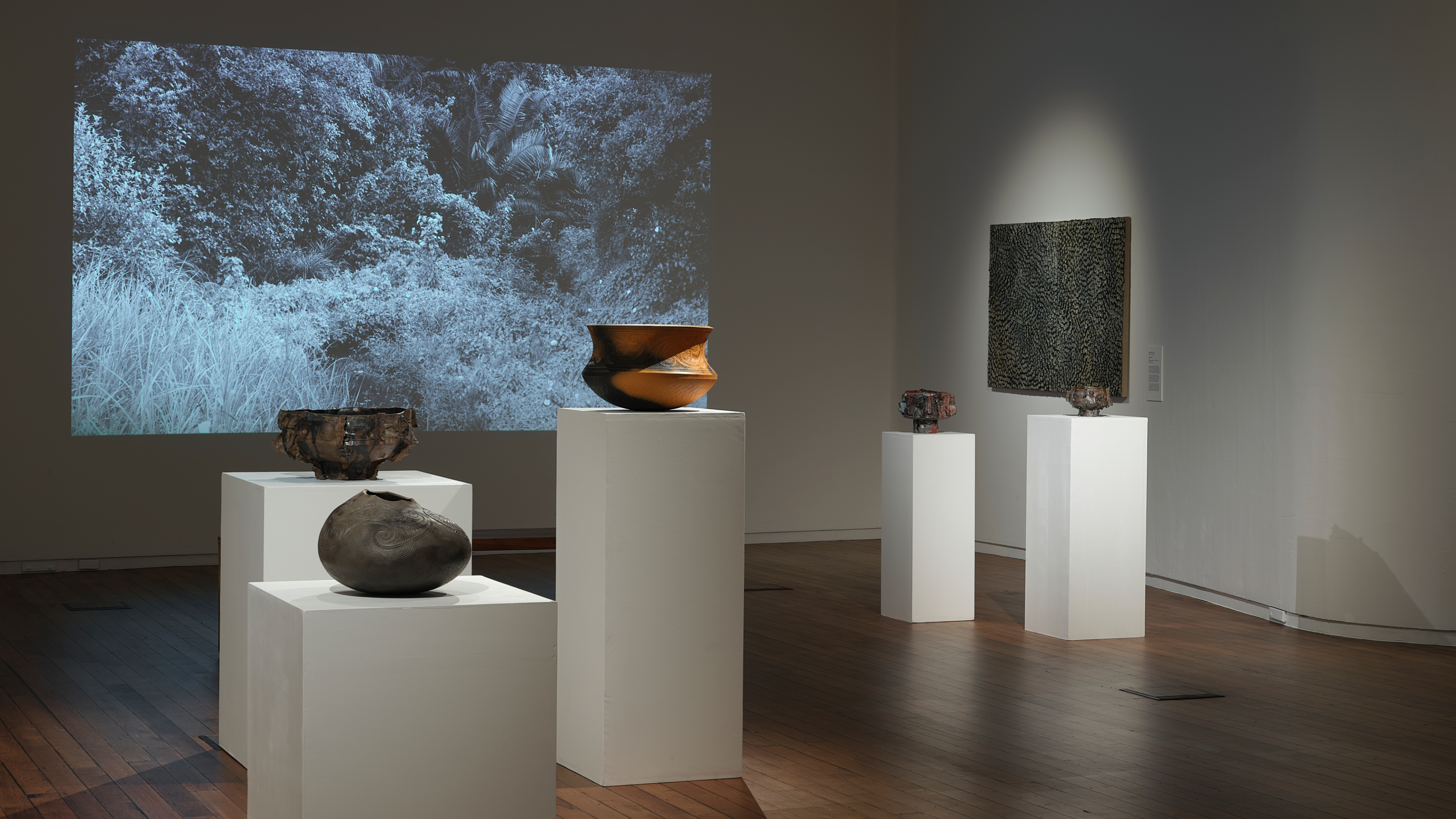
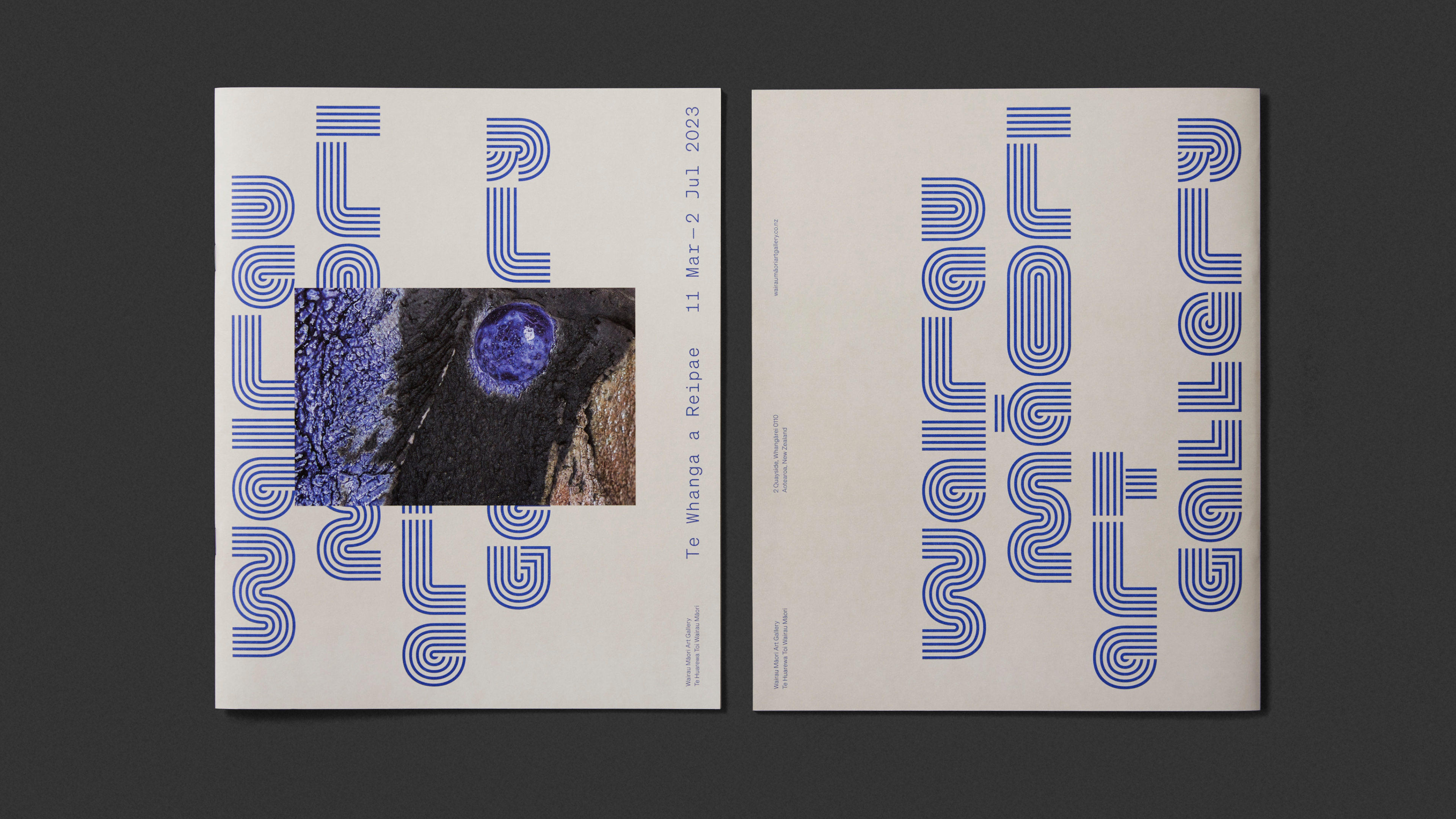
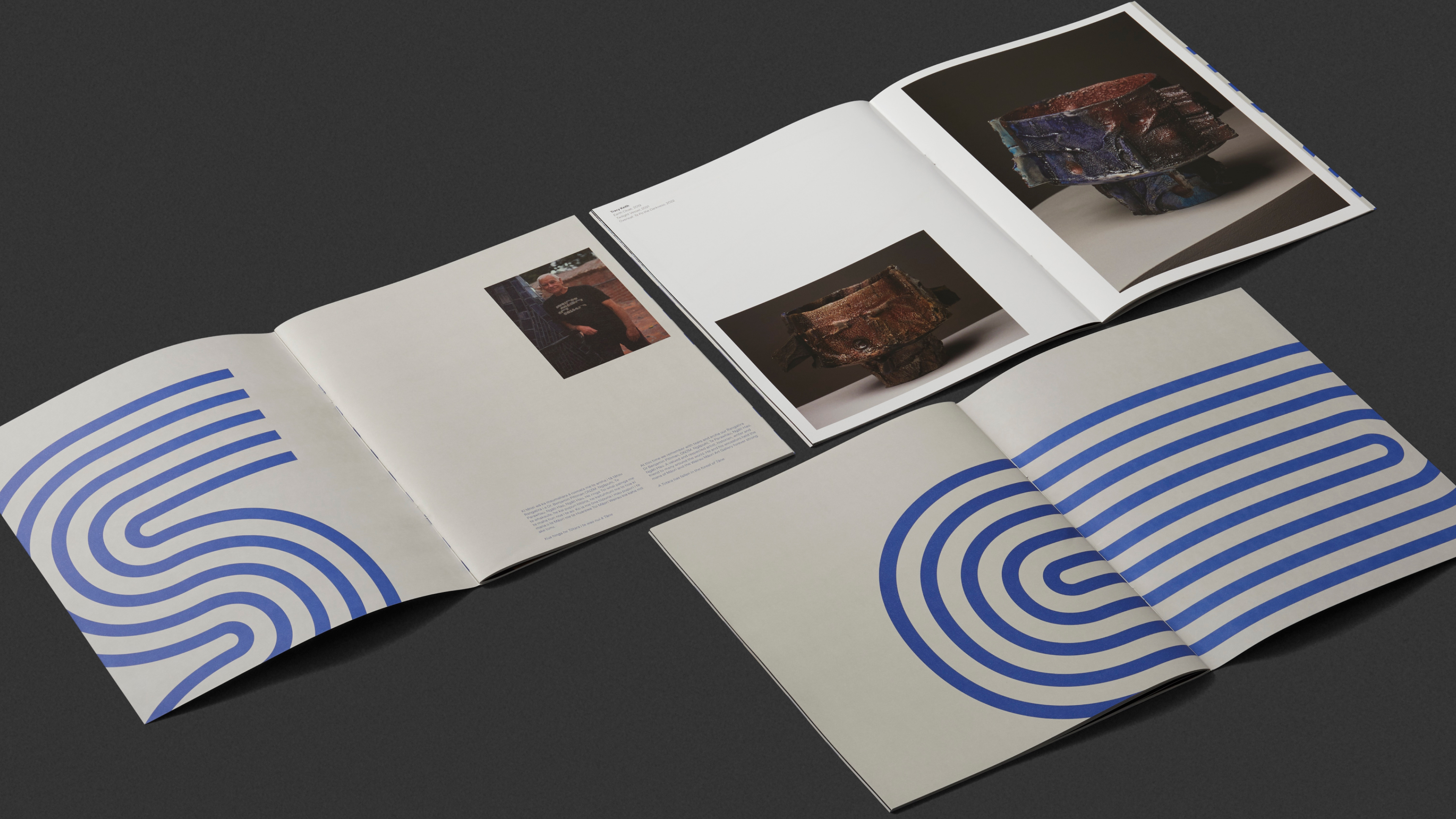
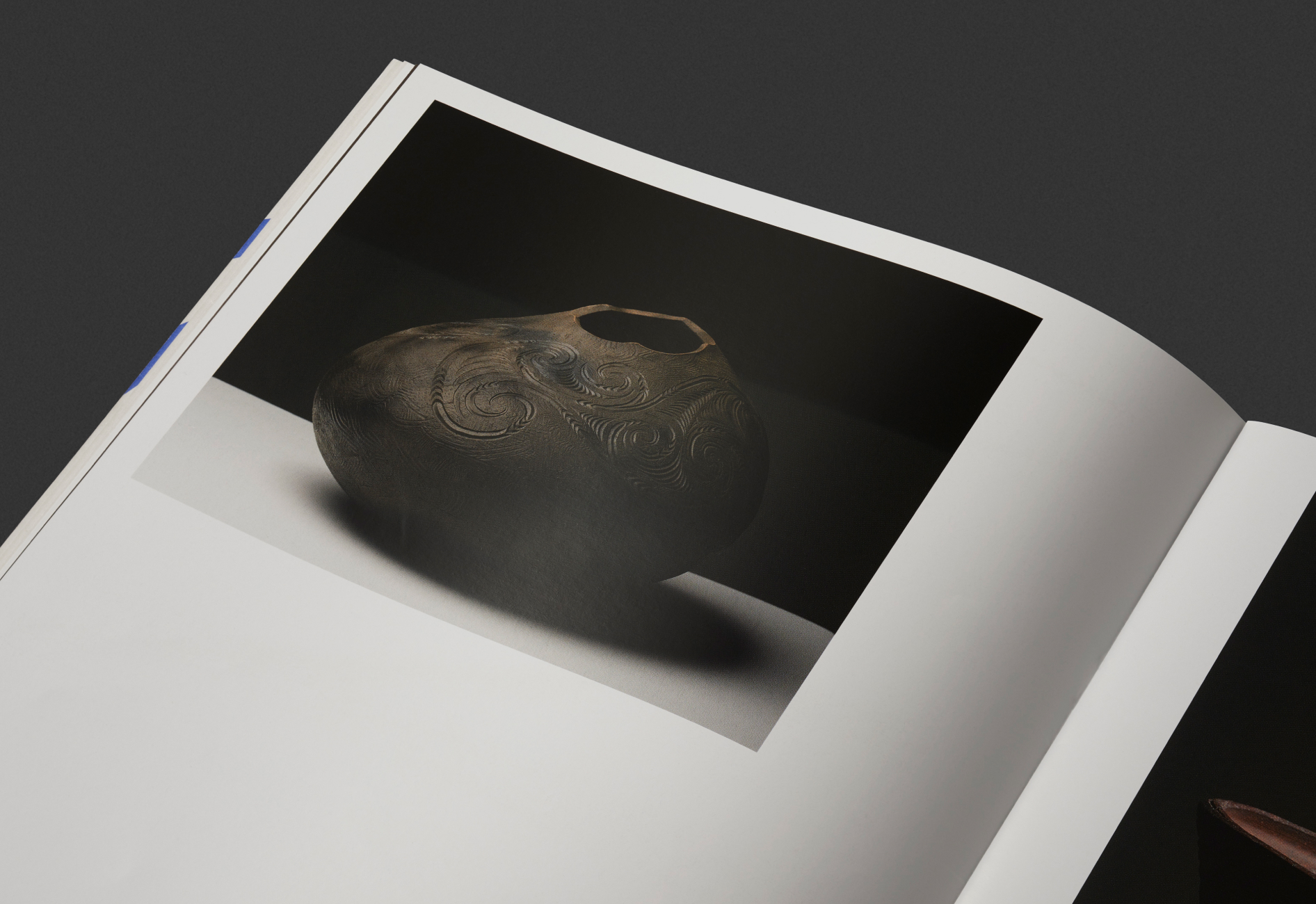
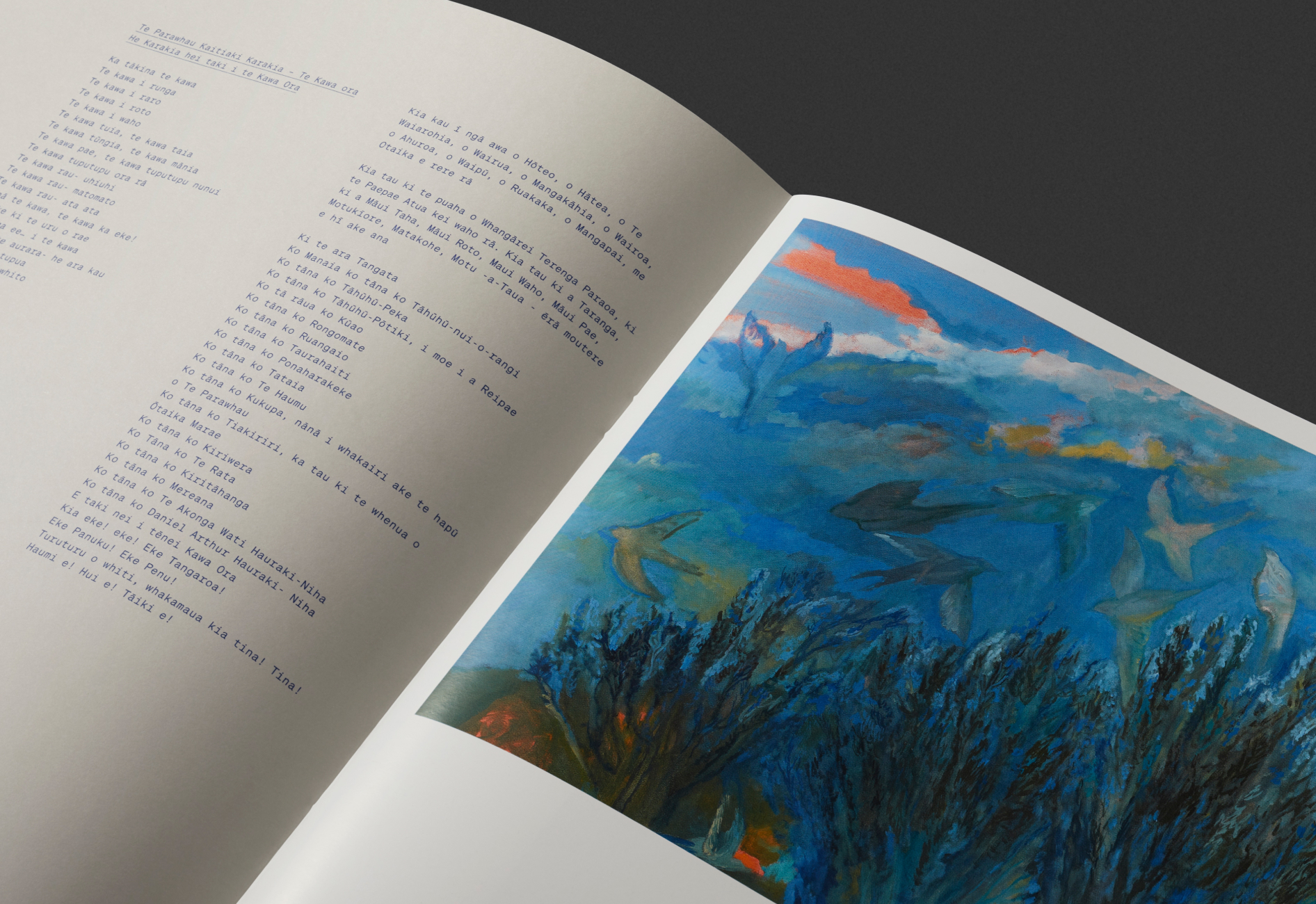
Bringing together the work of Aroha Gossage, Star Gossage, Amorangi Hikuroa, Tracy Keith, Jeremy Leatinu’u and Raukura Turei, Te Whanga a Reipae considers whakapapa as a force for connection rather than division. Across painting, uku, sculpture and moving image, the artists explore relationships to whenua, language, ancestry and one another to reveal the enduring ties that bind people and place.
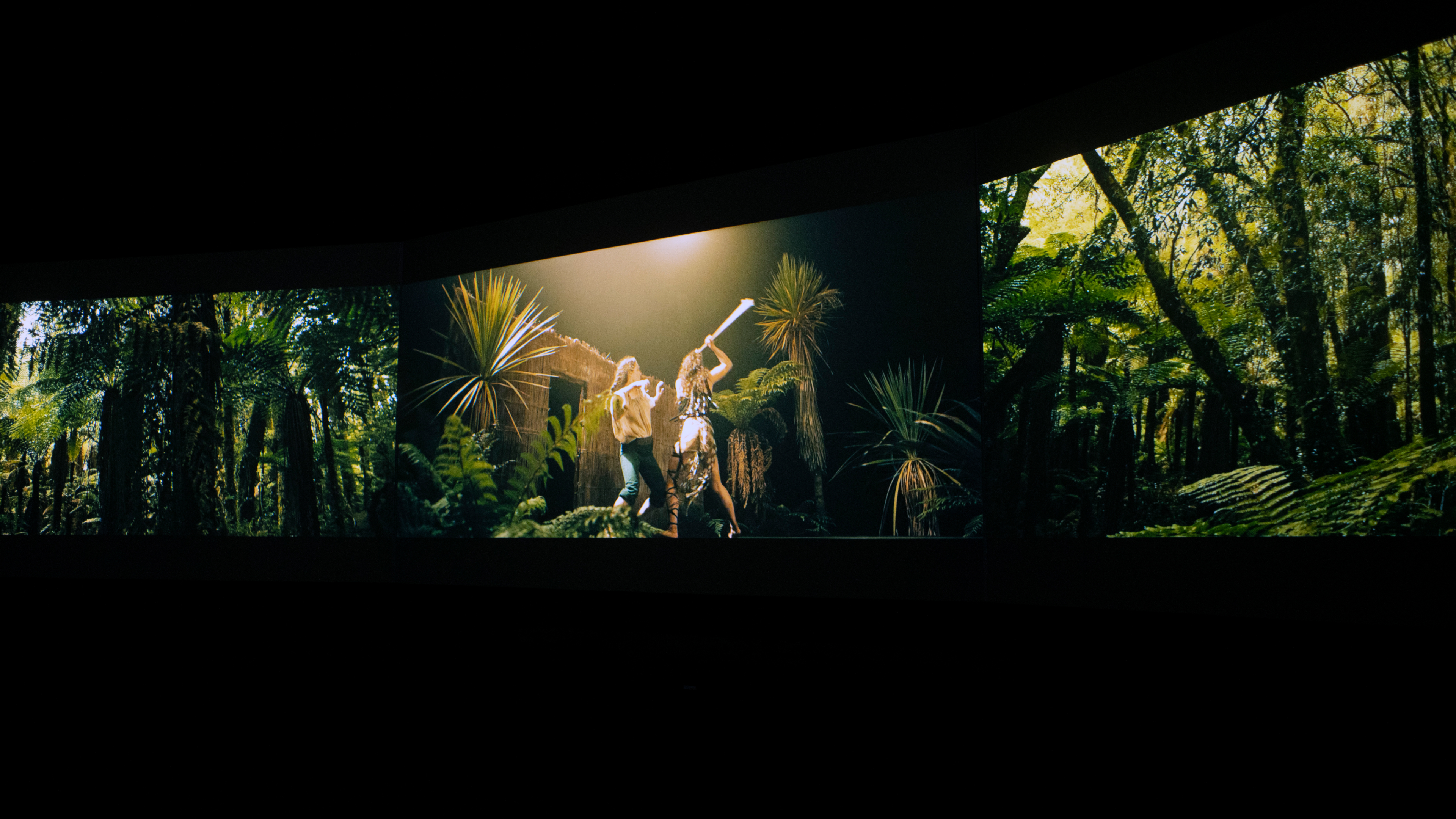
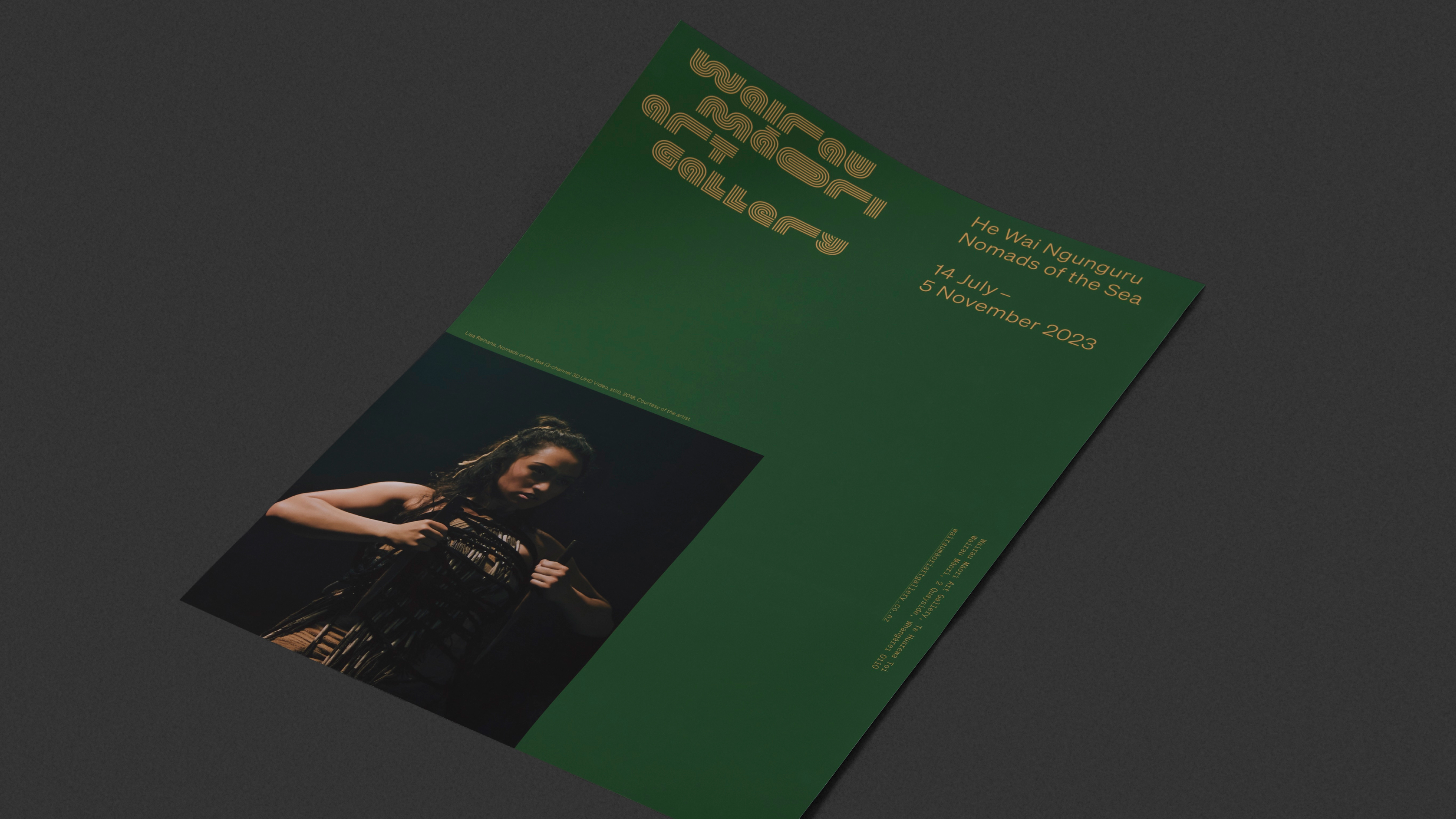
Exhibition – Lisa Reihana: He Wai Ngunguru – Nomads of the Sea
Through an immersive moving-image installation, Reihana brings together the stories of Pākehā mutineer Charlotte Badger and Ngāpuhi woman Puhi, examining the shifting relationships between gender, power, cultural leadership and colonial influence. Moving between Māori and European perspectives, the work reimagines history as a space of tension and entanglement, asking us to consider whose stories are remembered, and how they continue to shape the present.