Whanganui UNESCO City of Design
Client: Whanganui + Partners Whanganui Council | Collaborators: Cecelia Kumeroa Sons&Co |
Connecting centuries of creativity with the distinctive qualities of place
As humans, our ability to design has shaped distinctive cultures around the world - expressed through language, art, objects, architecture and ways of life. These are all responses to place: ways of negotiating our environment and learning from nature, the ultimate design system.
In a globalised world, one of the great challenges is maintaining a clear connection to who we are. When Whanganui was awarded UNESCO City of Design status in November 2021, joining the UNESCO Creative Cities Network, the opportunity was bigger than a designation. It was a chance to articulate a shared identity grounded in this place, elevate Whanganui’s design heritage, add value to the things made here, and create something the whole community could carry forward.
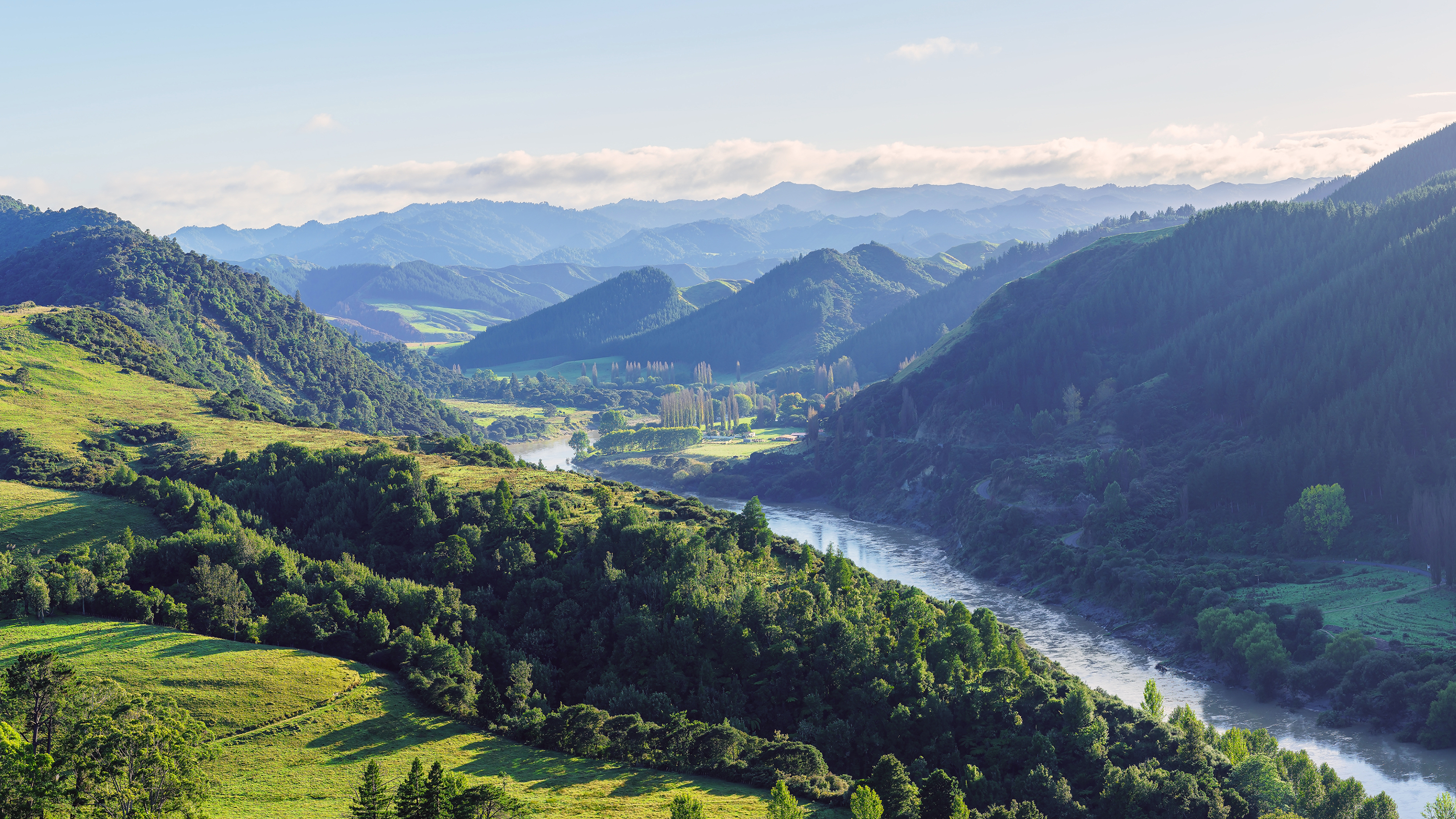
Design shaped by the awa
To understand the character of design in Whanganui, we look to the awa and its relationship with people. The river is inseparable from the story of this place, an enduring presence that flows through the city and district, connecting generations of creative practice.
The awa is always flowing and evolving. It begins at a single wellspring – te mātāpuna, then builds its momentum. Tributaries merge and interweave, contributing to its direction, and it moves with intent and purpose, adapting to the conditions until it reaches its destination, the moana.
Much like the awa shaping the land through which it flows and nourishing its people, design should create a positive impact and leave a lasting impression on people and place.
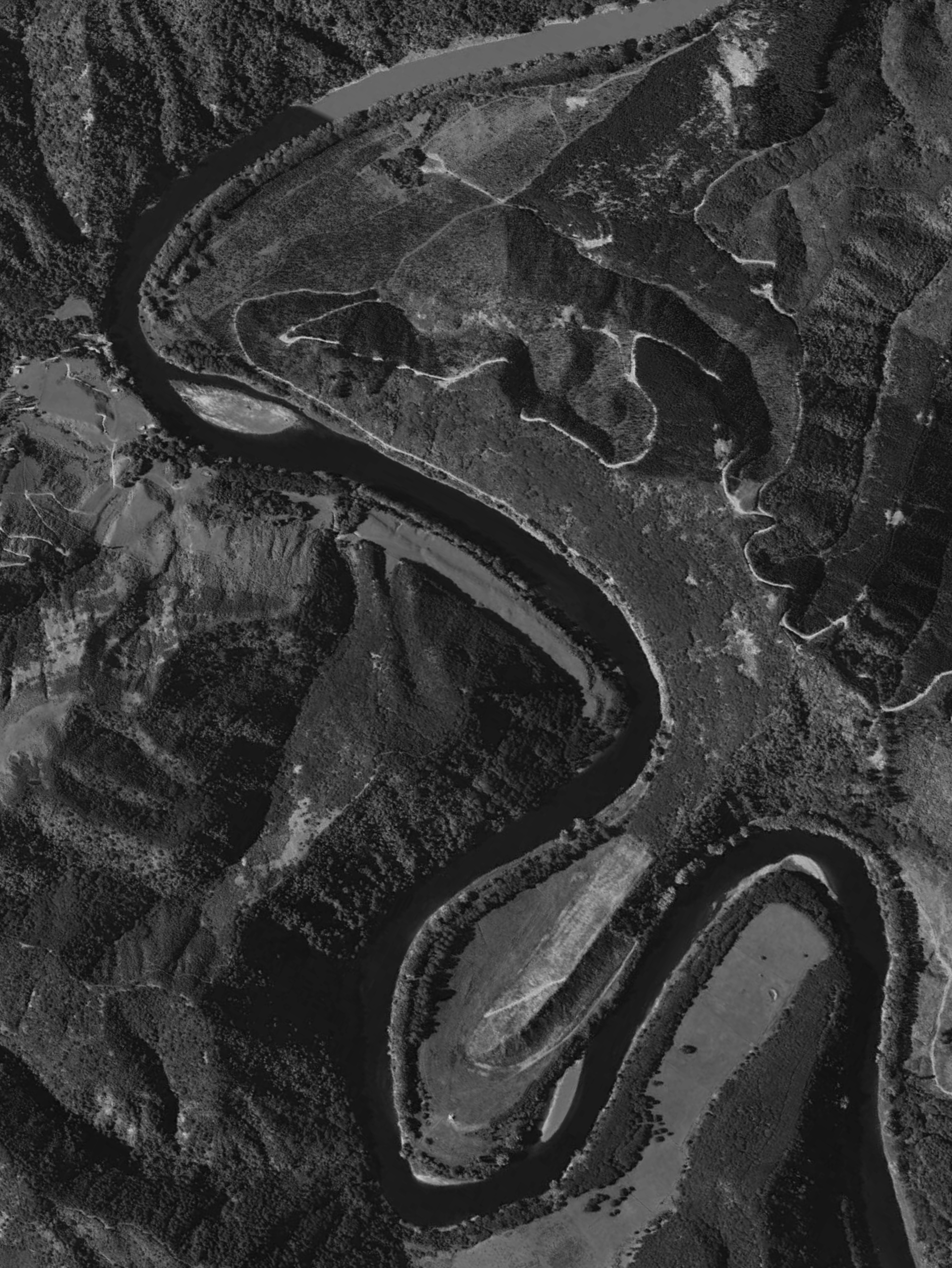
Ko au te awa, ko te awa ko au
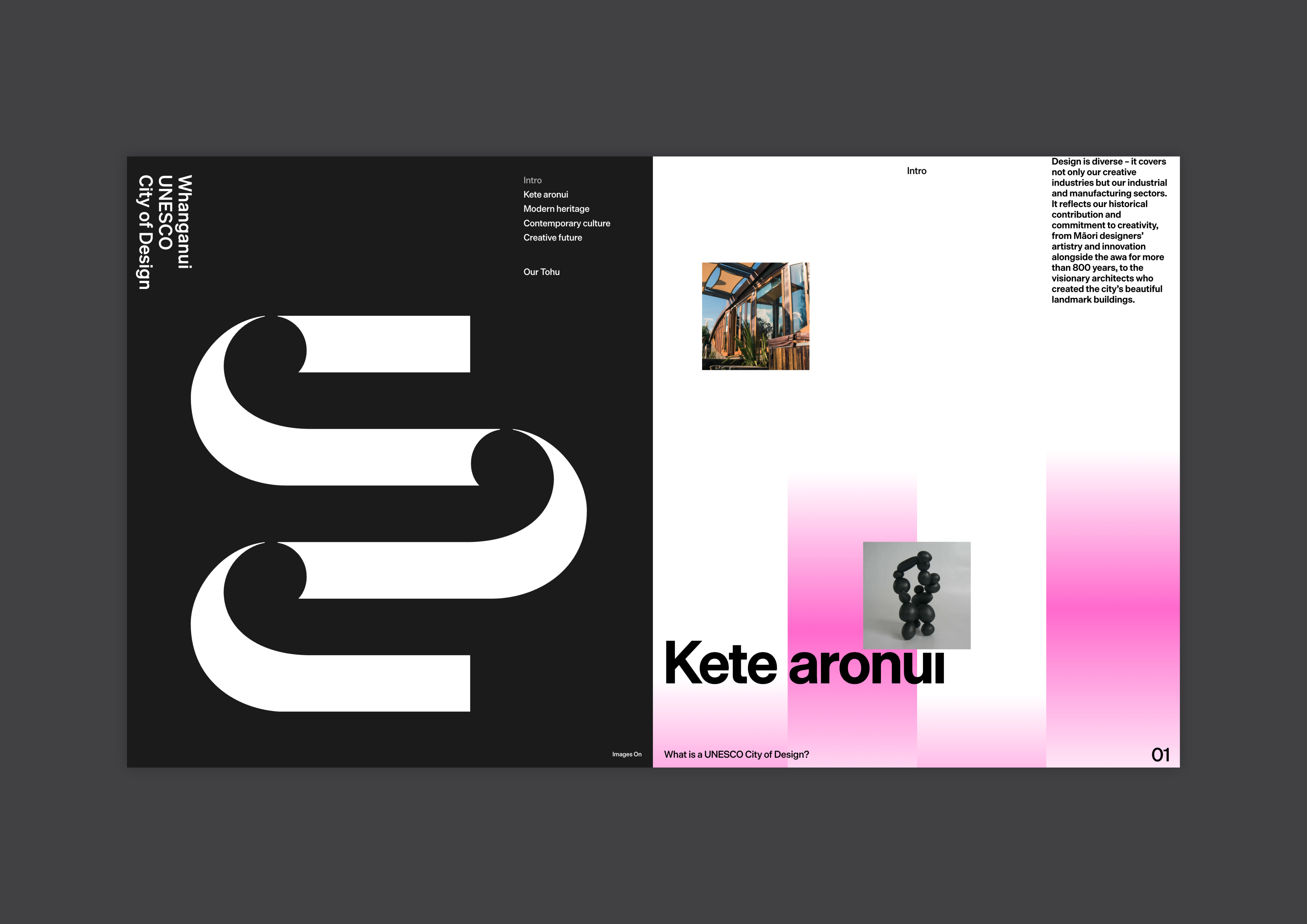
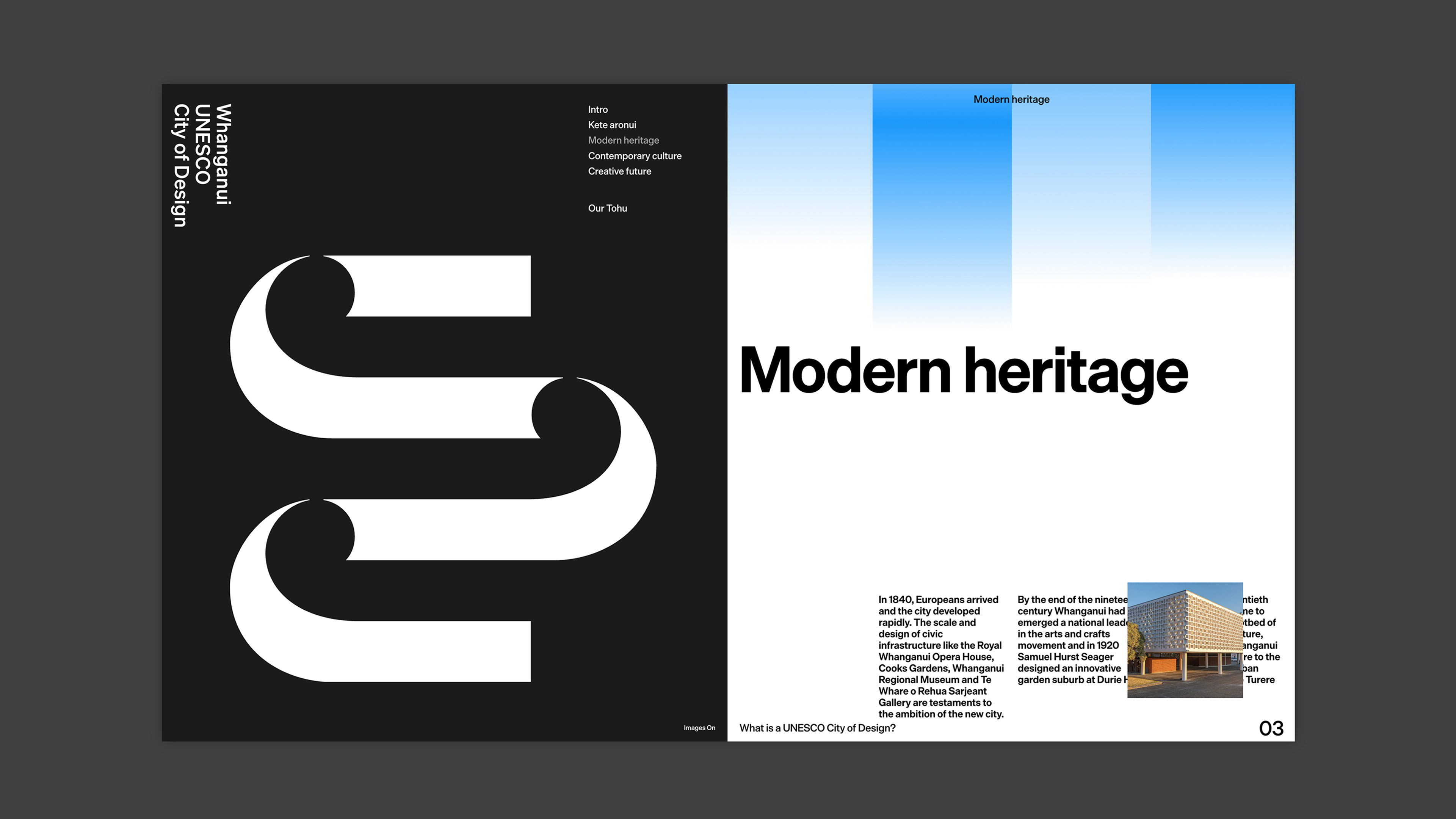
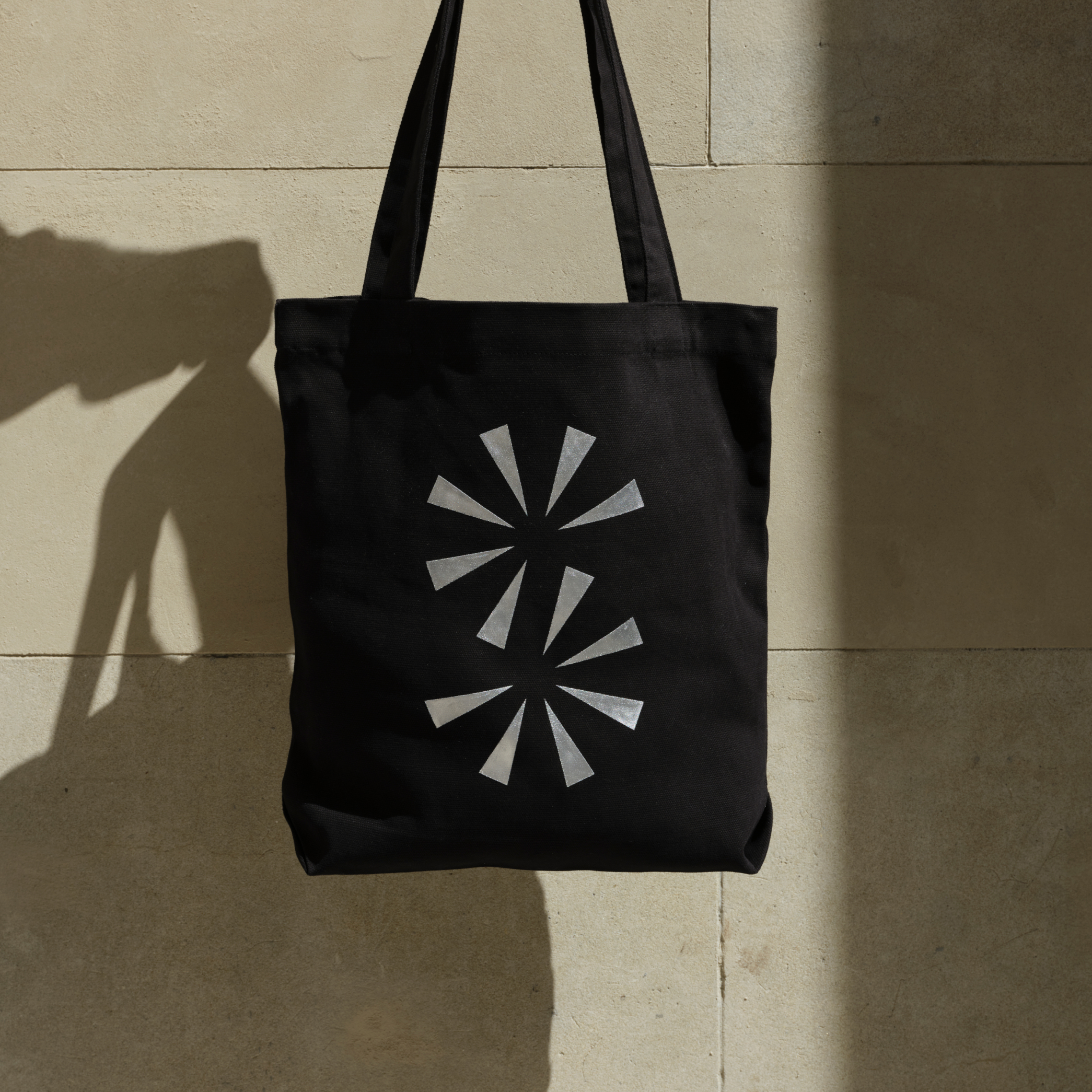
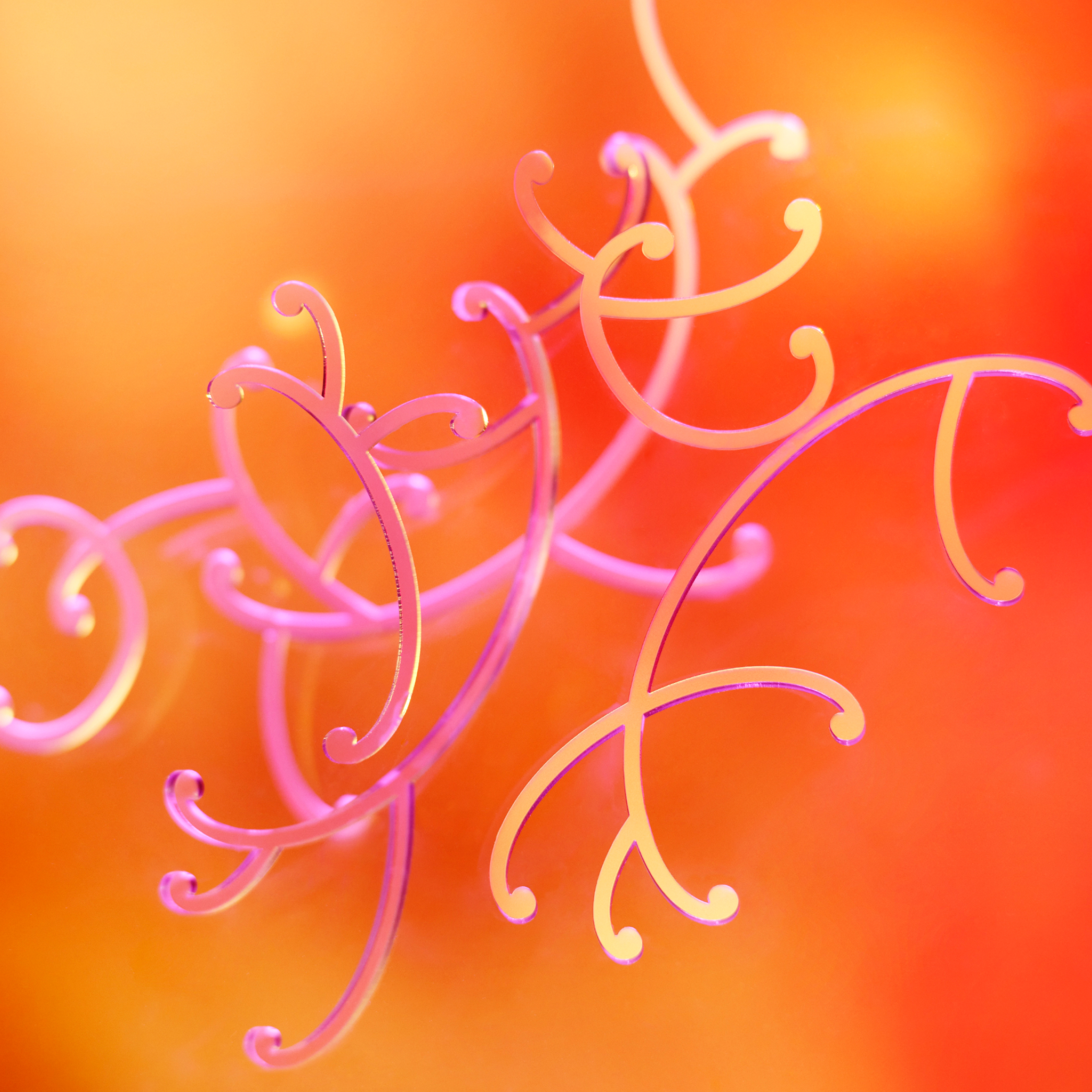
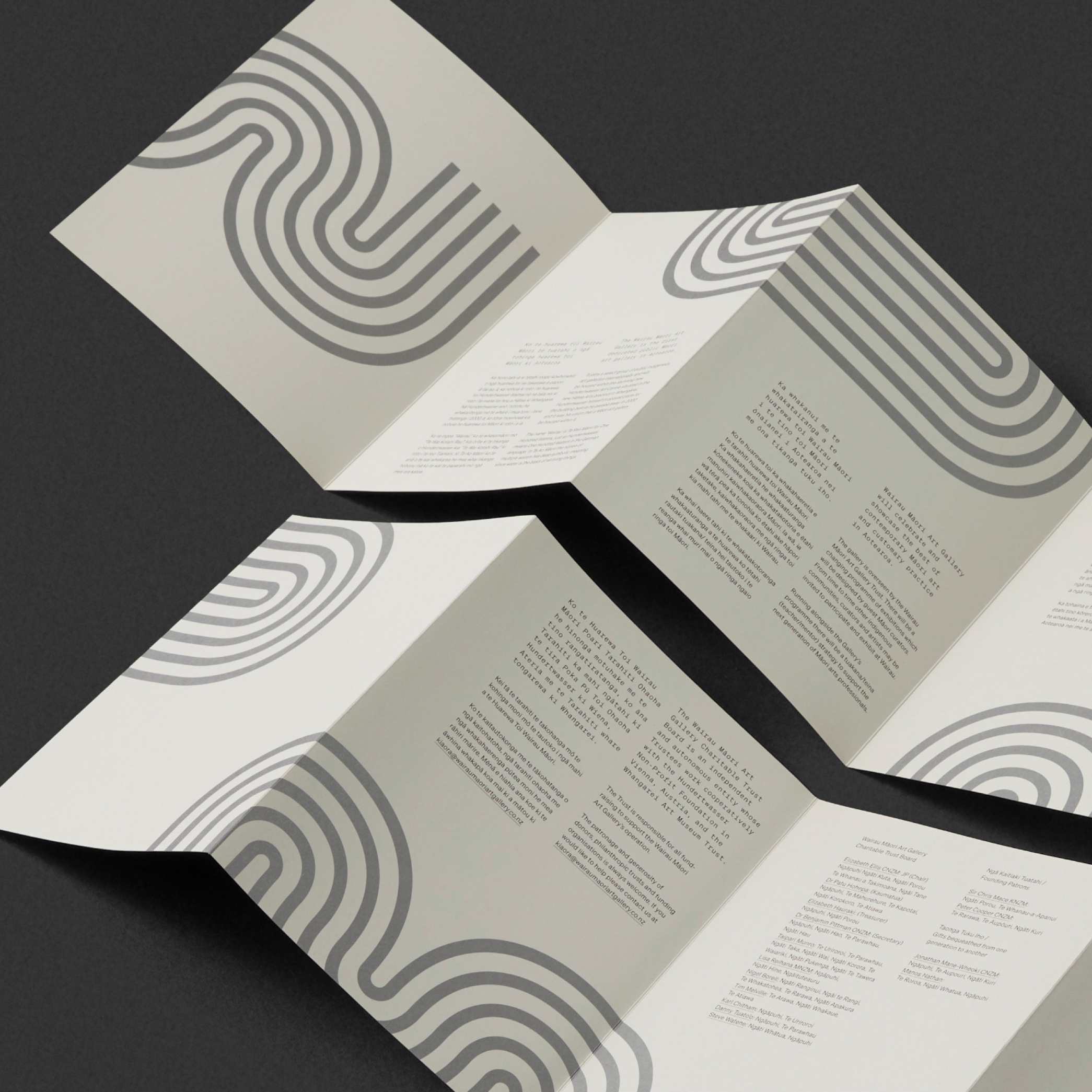
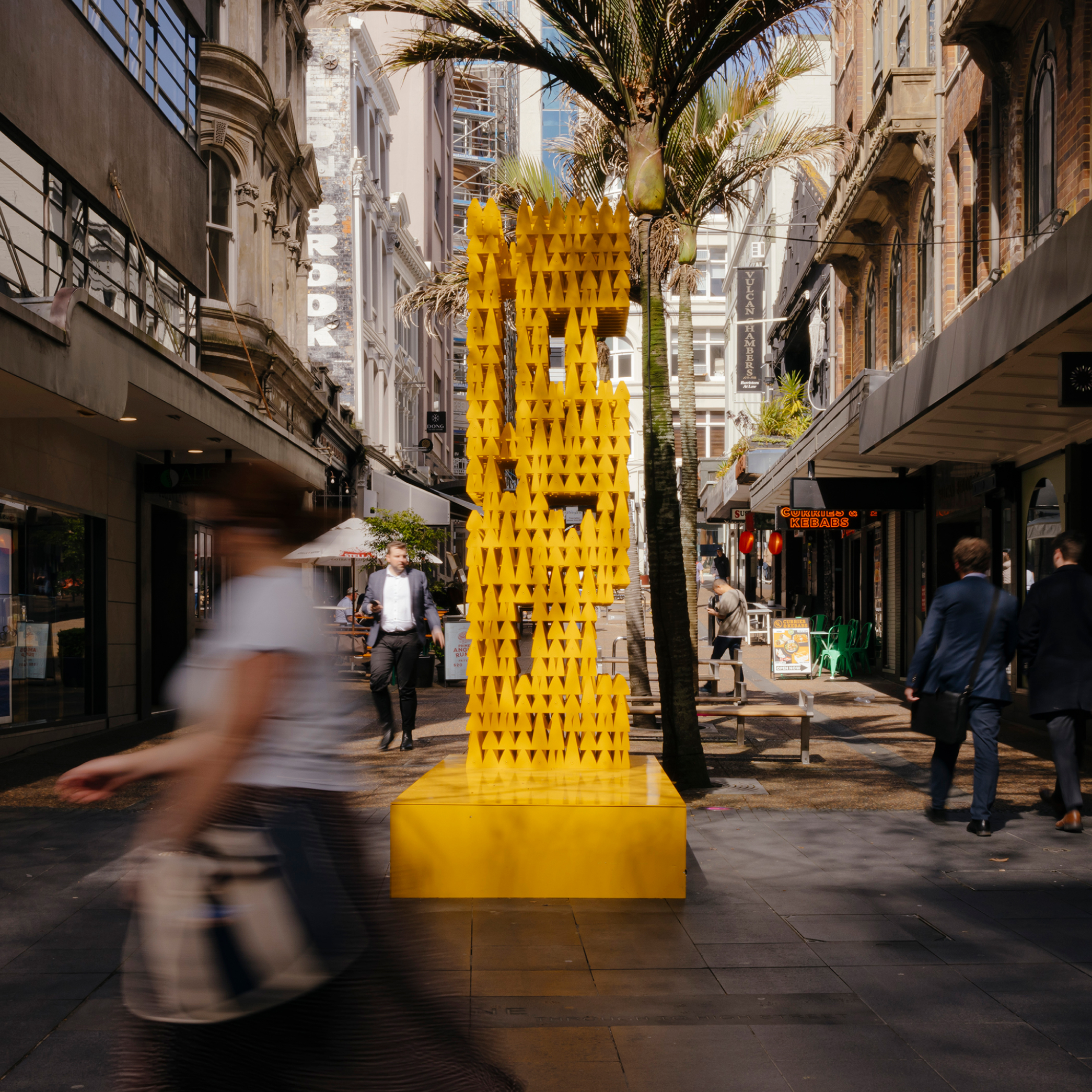
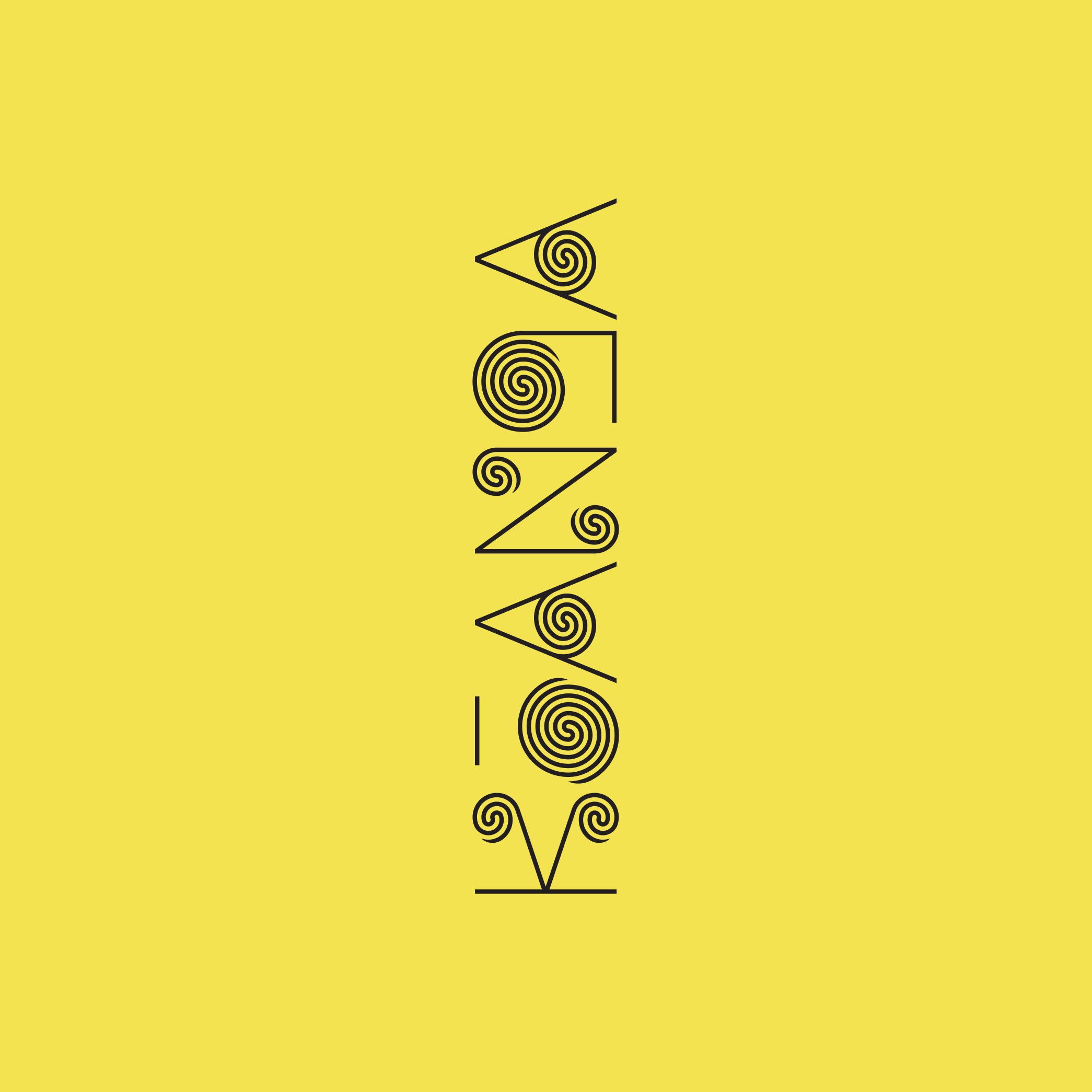
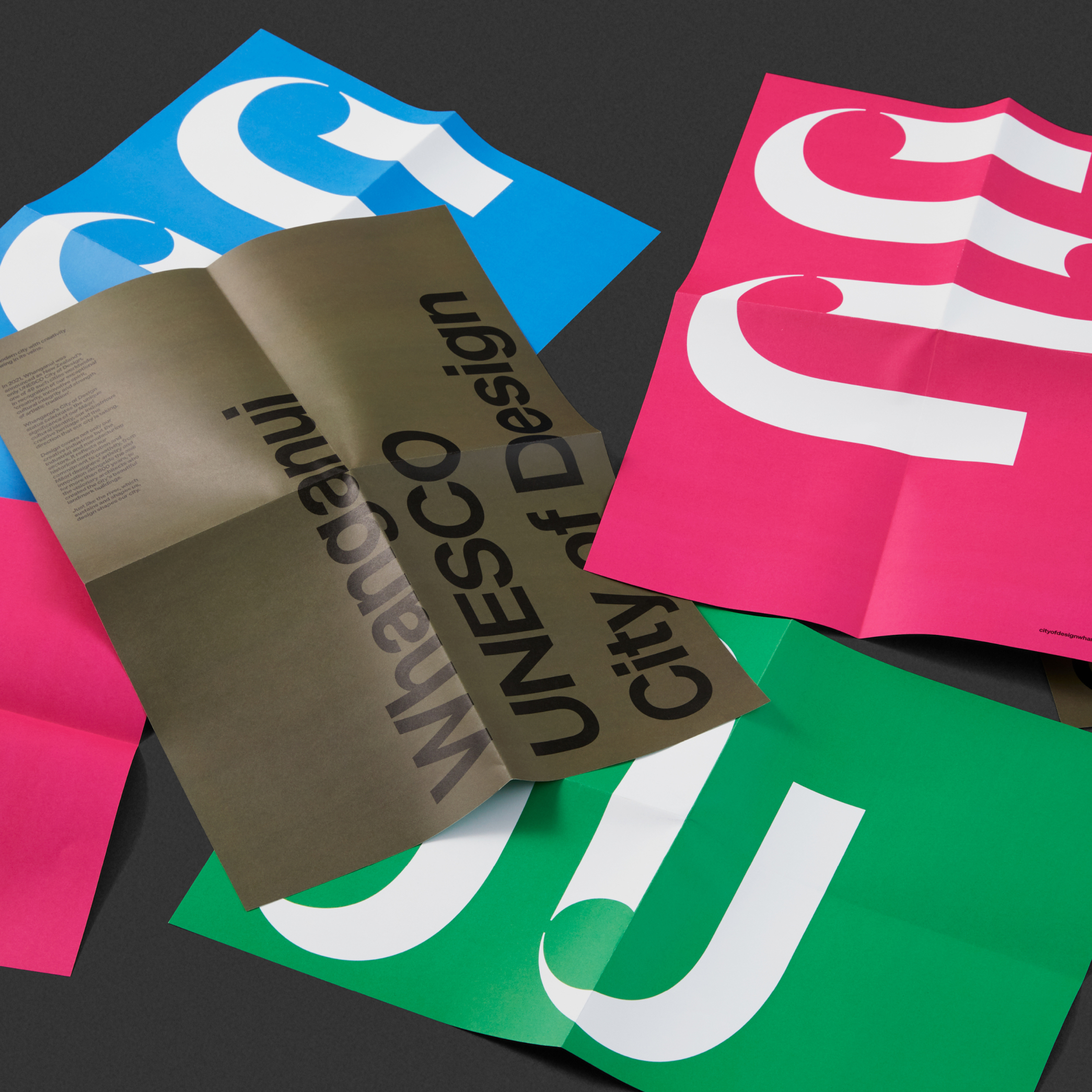
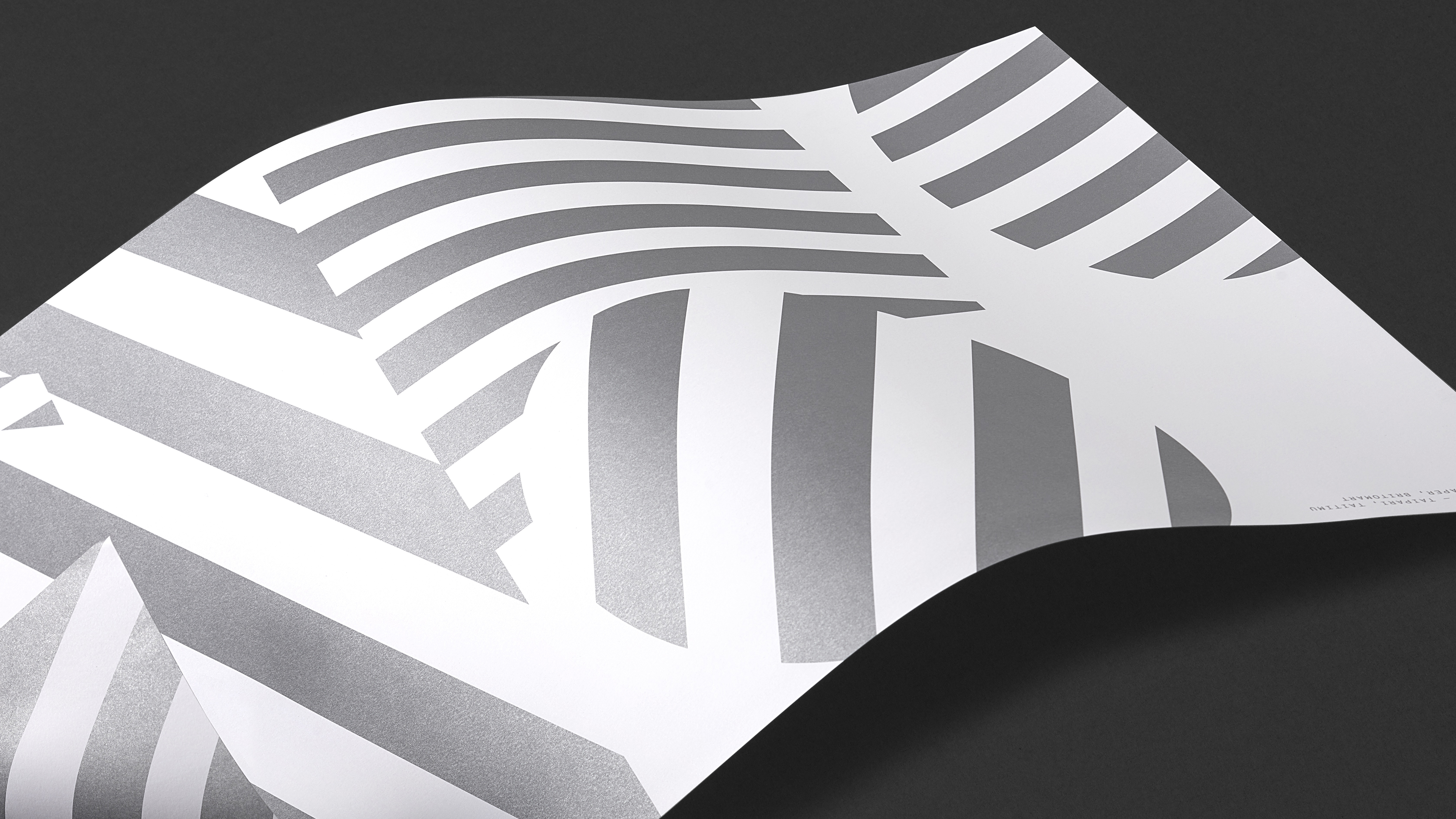
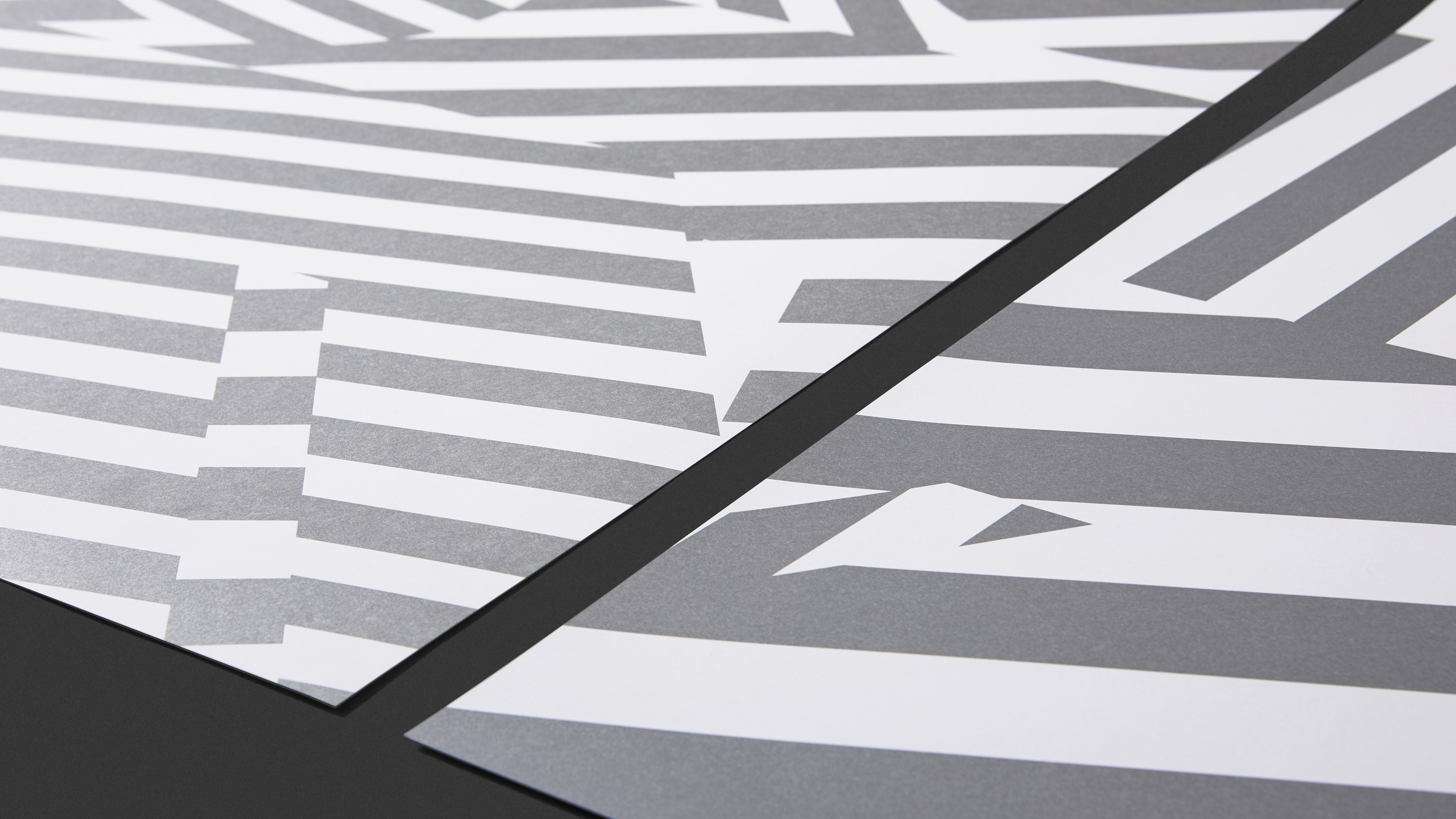
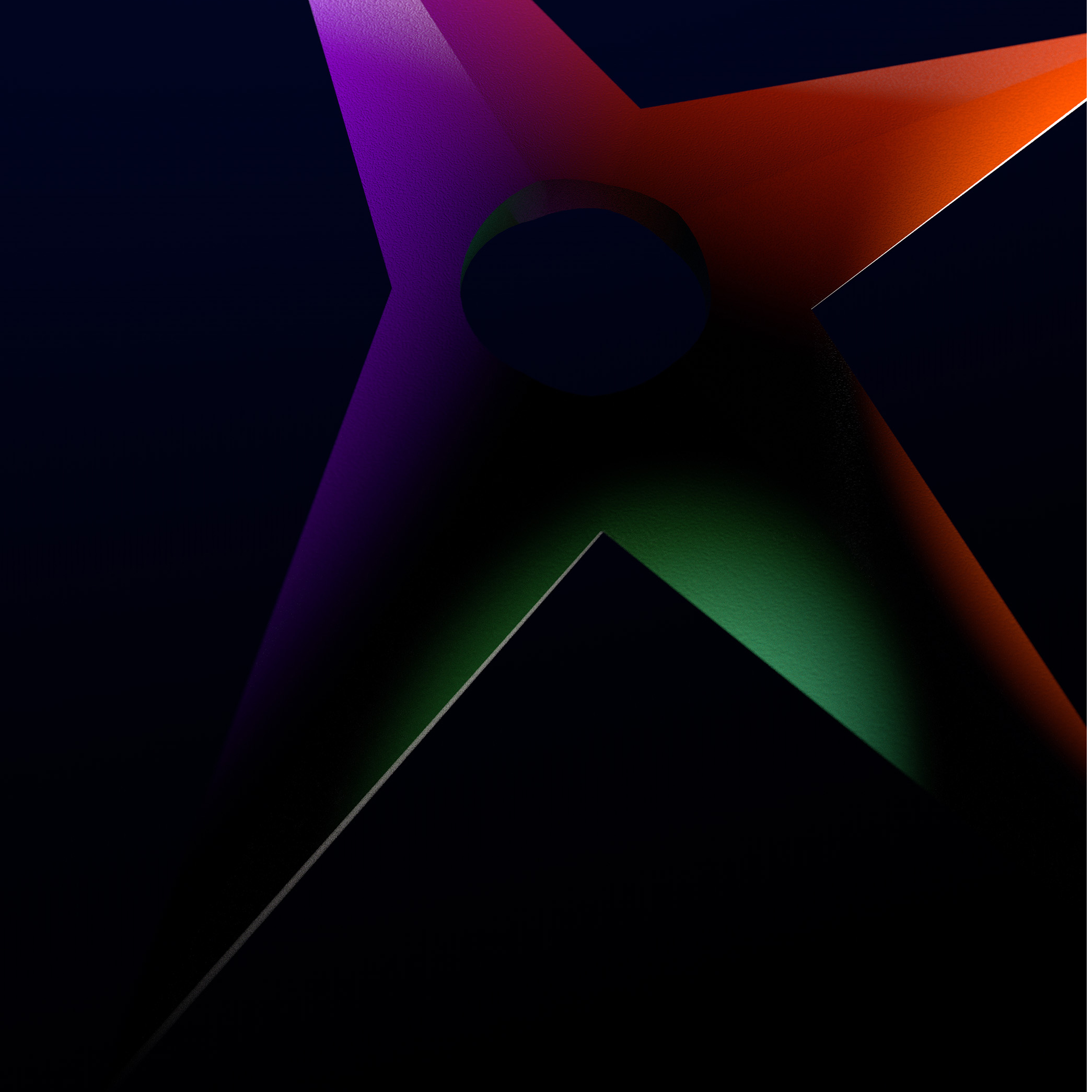
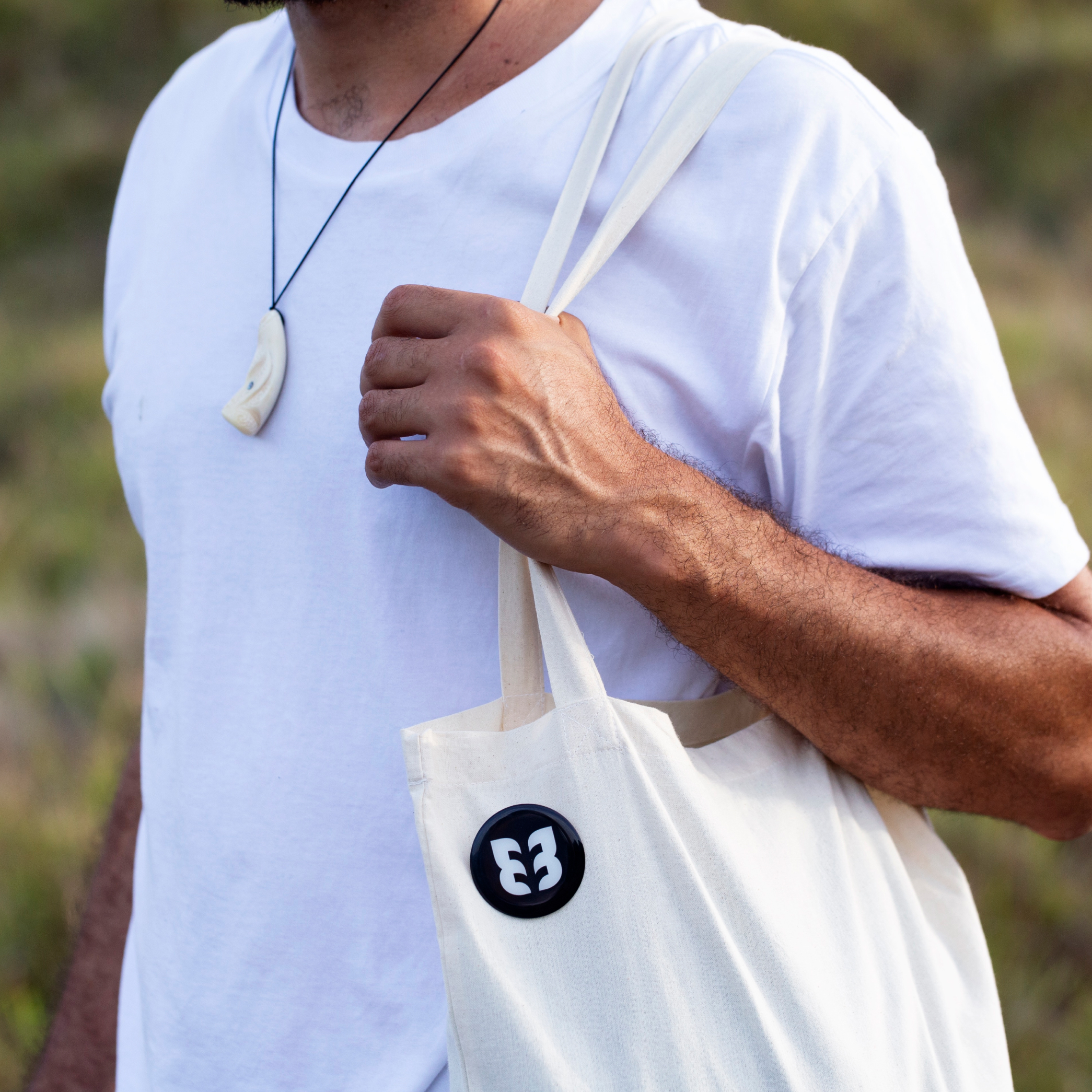
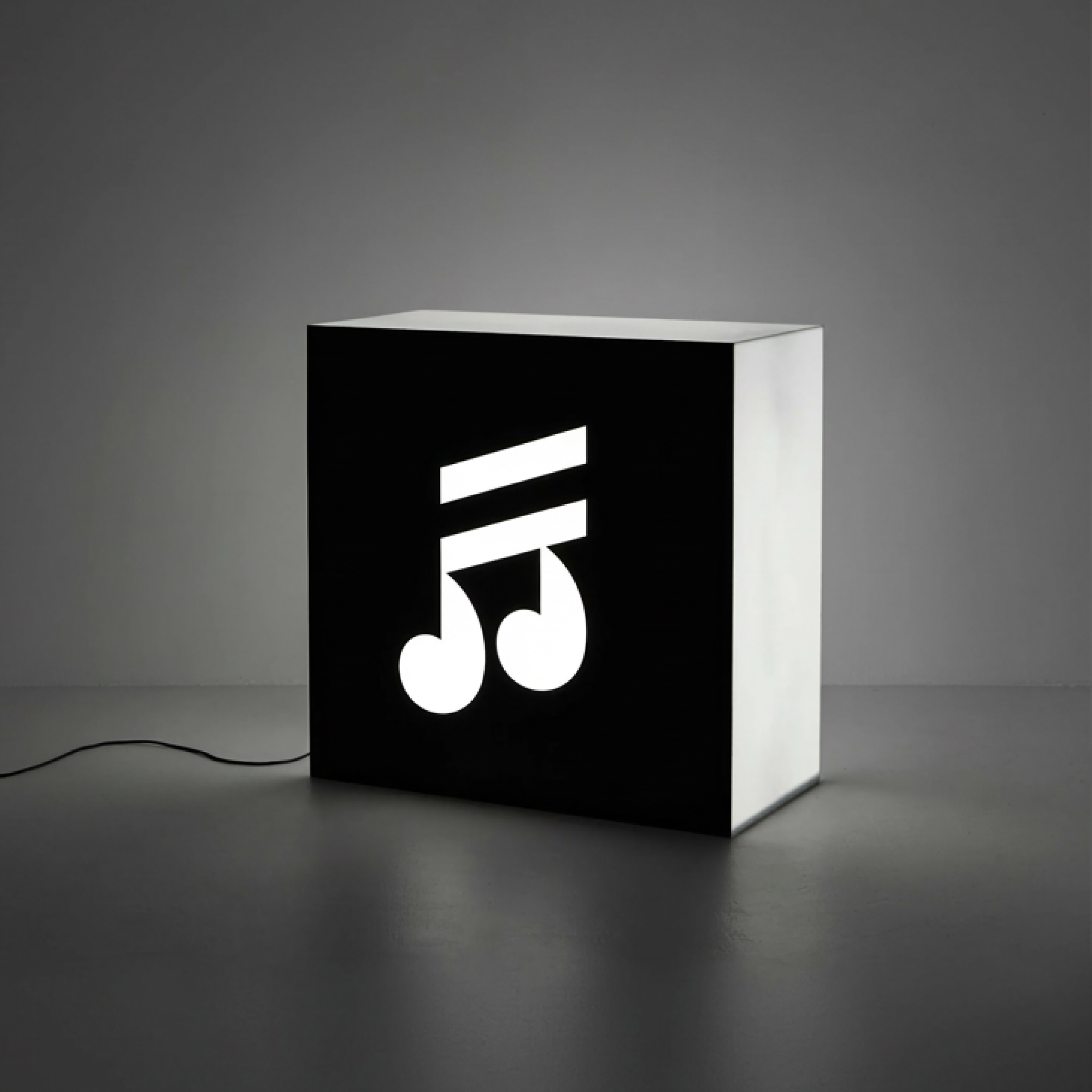
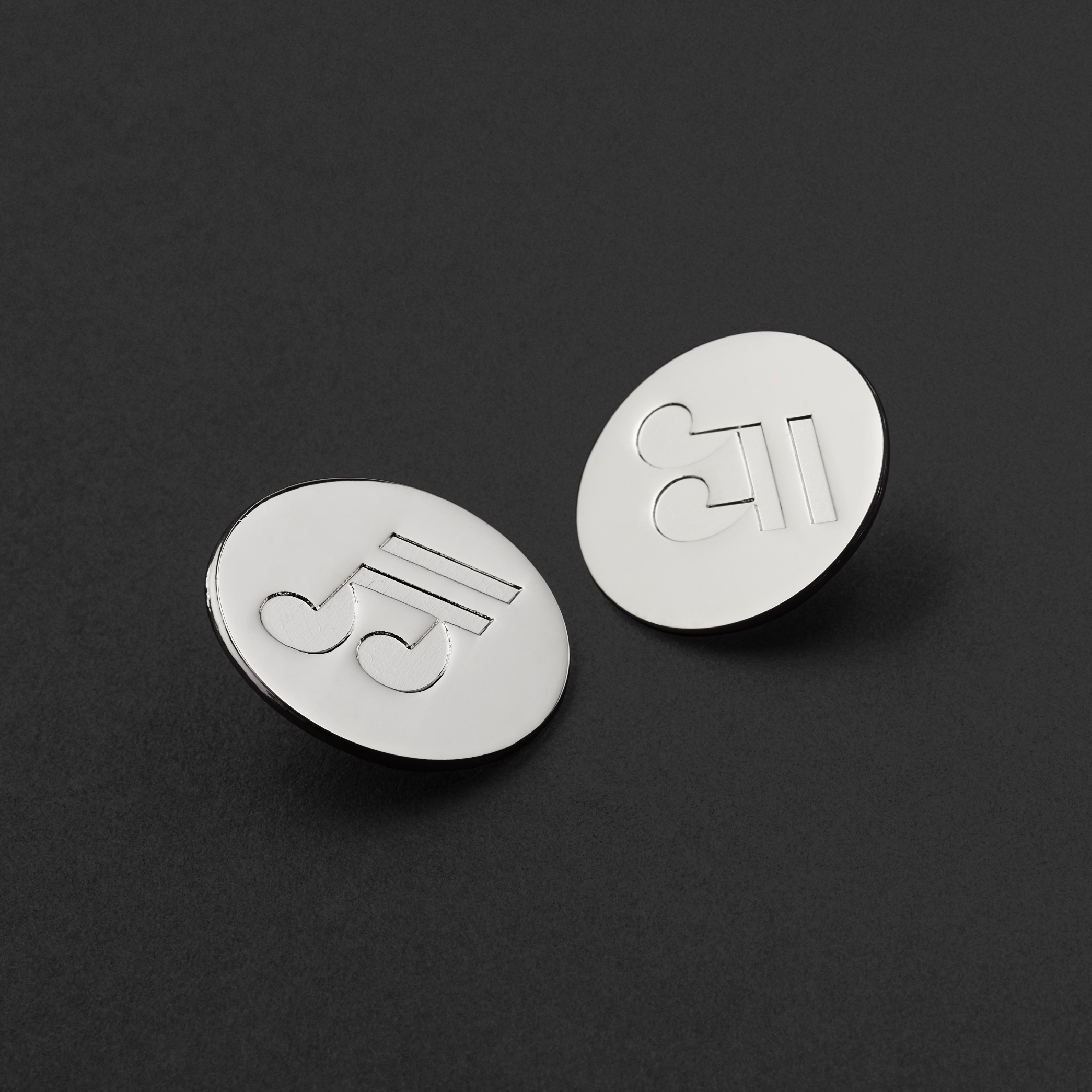
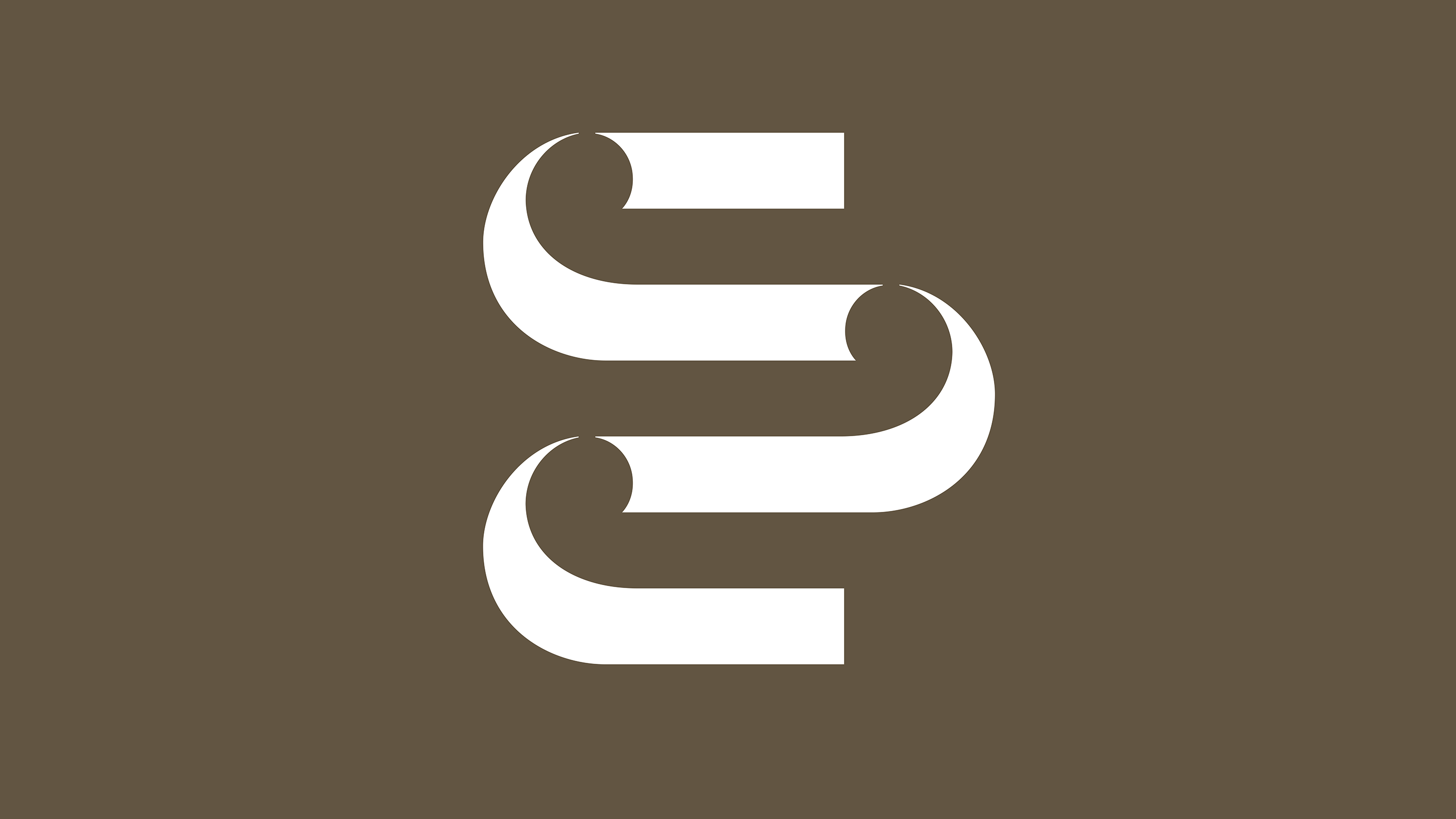
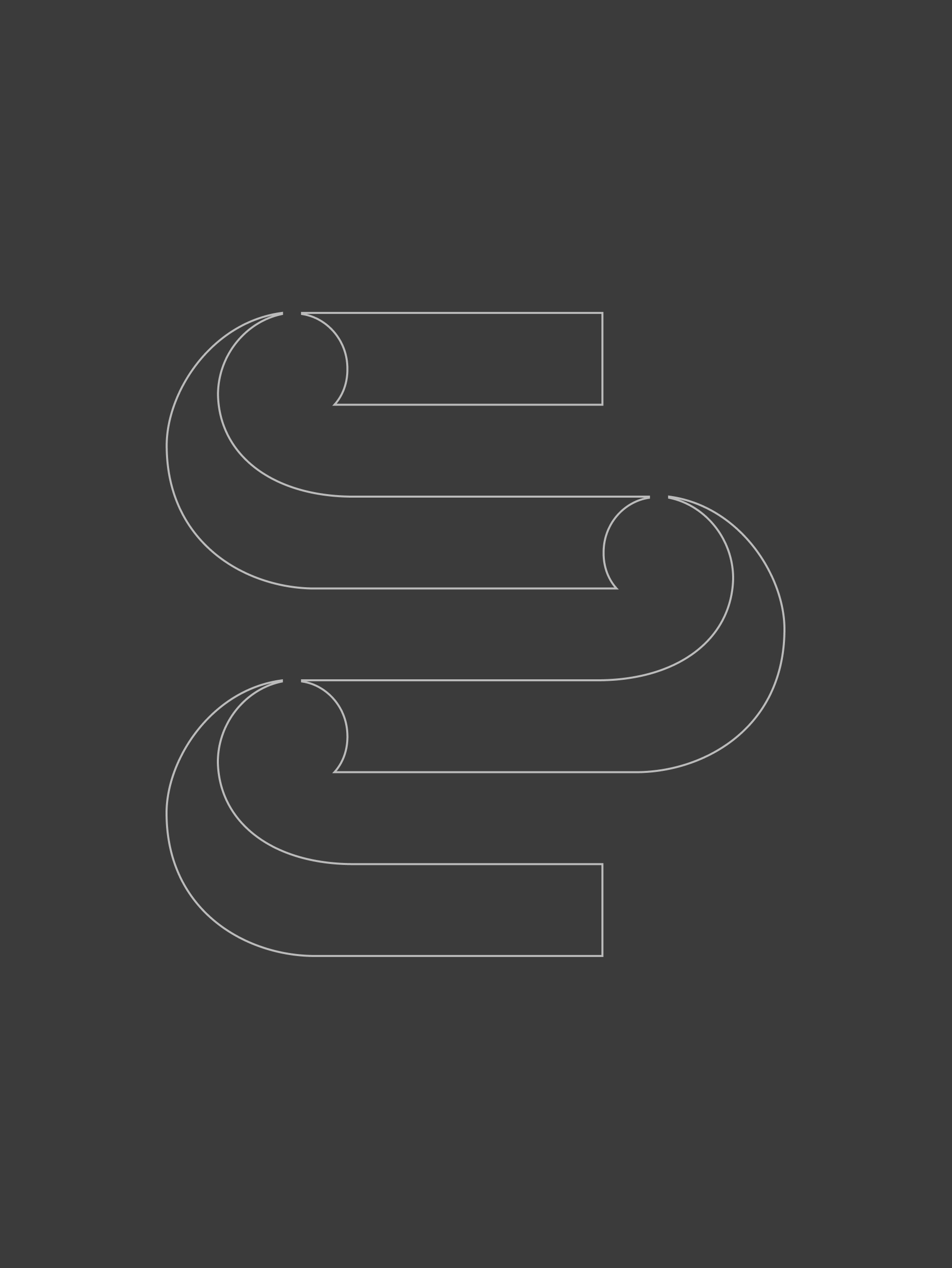
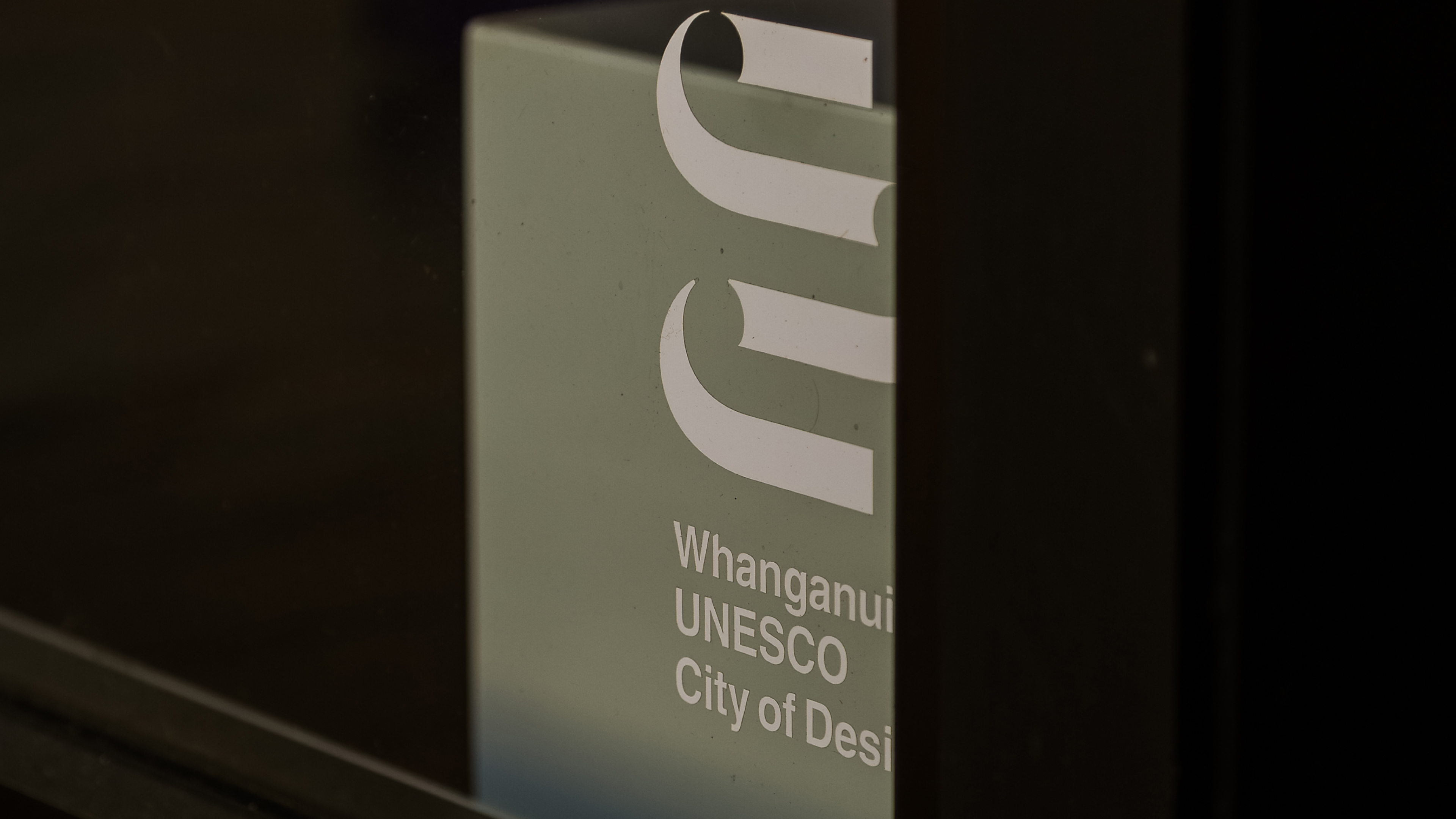
From this idea came a tohu that symbolises design shaped by the awa. The river forms the dynamic, winding body of the mark, expressing the flowing energy of ideation, process and creation. Within the negative spaces, koru appear, representing design, growth, potential, people and culture.
The positive and negative forms interweave, reflecting the relationship between people and the awa. The result is a mark that speaks to movement, continuity and connection, while remaining simple enough to be recognised and used widely.
The tohu is not a claim to one object, style or moment in time. It acknowledges the sum of many parts: the contribution of iwi and hapū, makers, artists, architects, businesses, communities and creative practitioners whose knowledge and work have shaped Whanganui over generations.
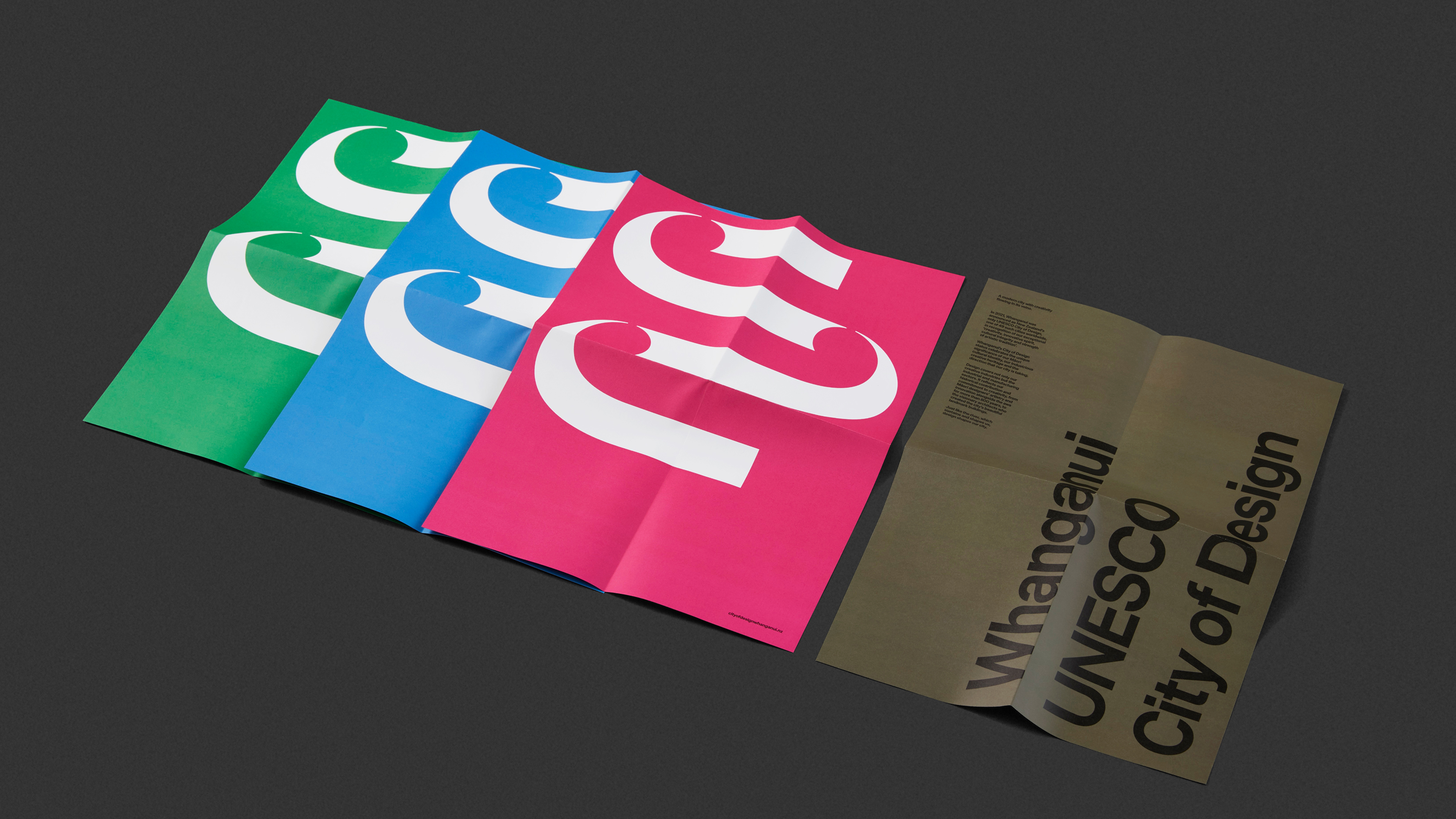
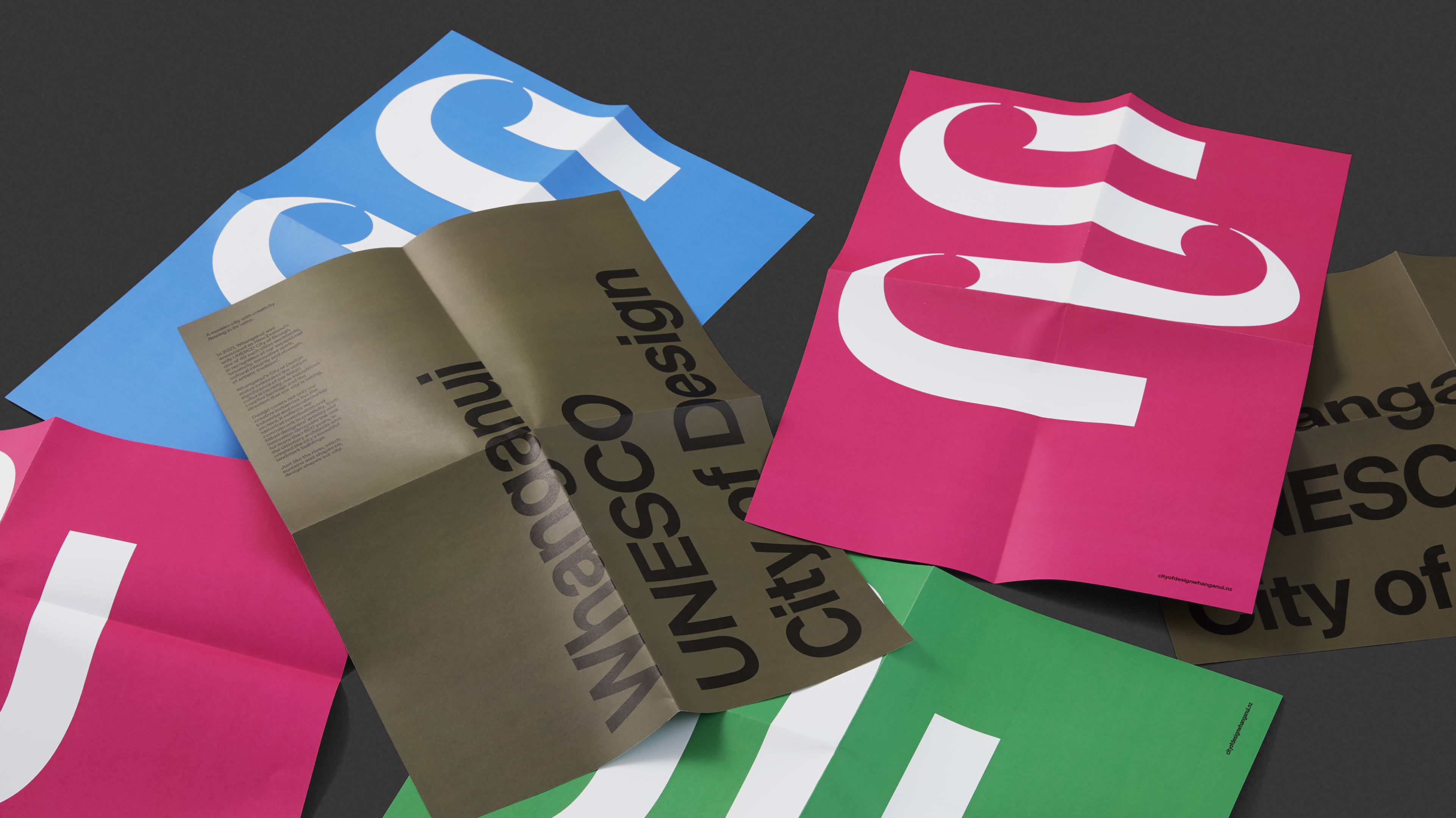
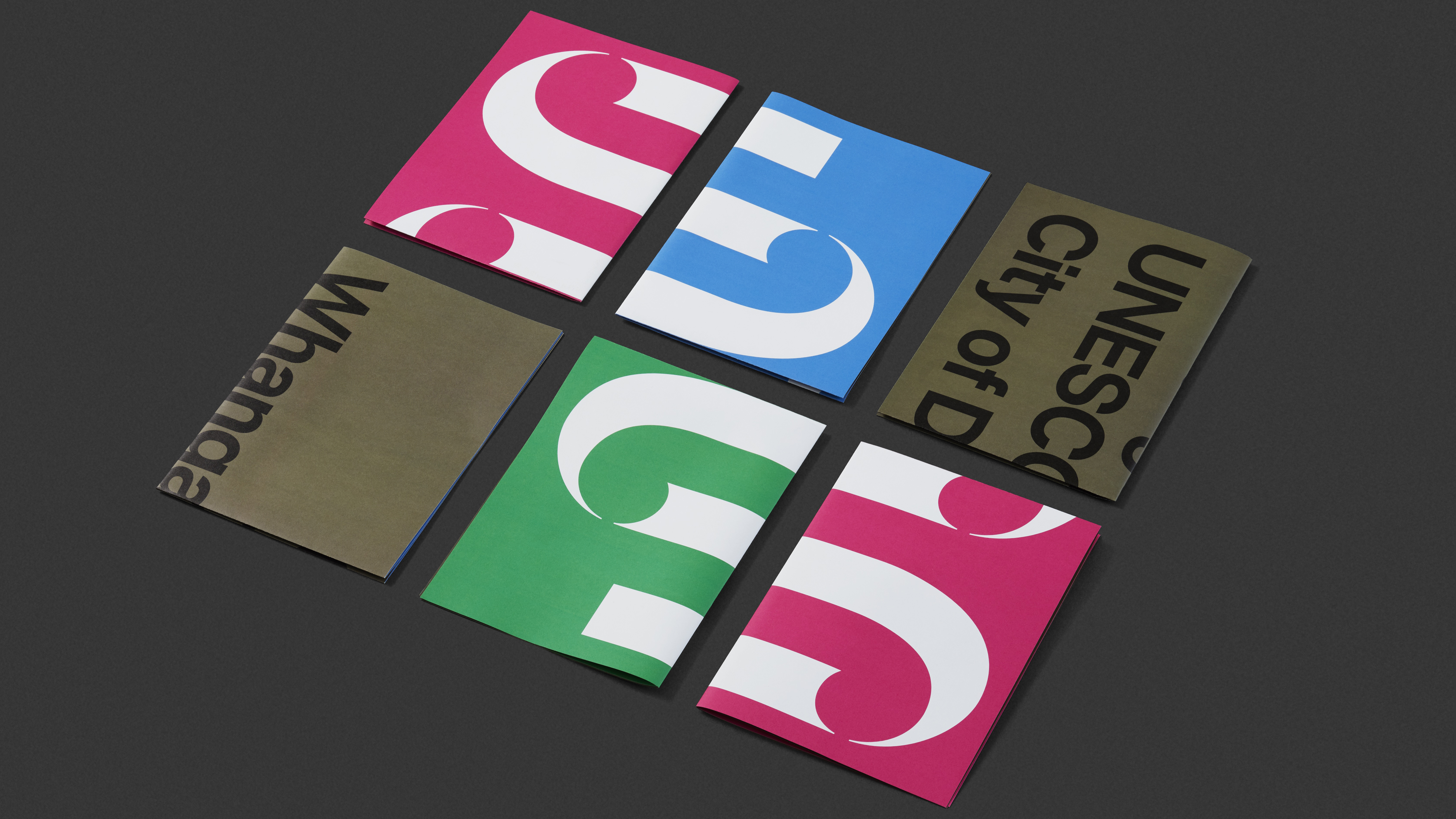
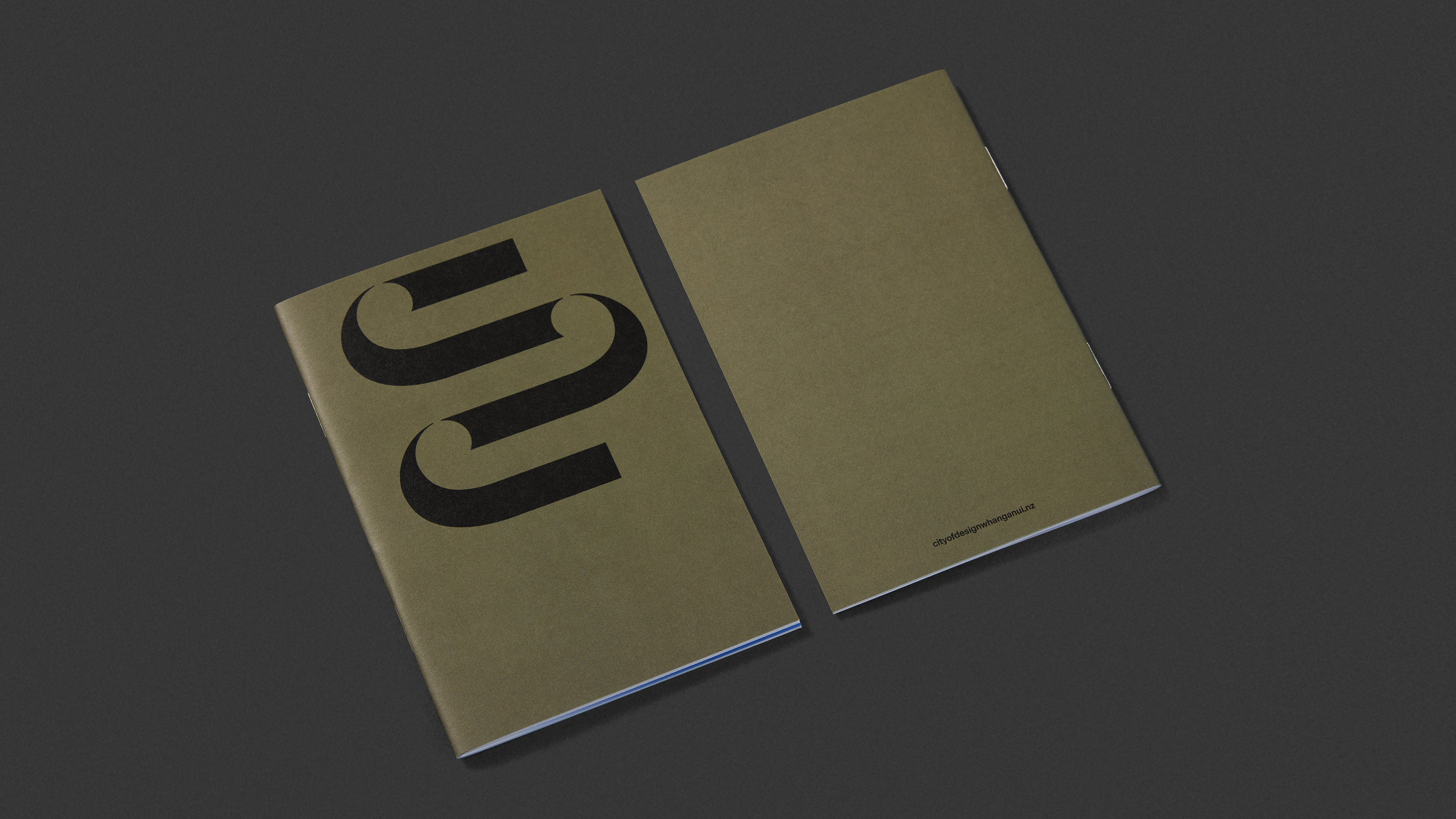
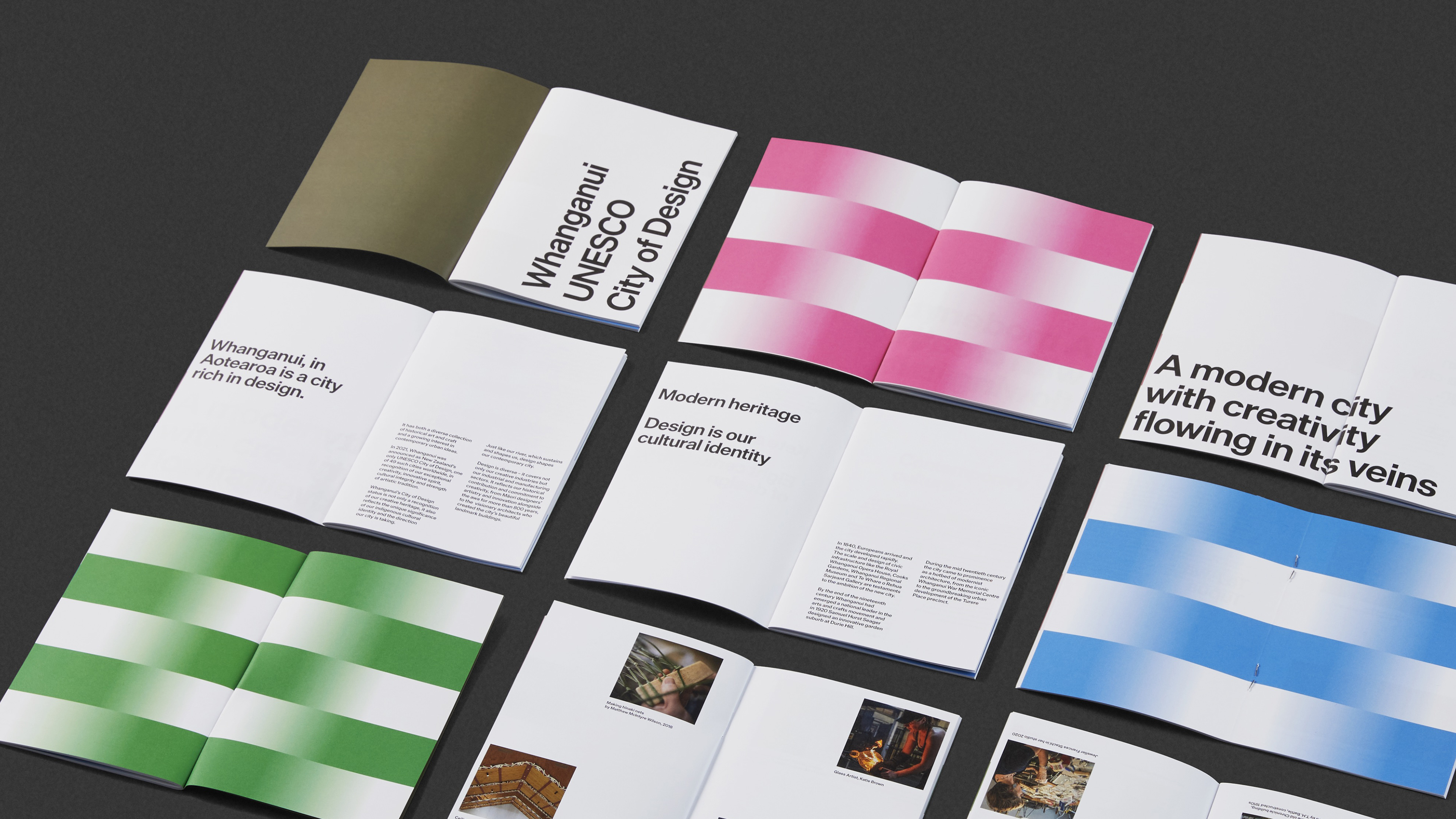
Shaped by the awa, strengthened by many and carried forward together
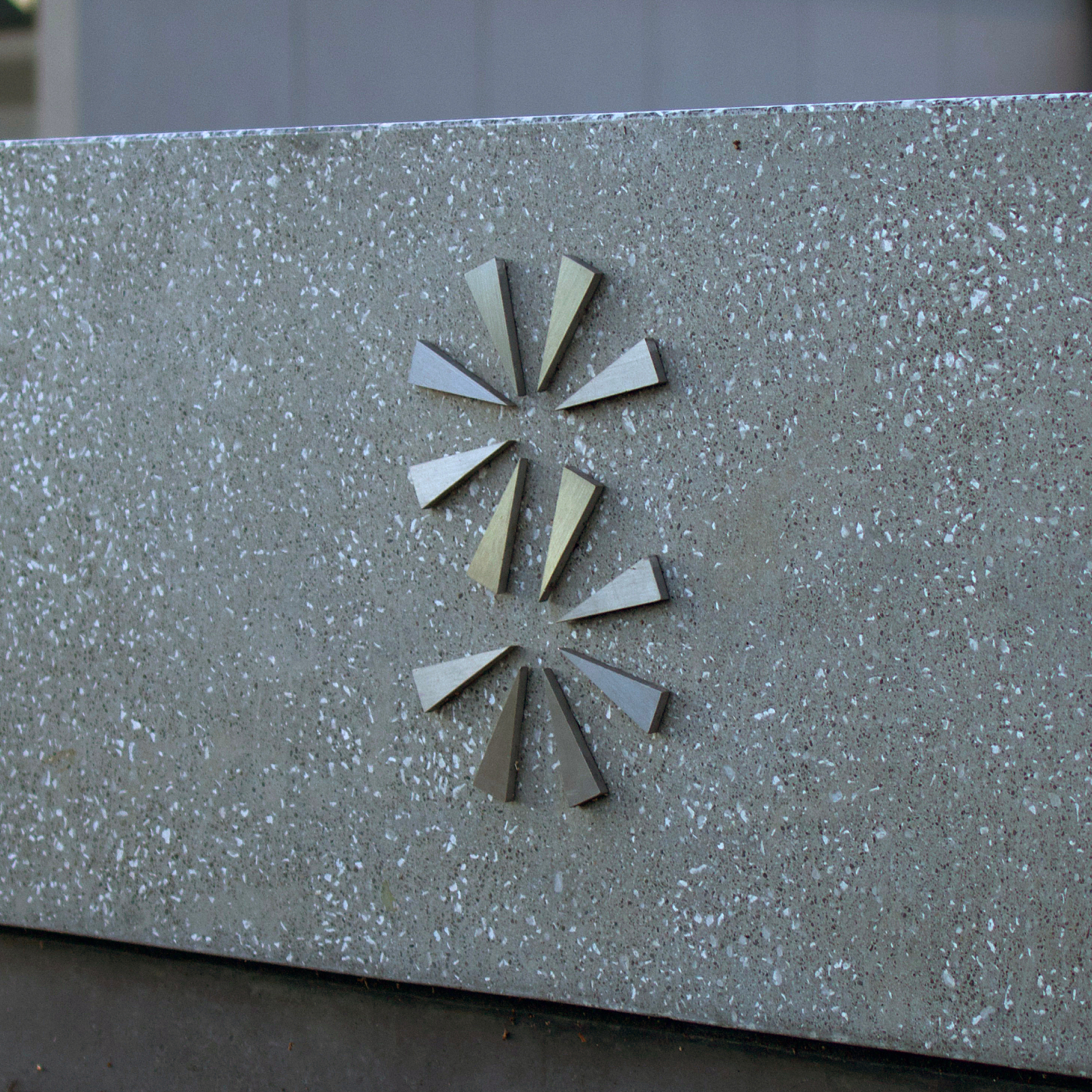
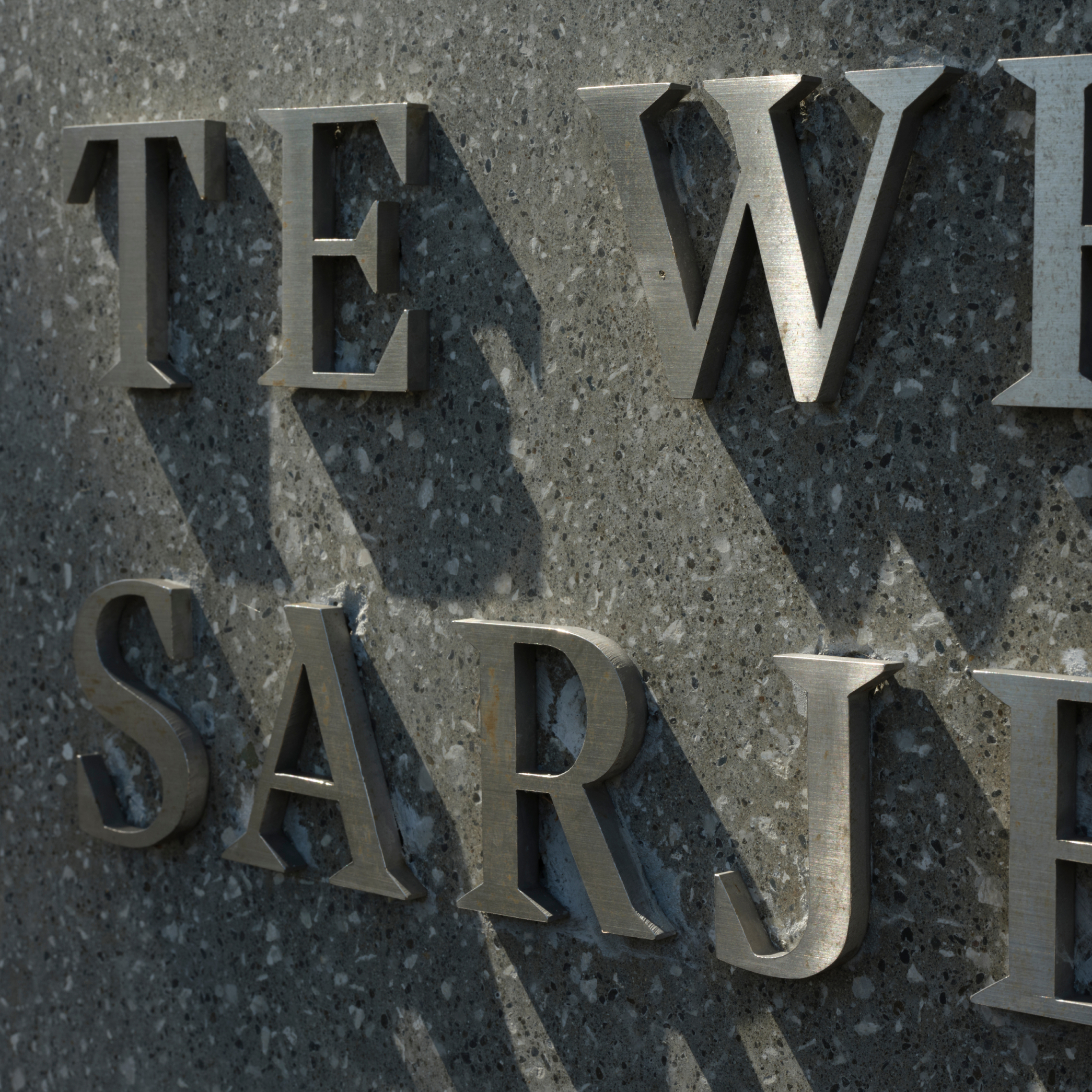
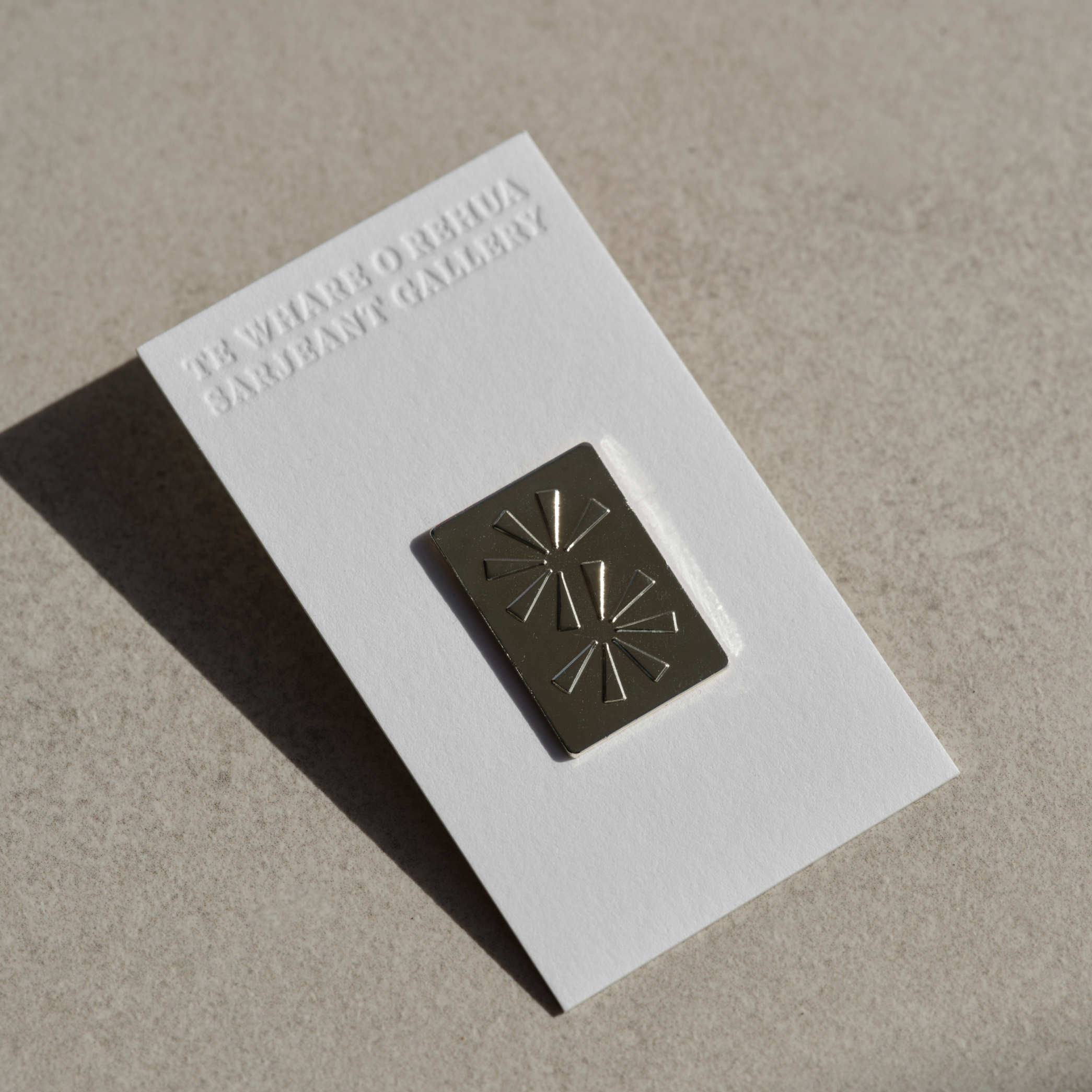
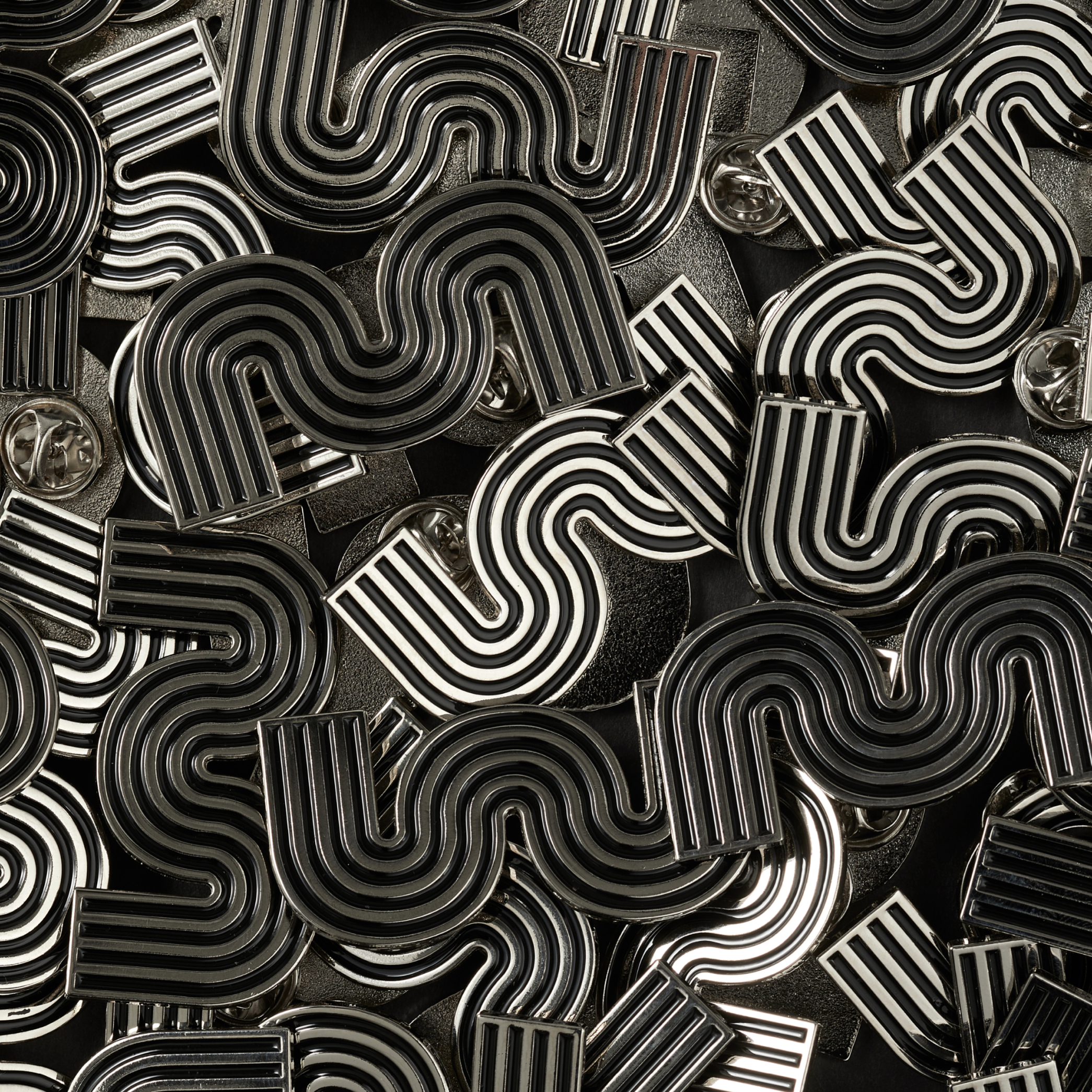
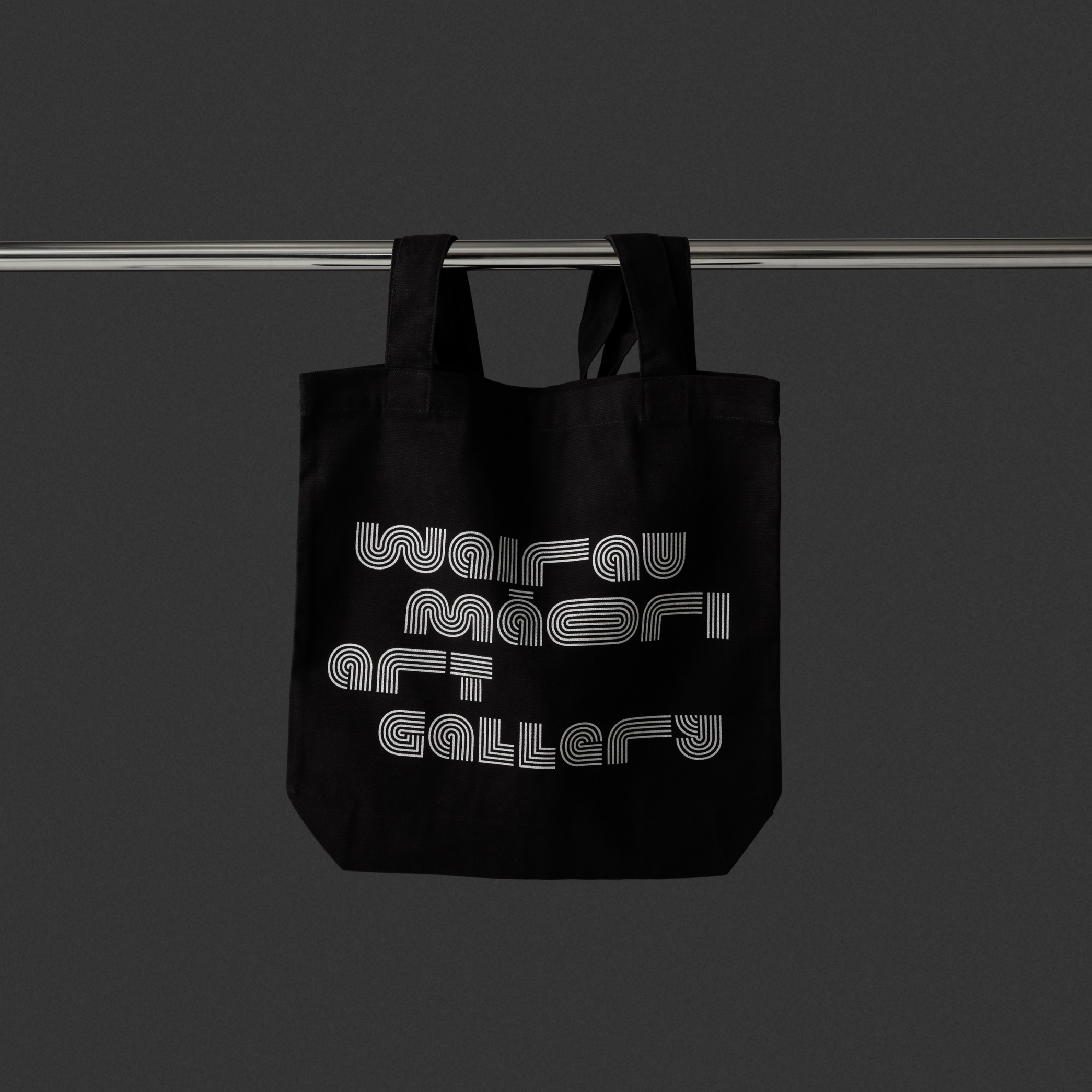
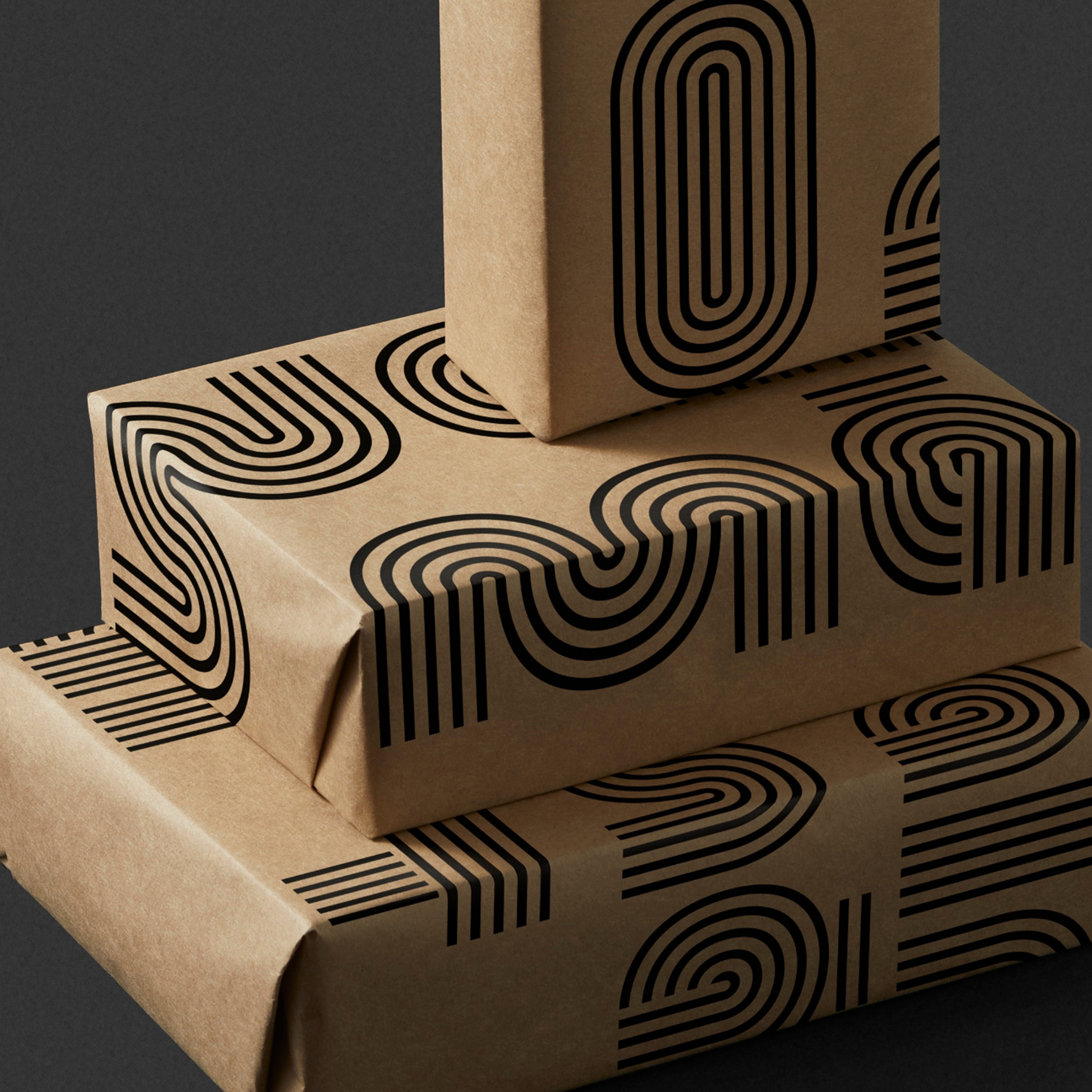
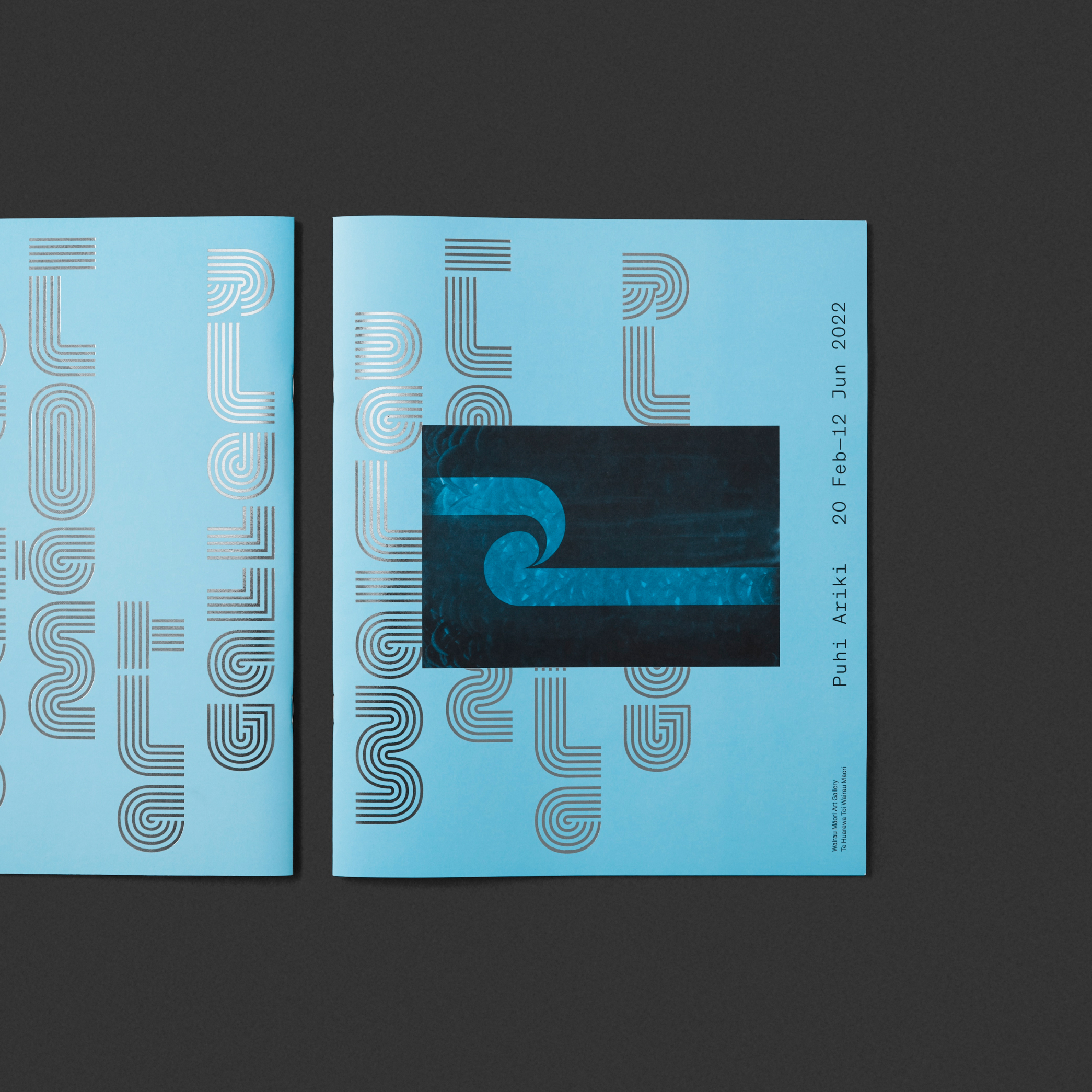
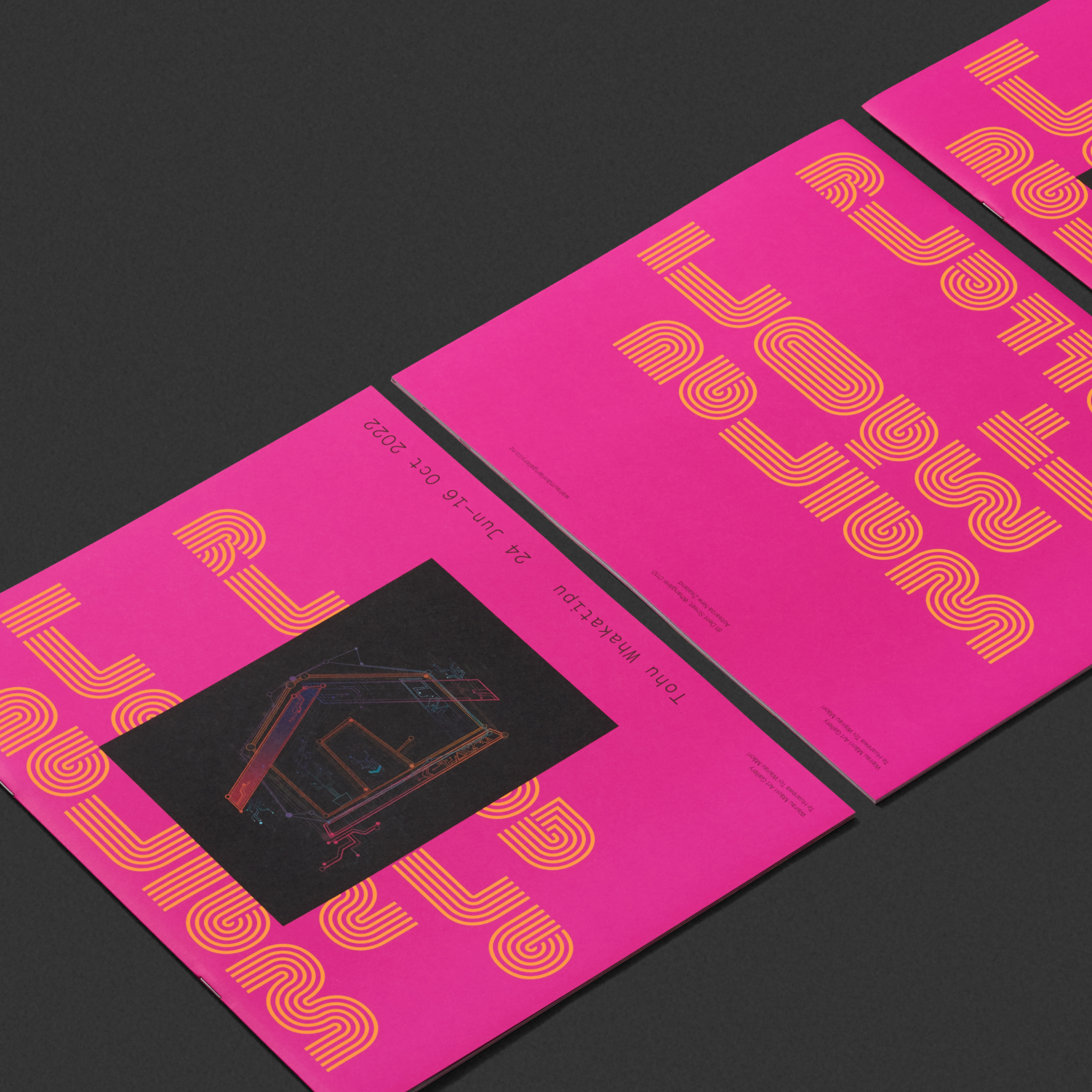
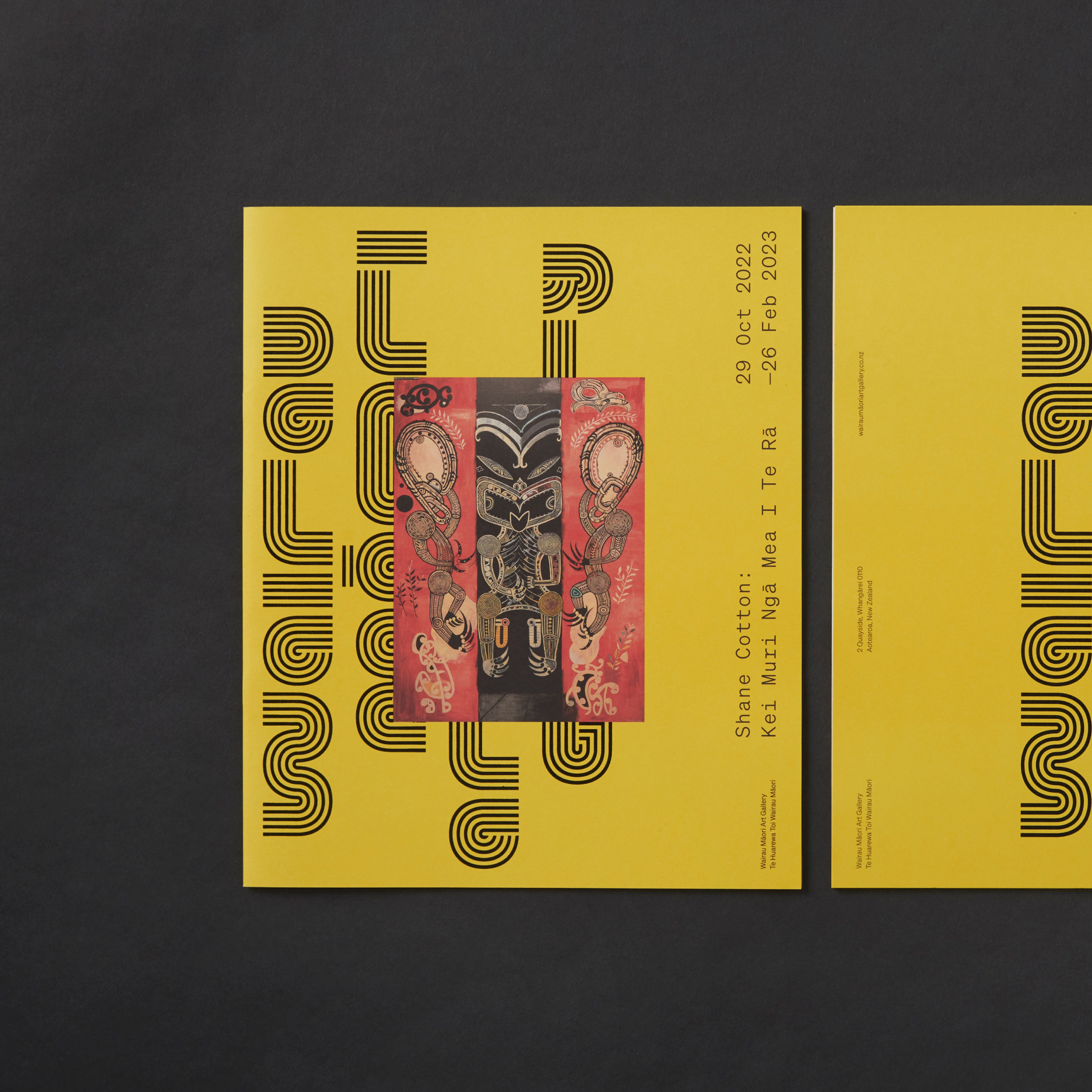
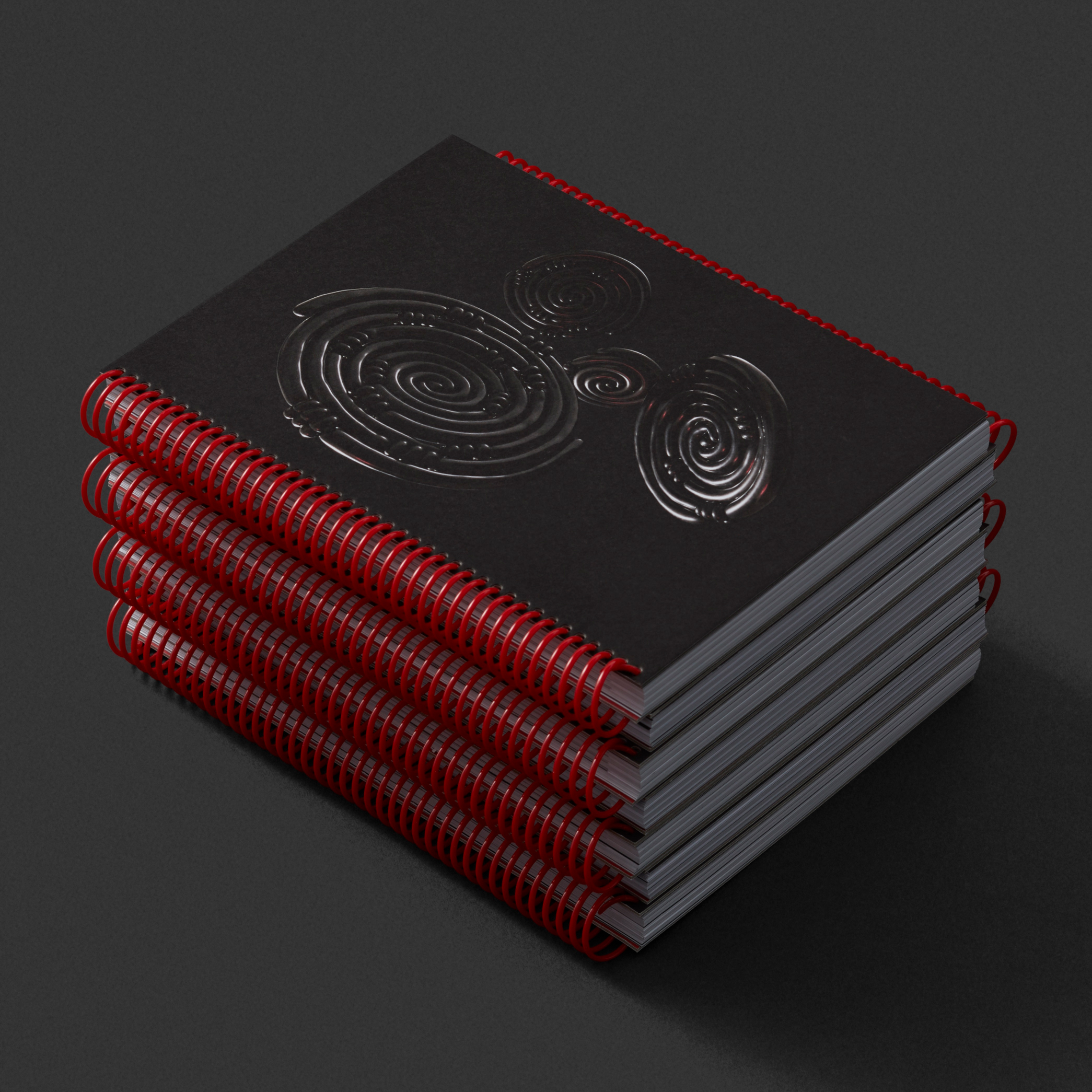
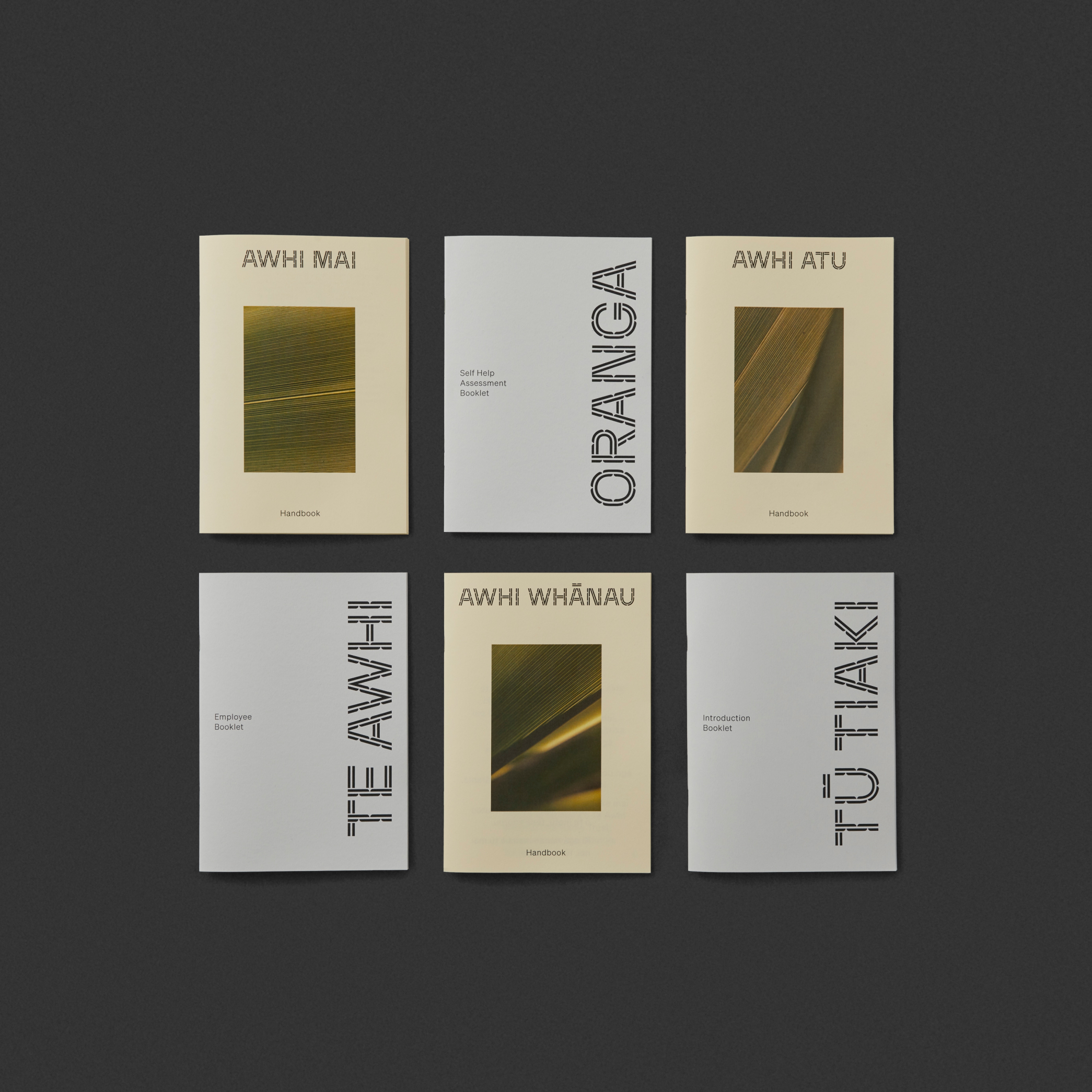
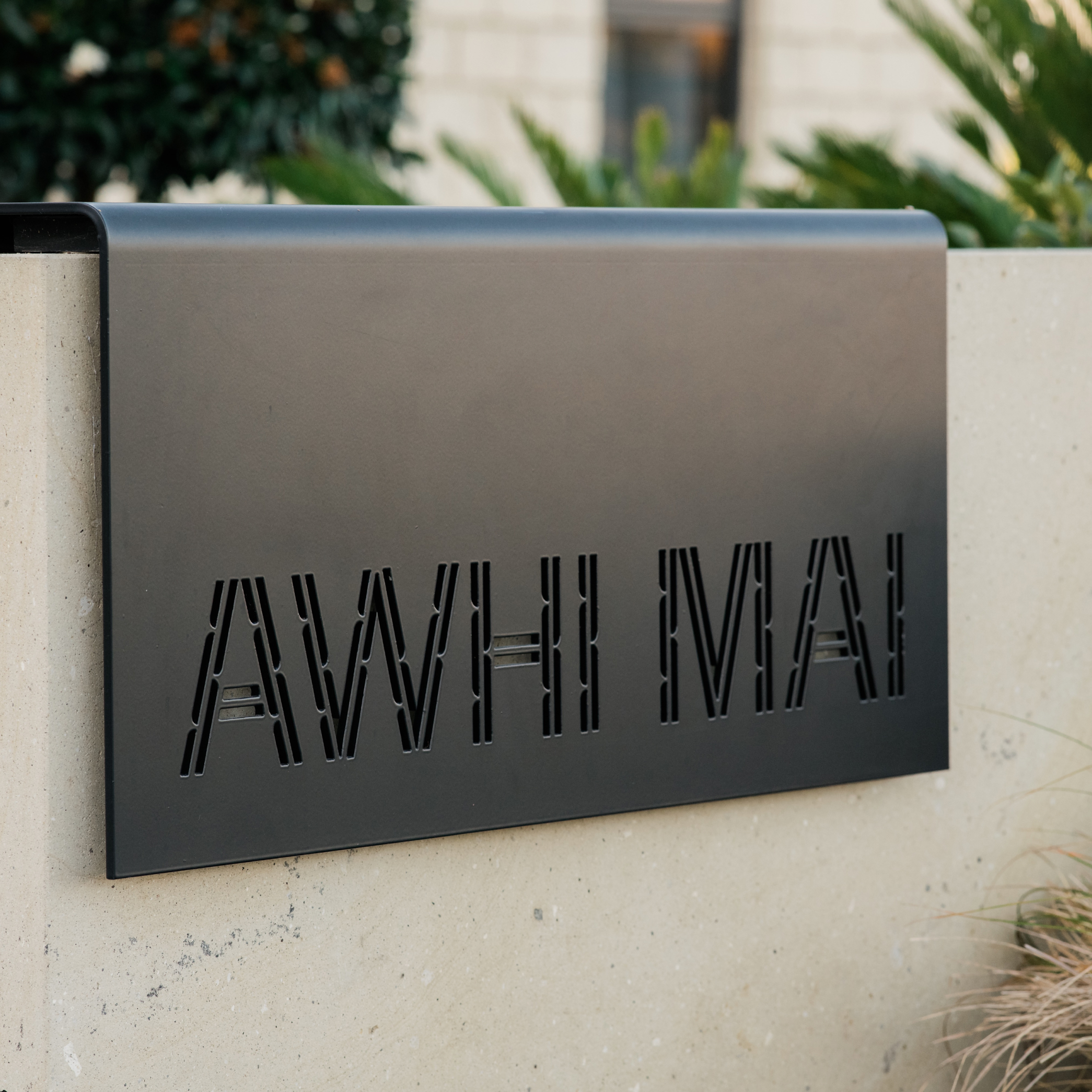
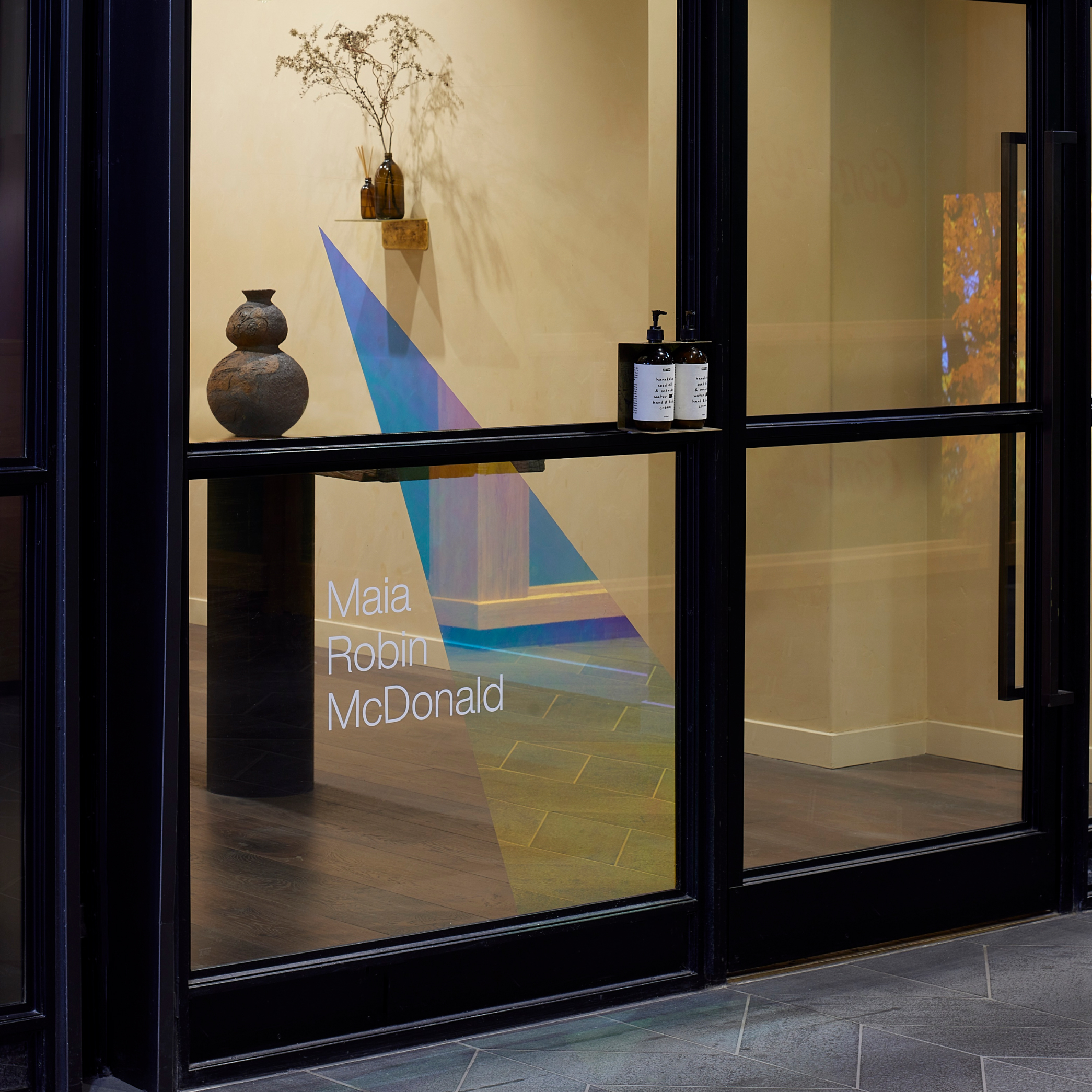
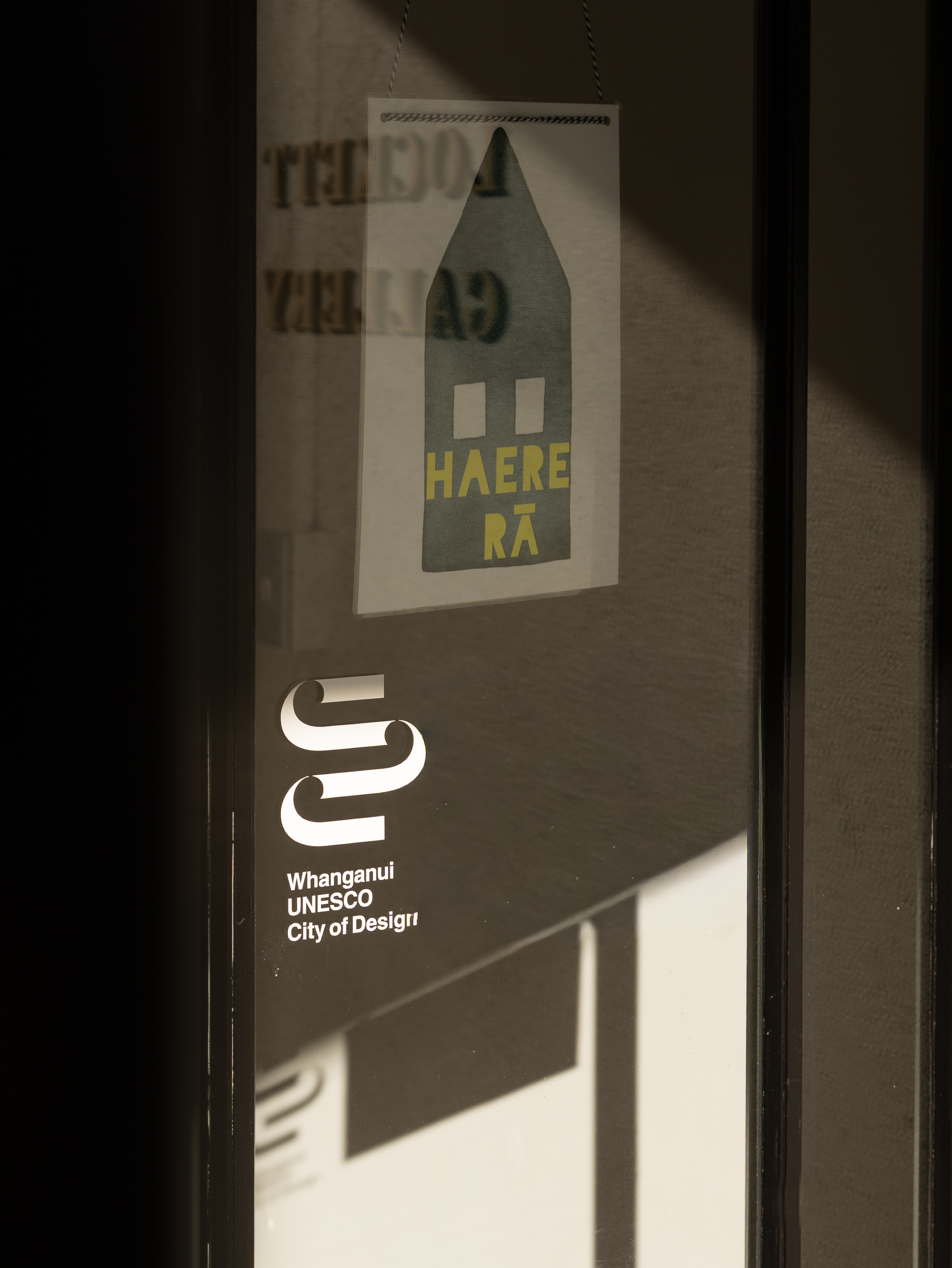
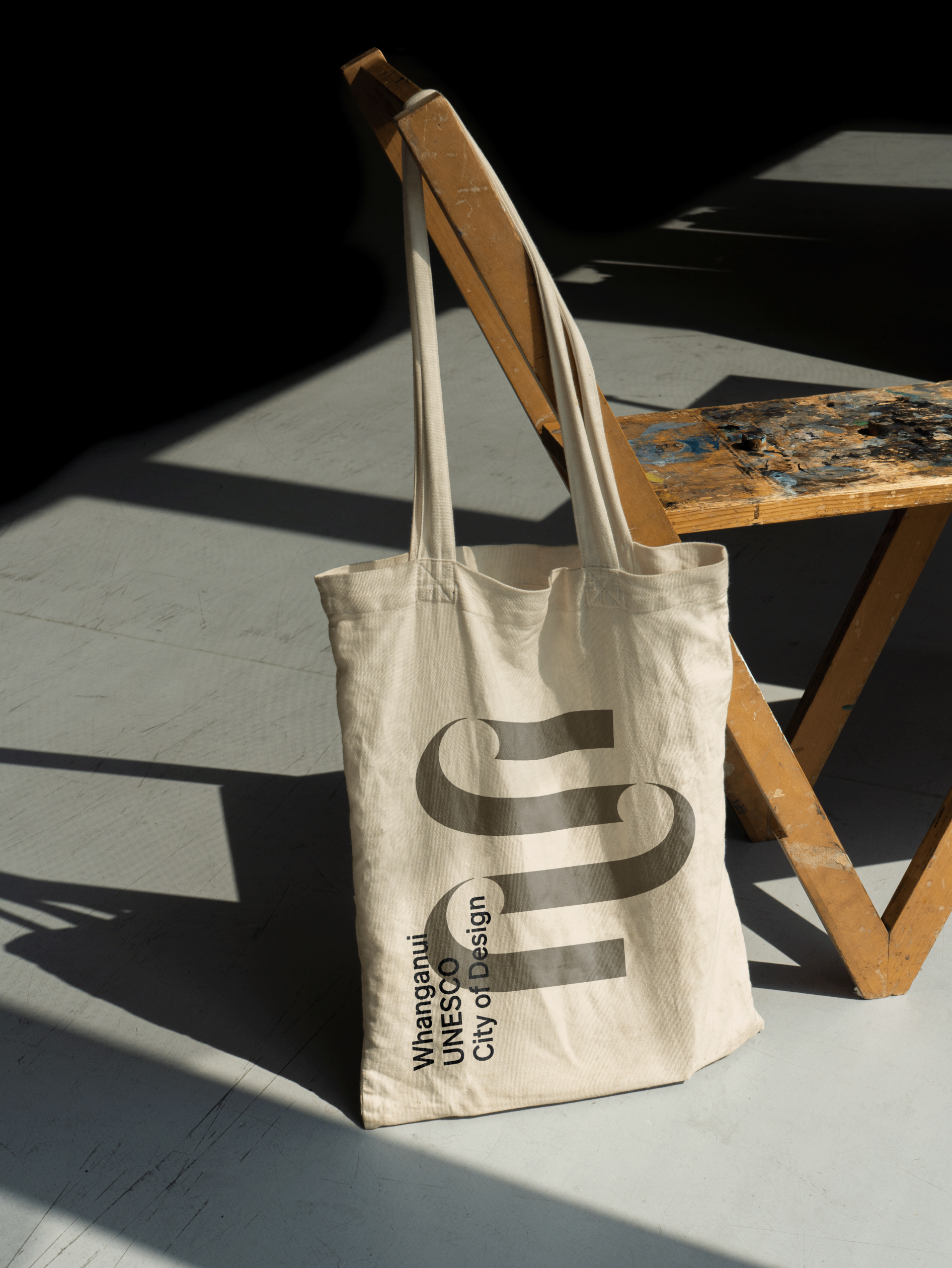
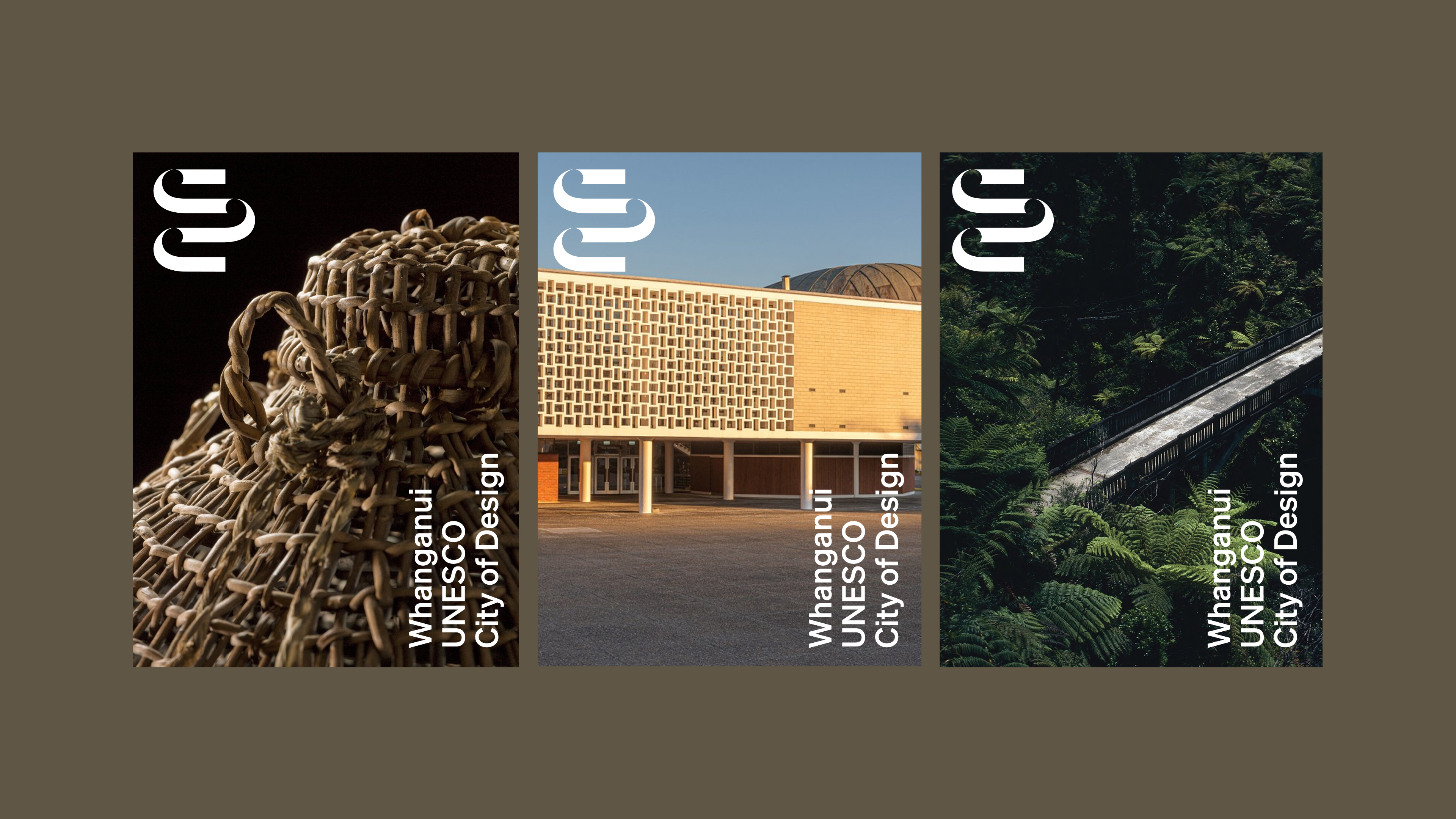
The City of Design identity was conceived to stand the test of time, communicate clearly at home and abroad, and work across digital, print, motion and physical applications. It gives partners a practical way to carry the designation: on products, packaging, websites, events, signage and communications, while remaining part of a much larger Whanganui story.
Its restrained core palette supports that flexibility. Black and white can sit comfortably alongside partner brands, while a signature colour combination creates instant distinction. The system is intentionally economical to apply and open enough to grow as participation grows.
Ultimately, the value of the identity comes through adoption: from mana whenua and local communities to businesses, government, and domestic and international audiences.
A digital home for Whanganui’s design lineage
A designation of this significance deserved more than a conventional destination website. It needed a platform that shares the rich design heritage behind the designation.
Developed in collaboration with Sons & Co, the website tells the story of Whanganui UNESCO City of Design. Visitors can explore the breadth of Whanganui’s creative identity, understand the significance of the designation, and discover the many facets that collectively define this distinctive part of Aotearoa’s design history.